
Long Pepper Sensory Map
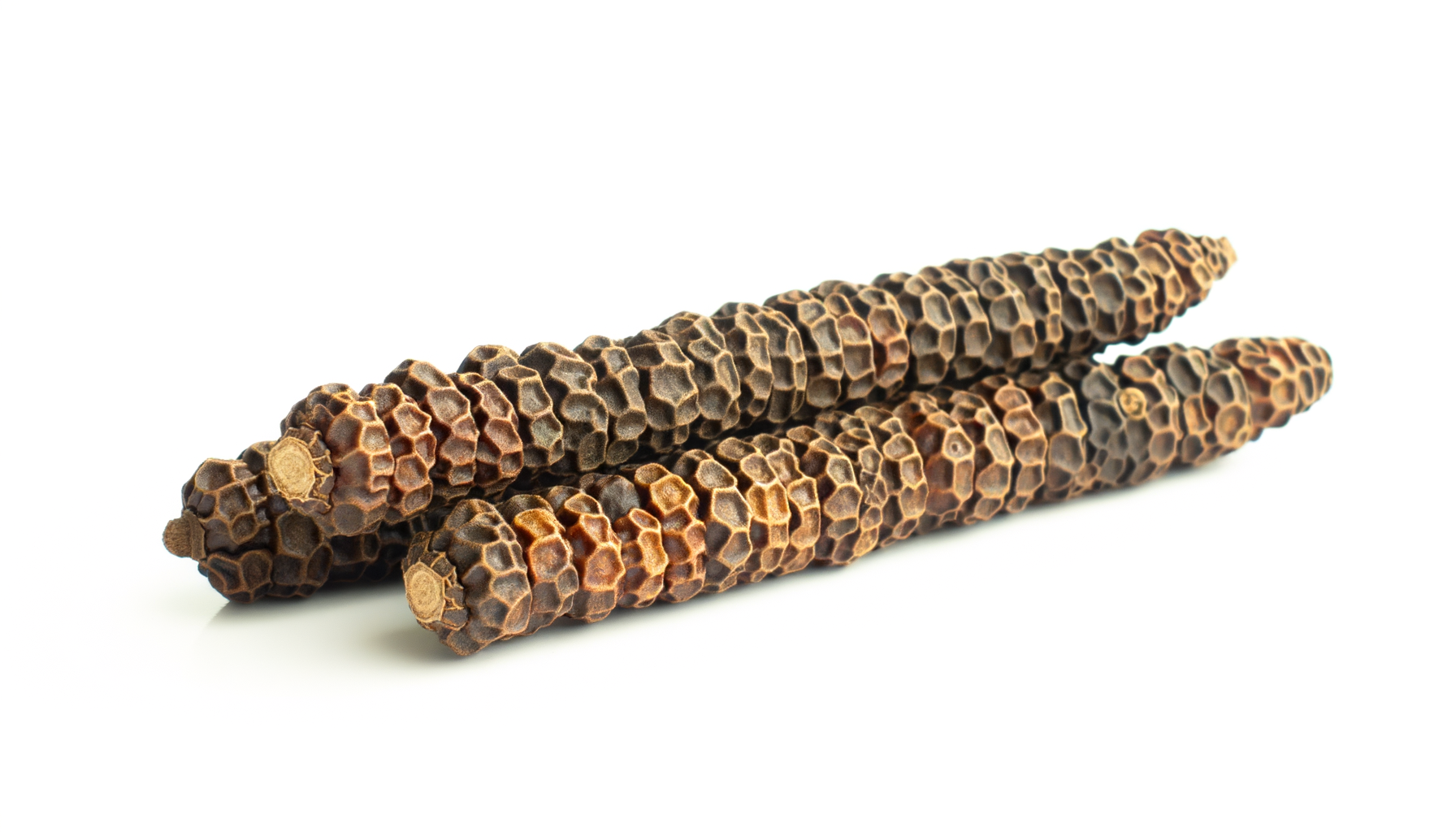
Long Pepper
Piper longum
Sensory Profile
Tastes
Basic flavor profiles
Aromas
Scent characteristics
Stimuli
Sensory sensations
Textures
Physical properties
About Long Pepper
Long pepper offers a complex and nuanced flavor that is both spicy and slightly sweet, with a warm, earthy undertone. Its heat is more intense than that of black pepper, accompanied by a subtle hint of sweetness and a lingering, aromatic finish that can evoke notes of cardamom and cinnamon. Long pepper is a versatile spice that can be used in both savory and sweet dishes. It is commonly ground into a powder for seasoning meats, stews, and curries, particularly in Indian and Southeast Asian cuisines. It pairs well with rich dishes, enhancing flavors in sauces and marinades. In desserts, it can be used to add depth to chocolate or fruit-based recipes. Long pepper is also a key ingredient in some traditional spice blends, such as garam masala. Native to the tropical regions of India and Indonesia, long pepper has been cultivated for centuries. It was highly prized in ancient trade routes and was once considered more valuable than black pepper. Today, it is still grown in various parts of Asia, including India, Indonesia, and parts of Africa. Long pepper is easily recognizable by its elongated, cylindrical shape, which can reach up to 2 inches in length. The spice is harvested from the flowering spikes of the plant and is often sold whole or ground. Its unique flavor and aromatic profile set it apart from more common pepper varieties, making it a staple in fine dining cuisine.
Associated health effects(86)
- Menstrual Support
- Digestive Motility Enhancement
- Bioactive Alkaloid Antiparasitic Activity
- Expectorant
- Appetite Stimulant
- Apoptosis Induction
- Piperine-Related Airway Expectorant Activity
- Anti-arthritic
- Piperlongumine-Mediated Neuroprotection
- Drug Interactions
- Fatty Acid Metabolism Activation
- Airway Inflammation Reduction
- Cardiovascular Protection
- Adipogenesis Suppression
- Antioxidant
- Joint Pain Relief
- Allergic Reactions
- Dose-Dependent Effects
- Piperine-Mediated Bioavailability Enhancement
- Respiratory Relief
- Toxicity and Safety
- Analgesic Activity
- Cancer-Preventive
- Antifungal
- Liver Support
- Aphrodisiac
- Piperine-Mediated Thermogenesis Enhancement
- Cytotoxic Activity Against Cancer Cell Lines
- Blood Sugar Support
- Piperlongumine-Induced Anti-inflammatory Activity
- Piperine-Mediated Antimicrobial Activity
- Giardicidal Activity
- Antidiabetic Activity
- Blood Sugar Regulation
- Digestive Secretory Stimulation
- Digestive Stimulation
- Anthelmintic Activity
- Immune Modulation
- Metabolic Boost
- Digestive Enzyme Stimulation
- ROS-Mediated Cancer Cell Modulation
- Digestive Irritation
- Anti-bloating Activity
- At-Risk Populations
- Hepatoprotection
- Polysaccharide Immune Modulation
- Gastric Irritation
- Dietary Piperine-Related Drug Interaction Risk
- Allergic Reaction Risk
- Respiratory Mucus Clearance
- Piperlongumine-Mediated Antioxidant Activity
- Asthma Relief
- Bone Health
- Antioxidant Immunity Support
- Antidiarrheal Activity
- Metabolism Booster
- Digestive Protection
- Piperine-Mediated Bioactive Absorption Enhancement
- Bronchial Mucus Clearance
- Piperlongumine Anti-inflammatory Activity
- Piperine-Mediated Digestive Stimulation
- Weight Management
- Anti-aging Activity
- Piperlongumine-Mediated Immunomodulatory Activity
- MAO Inhibition
- Antibacterial
- Bleeding Risk
- Respiratory Mucus Reduction
- Enhanced Nutrient Absorption
- Neuroprotection
- Bronchodilation
- Gastrointestinal Distress
- Dietary Piperine-Related Drug Bioavailability Enhancement
- Hypoglycemia
- Lipid Peroxidation Reduction
- Dietary Piperine-Related Nutrient Bioavailability Enhancement
- Digestive Aid
- Piperlongumine-Mediated Anticancer Potential
- Respiratory Support
- Gastrointestinal Irritation
- Anticancer Potential
- Anti-inflammatory
- Carminative
- Thermogenic Activity
- BDNF Elevation
- Piperlongumine-Mediated Cancer Cell Suppression
Nutrition per 100 g(4)
- Energy: 335 kcal
- Protein: 10 g
- Fat: 3.3 g
- Fiber: 26 g