
Longkong Sensory Map
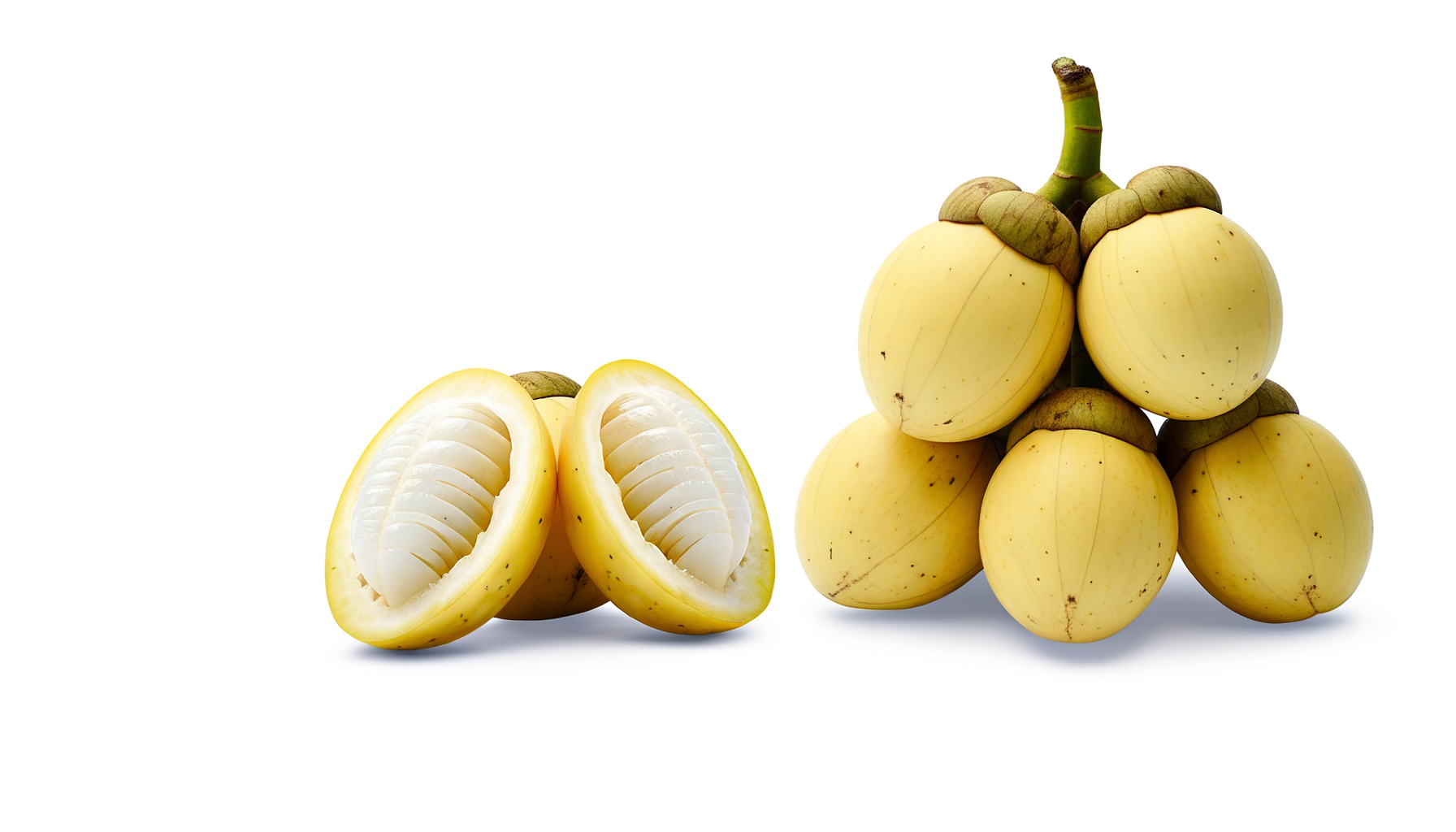
Longkong
Lansium domesticum
Sensory Profile
Tastes
Basic flavor profiles
Aromas
Scent characteristics
Stimuli
Sensory sensations
Textures
Physical properties
About Longkong
Longkong, also known as langsat, offers a unique and complex flavor that balances sweetness with a subtle tartness. The flesh is juicy and tender, reminiscent of a cross between a lychee and a grape, with floral undertones and a hint of bitterness in the skin. The fruit's flavor can vary slightly depending on ripeness, with fully ripe longkong exhibiting a more pronounced sweetness. Longkong is primarily enjoyed fresh, often served as a refreshing snack or dessert. It can be added to fruit salads, smoothies, or used as a garnish for cocktails. In Southeast Asian cuisine, longkong is sometimes incorporated into savory dishes, adding a sweet contrast to spicy or tangy flavors. It can also be used in jams, jellies, and desserts, or fermented to create beverages. Native to the tropical regions of Southeast Asia, longkong thrives in countries such as Malaysia, Indonesia, and Thailand. It grows on tall trees that can reach up to 30 meters in height, and the fruit typically matures in clusters, making it a visually striking addition to local markets. Longkong is characterized by its smooth, pale yellow to brown skin, which is easily peeled to reveal the translucent, juicy segments inside. The fruit is often confused with its close relative, langsat (Lansium domesticum), but longkong is generally sweeter.
Associated health effects(73)
- Vitamin C Source
- Traditional Topical and Bath Applications
- Blood Pressure Support
- Blood Sugar Spikes
- Micronutrient Density
- Collagen Synthesis Enhancement
- Vitamin C Content Support
- Plant Sterol-Mediated Cholesterol Regulation
- Flatulence and Bloating
- Cardiovascular Protection
- Antioxidant
- Allergic Reactions
- Cardiovascular Health
- Dose-Dependent Effects
- Carbohydrate Content
- Gastrointestinal Upset
- Blood Pressure Reduction
- Vitamin Content Support
- General nutrient support
- Culinary Sweetener Glycemic Impact
- Nutritional Advantages
- Wound Healing
- Liver Toxicity
- Fluid balance and hydration support
- Cytotoxic Activity Against Cancer Cell Lines
- Low Fat Content
- Blood Sugar Support
- Low Caloric Density
- Antidiabetic Activity
- Peel Toxicity
- Blood Sugar Regulation
- Polyphenol Skin Health Support
- Immune Booster
- Xanthone-Mediated Cytotoxic Activity
- Immune Modulation
- High Sugar Content
- Electrolyte Replenishment
- Antipyretic Activity
- No Evidence of Toxicity, Heavy Metals, or Contaminants
- At-Risk Populations
- Mineral Content
- Dietary Fiber
- Skin Health
- Allergic Reaction Risk
- Rapid Energy Provision
- Ferulic Acid Cardiovascular Support
- Bone Health
- Gastrointestinal Discomfort
- Antioxidant Polyphenol Provision
- Anemia Prevention
- Plant Alkaloid-Linked Antiparasitic Activity
- Potassium Content Support
- Antiscorbutic Activity
- Traditional Antidiarrheal Activity
- Antidiarrheal Activity
- Weight Management
- Tannin-Mediated Antidiarrheal Activity
- Lamesticumin A Antimicrobial Activity
- Digestive Upset
- Hydration Support
- Potassium
- Fiber Content
- Glycemic Impact
- Immune Function
- Neuroprotection
- Digestive Prebiotic Support
- Nutritive Support
- Heart Health
- Neutral Effects
- Digestive Aid
- Digestive Health
- Anticancer Potential
- Anti-inflammatory
Nutrition per 100 g(4)
- Energy: 112 kcal
- Protein: 0.8 g
- Fat: 0.3 g
- Fiber: 1.5 g