
Lotus Root Sensory Map
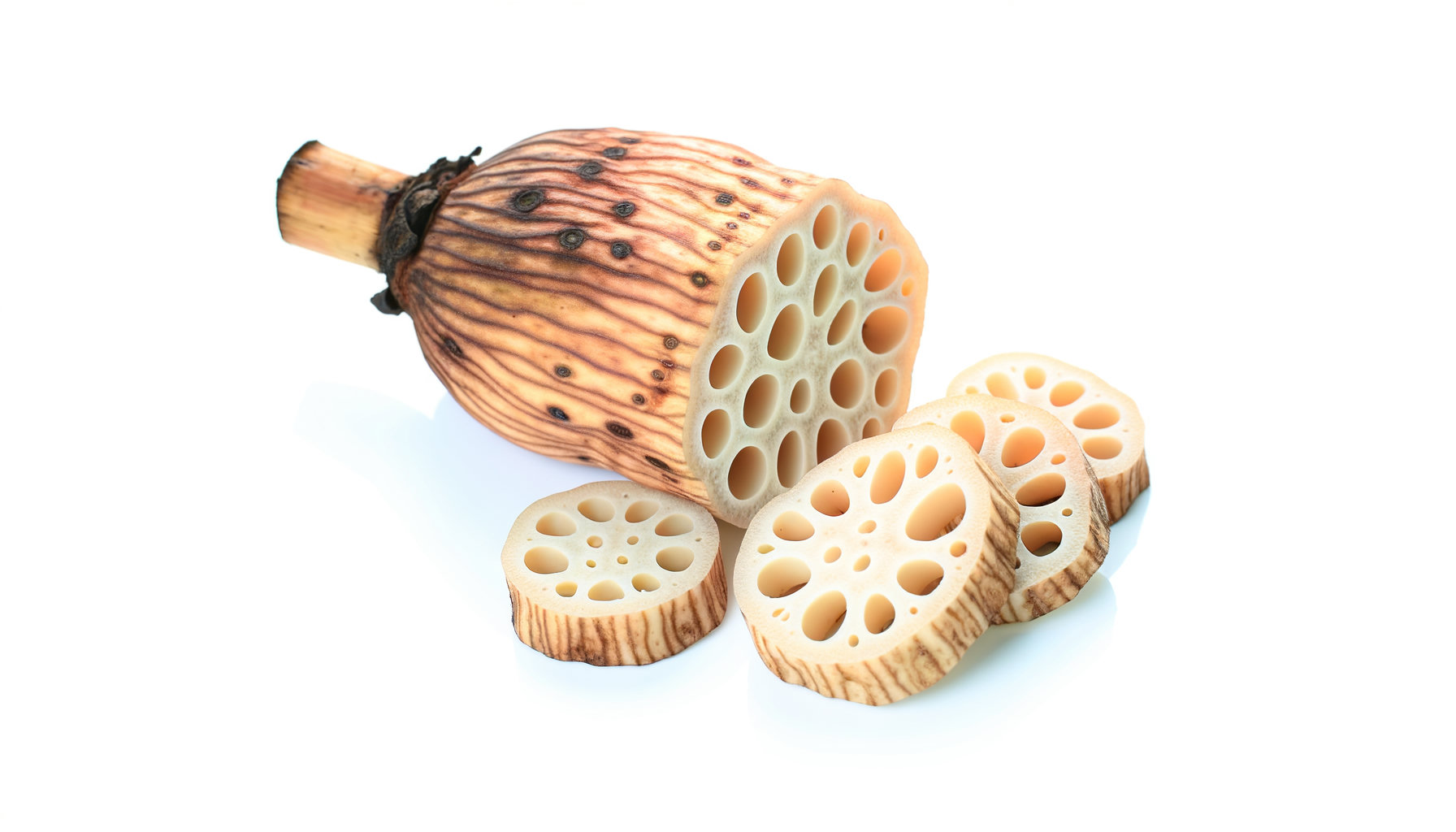
Lotus Root
Nelumbo nucifera
Sensory Profile
Tastes
Basic flavor profiles
Aromas
Scent characteristics
Stimuli
Sensory sensations
Textures
Physical properties
About Lotus Root
Lotus Root (Nelumbo nucifera) is a striking aquatic vegetable celebrated for its crisp texture and subtle, sweet flavor, reminiscent of a mild, earthy combination of jicama and water chestnut. When sliced, its cross-section reveals a series of unique, symmetrical holes that not only enhance its visual appeal but also contribute to its crunchy mouthfeel, making it an excellent textural contrast in dishes. The aroma is fresh and slightly nutty, with a hint of earthiness that becomes more pronounced when cooked, particularly in stir-fries or soups. In culinary applications, lotus root shines in iconic dishes such as *Lotus Root Stir-Fry* and *Suan Ni Bai He* (a traditional Chinese dish featuring lotus root and garlic). In stir-fries, the root's ability to maintain its structure under high heat makes it a perfect candidate for quick cooking methods, allowing it to absorb flavors while retaining its satisfying crunch. In *Suan Ni Bai He*, the lotus root's natural sweetness balances the pungency of garlic, creating a harmonious flavor profile that is both refreshing and complex. Originating from East Asia, particularly in countries like China, Japan, and India, lotus root holds significant cultural importance, often symbolizing purity and enlightenment in various traditions. Traditionally harvested from muddy waters, the roots are carefully dug out, washed, and prepared for culinary use, often pickled or braised to enhance their flavor and texture. What distinguishes lotus root is its unique composition; it is rich in dietary fiber, vitamin C, and various antioxidants, making it not only a culinary delight but also a nutritious addition to any dish. Its ability to absorb flavors while maintaining a firm texture is attributed to its high starch content, which allows it to act as a natural thickener in soups and stews. When cooked, the starches gelatinize, creating a pleasing mouthfeel that enhances the overall dining experience.
Associated health effects(33)
- Satiety Enhancement
- Fermentation-Enhanced Anti-inflammatory Activity
- Micronutrient Density
- Vitamin C Content Support
- Proteolytic Enzyme-Mediated Respiratory Support
- Antioxidant
- Cardiovascular Health
- Blood Pressure Reduction
- Liver Support
- Appetite Reduction via Fiber-Induced Satiety
- Proteolytic Enzyme-Mediated Mucosal Protection
- Blood Sugar Regulation
- Proteolytic Digestive Enzyme Activity
- Anti-steatotic Activity
- Iron Content Support
- Polysaccharide Immune Modulation
- Dietary Fiber
- Skin Health
- Cholesterol Management
- Anemia Prevention
- Antioxidant Immunity Support
- Antiscorbutic Activity
- Digestive Protection
- Weight Management
- Adiponectin Elevation
- B Vitamin Nervous System Support
- Potassium
- Fiber Content
- Immune Function
- Bronchodilation
- Digestive Health
- Anticancer Potential
- Anti-inflammatory
Nutrition per 100 g(4)
- Energy: 74 kcal
- Protein: 2.6 g
- Fat: 0.1 g
- Fiber: 4.9 g