
Lovage Sensory Map
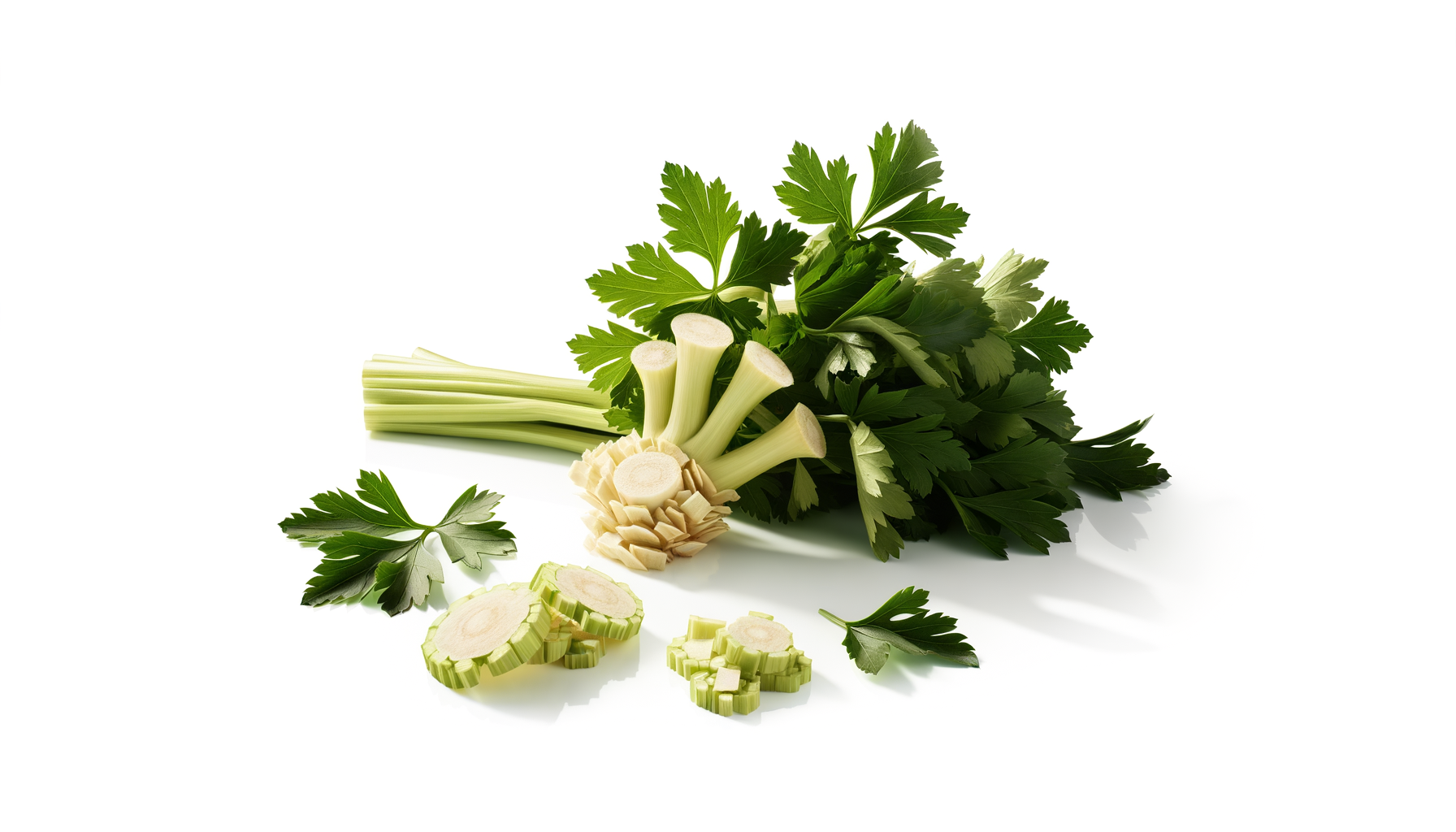
Lovage
Levisticum officinale
Sensory Profile
Tastes
Basic flavor profiles
Aromas
Scent characteristics
Stimuli
Sensory sensations
Textures
Physical properties
About Lovage
Lovage boasts a robust, celery-like flavor with a hint of parsley and an earthy undertone. Its aromatic leaves and stems provide a refreshing, slightly peppery taste that can elevate both simple and complex dishes. Traditionally used in European cuisine, lovage is versatile in the kitchen. Its leaves can be used fresh in salads, soups, and sauces, while the stems are excellent for flavoring stocks and broths. Lovage pairs well with root vegetables, potatoes, and legumes, and can also enhance the flavor of meats, particularly poultry and fish. Additionally, it can be used to infuse oils and vinegars or as a seasoning in herb blends. Native to the Mediterranean region, lovage has been cultivated since ancient times, with historical references dating back to the Greeks and Romans. It thrives in temperate climates and is often found in gardens across Europe and North America. Lovage is characterized by its tall, sturdy stalks and large, glossy green leaves, which can grow up to 3 feet in height. The plant produces small, yellow-green flowers in umbels during the summer, attracting pollinators. Its strong flavor means that a little goes a long way, making it a valuable herb for both home cooks and professional chefs. Lovage is also appreciated for its medicinal properties, often used in traditional herbal remedies for
Associated health effects(19)
- Kidney Stress
- Metabolic Enzyme Inhibition
- Antioxidant
- Allergic Reactions
- Photosensitivity
- Nephroprotection
- Nutritional Advantages
- Immune Booster
- Digestive Irritation
- Skin Health
- Interaction with Medications
- Antiallergic Activity
- Joint Health
- Diuretic Activity
- Antibacterial
- Digestive Aid
- Respiratory Support
- Anti-inflammatory
- Carminative
Nutrition per 100 g(4)
- Energy: 36 kcal
- Protein: 2 g
- Fat: 0.6 g
- Fiber: 4 g