
Lovage Root Sensory Map
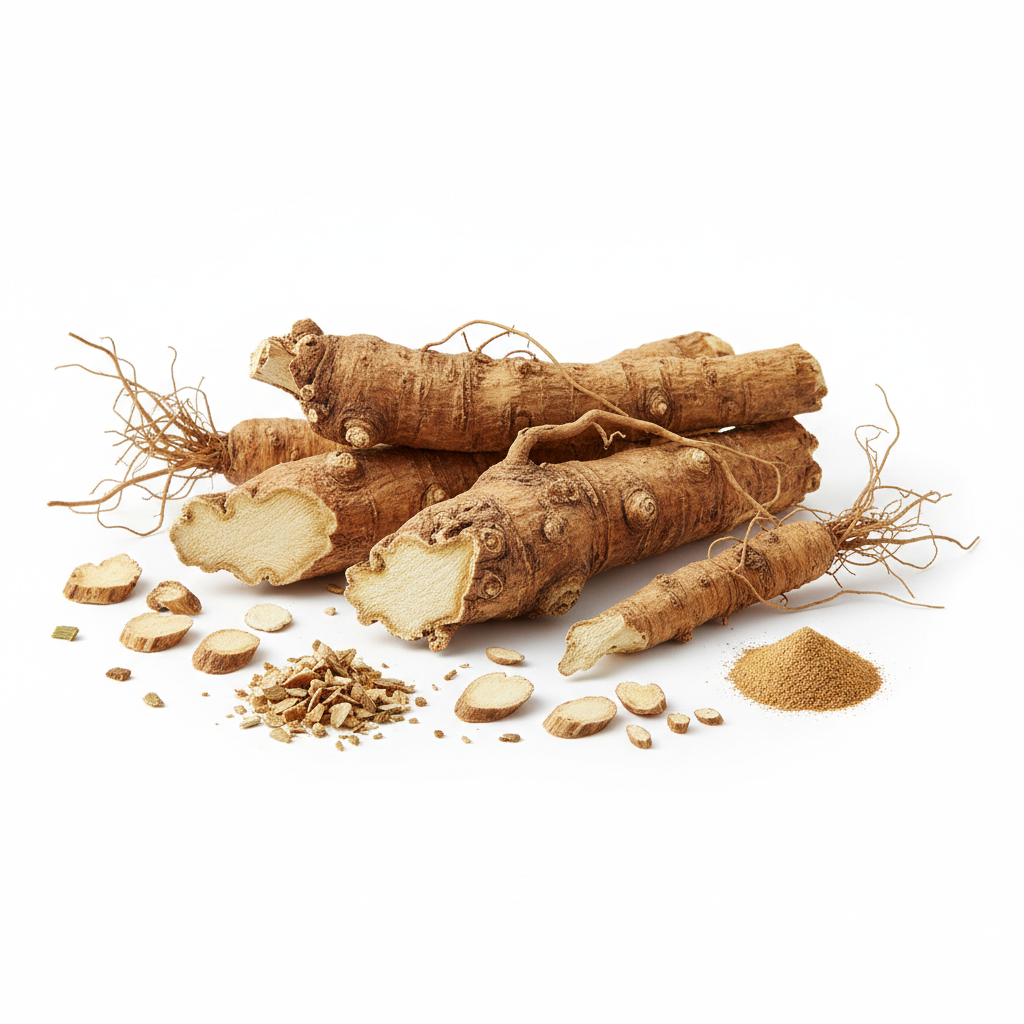
Lovage Root
Levisticum officinale
Sensory Profile
Tastes
Basic flavor profiles
Aromas
Scent characteristics
Stimuli
Sensory sensations
Textures
Physical properties
About Lovage Root
Lovage root presents a concentrated sensory profile defined by a potent, savory musk that bridges the gap between wild mountain celery and toasted fenugreek, underpinned by a persistent, earthy sweetness reminiscent of molasses. In professional kitchens, it serves as a foundational element in central European *Suppengrün* (soup greens) and traditional Dutch white asparagus preparations, where its high concentration of phthalides acts as a natural flavor enhancer, deepening the umami perception of broths and tempering the sulfurous notes of cruciferous vegetables. Native to the high-altitude regions of the Mediterranean and Southwest Asia, the root is traditionally harvested in its second or third year to allow for the maturation of its essential oils, then slow-dried to stabilize its volatile ligustilide compounds. Unlike its herbaceous leaves, the woody root possesses a unique chemical resilience that withstands prolonged braising and high-heat extraction, making it a superior botanical for infusing dark stocks or flavoring artisanal liqueurs like *Boonekamp*. Its distinguishing feature is its remarkable ability to mimic the complex salinity of MSG; when ground into a fine powder, it functions as a "clean label" flavor catalyst that rounds out the sharp acidity of fermented dairy and provides a structural, savory backbone to vegan charcuterie.
Associated health effects(11)
- Appetite Stimulant
- Antioxidant
- Urinary Flushing Support
- Digestive Spasm Relief
- Culinary Herb Phytonutrient Contribution
- Culinary Herb Micronutrient Contribution
- Culinary Herb Polyphenol Contribution
- Diuretic Activity
- Digestive Aid
- Anti-inflammatory
- Carminative
Nutrition per 100 g(4)
- Energy: 66 kcal
- Protein: 2 g
- Fat: 0.5 g
- Fiber: 3.5 g