
Mắc Khén Sensory Map
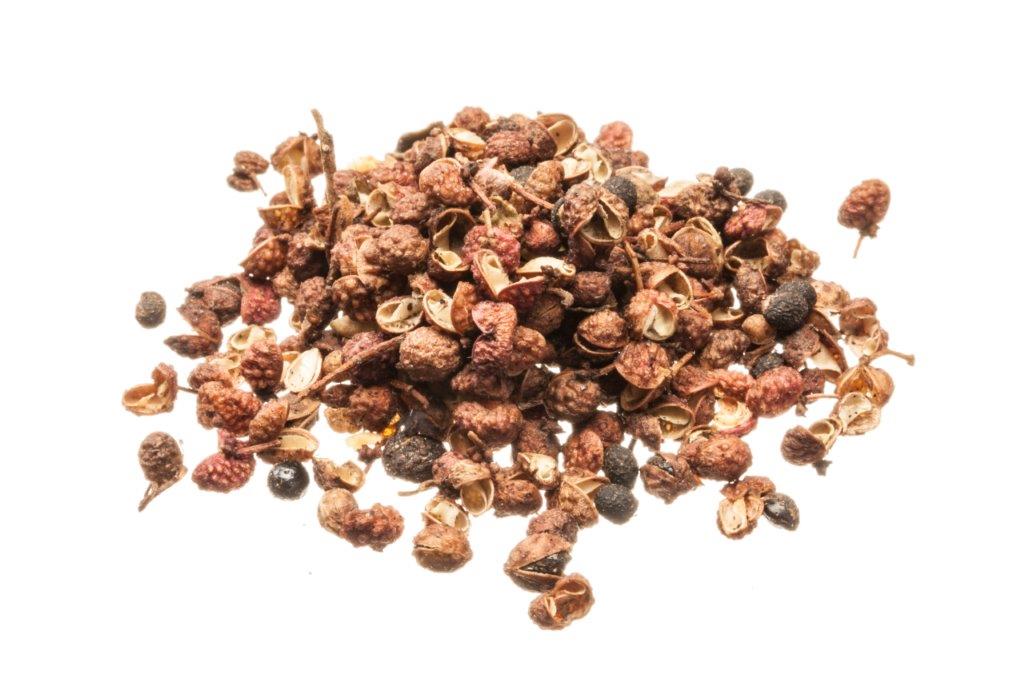
Mắc Khén
Zanthoxylum rhetsa
Sensory Profile
Tastes
Basic flavor profiles
Aromas
Scent characteristics
Stimuli
Sensory sensations
Textures
Physical properties
About Mắc Khén
Mắc Khén, often referred to as "Vietnamese Sichuan pepper," boasts a unique flavor profile characterized by a warm, citrusy, and slightly numbing sensation on the palate. Its aromatic qualities are enhanced by hints of floral and earthy notes, making it a complex addition to various dishes. This spice is predominantly used in Vietnamese cuisine, particularly in the northern regions. Mắc Khén is commonly incorporated into marinades, meat dishes, and dipping sauces, where it complements the richness of fatty meats like pork and duck. It is also used in traditional dishes such as "thịt trâu gác bếp" (smoked buffalo meat) and can be found in spice blends for soups and stews. Its versatility extends to enhancing seafood and vegetable dishes, providing a distinctive zing that elevates the overall flavor. Mắc Khén is native to the mountainous regions of northern Vietnam, particularly in the provinces of Lào Cai and Yên Bái. The spice is harvested from the dried husks of the fruit of the Zanthoxylum rhetsa tree, which thrives in the subtropical climate of the area. Traditionally, it has been used not only for its culinary applications but also for its medicinal properties in local herbal practices. The spice is easily recognizable by its small, dark brown to black husks, which
Associated health effects(12)
- Safety and Toxicity
- Antioxidant
- Allergic Reactions
- Allergy Risk
- Analgesic Activity
- Nutritional Advantages
- Pain Relief
- Sensory Tingling and Numbing
- Flavor and Culinary Use
- Antibacterial
- Digestive Aid
- Anti-inflammatory
Nutrition per 100 g(4)
- Energy: 217 kcal
- Protein: 7 g
- Fat: 5 g
- Fiber: 10 g