
Mace Sensory Map
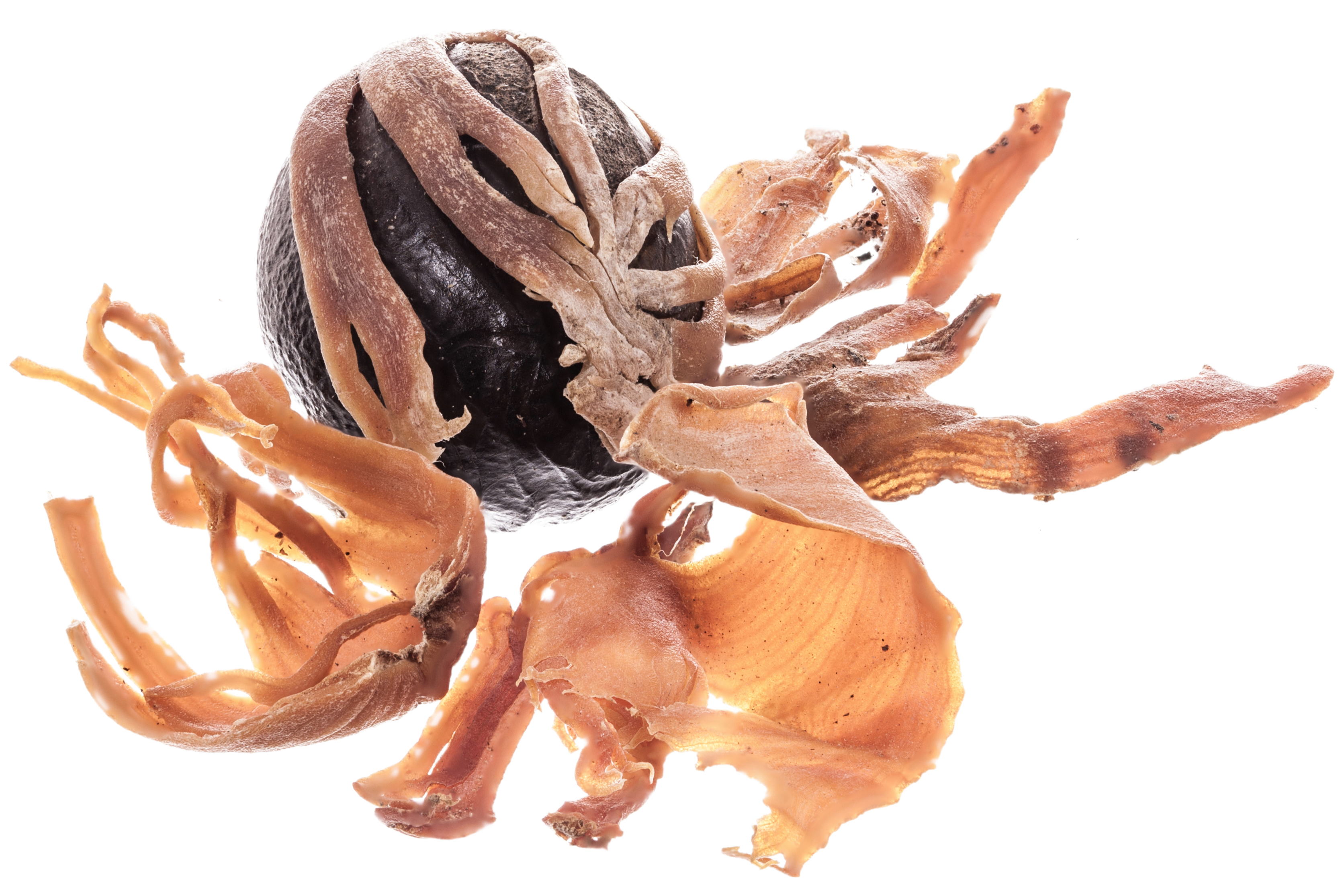
Mace
Myristica fragrans
Sensory Profile
Tastes
Basic flavor profiles
Aromas
Scent characteristics
Stimuli
Sensory sensations
Textures
Physical properties
About Mace
Mace (Myristica fragrans) is the dried aril of the nutmeg seed, offering a complex sensory profile that is both warm and slightly sweet, with notes of cinnamon, nutmeg, and a subtle floral undertone. Its aroma is rich and inviting, reminiscent of a cozy spice cabinet, with hints of clove and a delicate earthiness that can elevate both sweet and savory dishes. The texture of mace is finely fibrous, allowing it to blend seamlessly into various preparations, imparting a smooth mouthfeel without the grittiness sometimes associated with coarser spices. In culinary applications, mace shines in classic dishes such as *Béchamel sauce*, where its warm, aromatic qualities enhance the creaminess and depth of flavor, creating a luxurious base for gratins and creamy pasta dishes. It is also a key ingredient in *Garam Masala*, a traditional Indian spice blend, where it contributes a unique warmth and complexity that balances the heat of chili and the earthiness of cumin. Additionally, mace is often used in sweet applications like *spiced cakes* and *custards*, where its sweet, aromatic profile complements the richness of dairy and eggs, enhancing the overall flavor through the Maillard reaction during baking. Originating from the Banda Islands in Indonesia, mace has a storied history, often associated with trade routes that shaped global culinary practices. Traditionally, the spice is harvested by hand; the aril is carefully removed from the nutmeg seed and dried in the sun, a process that preserves its volatile oils and aromatic compounds. This meticulous production method not only ensures the quality of the spice but also reflects the cultural significance of mace in regional cuisines, particularly in Southeast Asian and Middle Eastern dishes. What distinguishes mace from other spices is its unique chemical composition, which includes compounds such as myristicin and elemicin, contributing to its distinctive flavor and aroma. These compounds interact with proteins and fats during cooking, enhancing flavor release and creating a harmonious balance in dishes. Unlike nutmeg, which can be overpowering if used excessively, mace's more delicate profile allows it to be used in greater quantities without overwhelming other ingredients, making it an essential spice for chefs seeking to create nuanced and layered flavors in their culinary creations.
Associated health effects(22)
- Myristicin Toxicity
- Appetite Stimulant
- Urinary Incontinence Relief
- Drug Interactions
- Antioxidant
- Dose-Dependent Effects
- Analgesic Activity
- Plaque and Gingivitis Reduction
- Liver Toxicity
- Alpha-amylase Inhibition
- Antifungal
- Immune Booster
- Mood Enhancement
- At-Risk Populations
- Digestive Discomfort
- Skin Health
- Antibacterial
- Emmenagogue Activity
- Heart Health
- Digestive Aid
- Anti-inflammatory
- Carminative
Nutrition per 100 g(4)
- Energy: 210 kcal
- Protein: 6 g
- Fat: 5 g
- Fiber: 7 g