
Mahlab Sensory Map
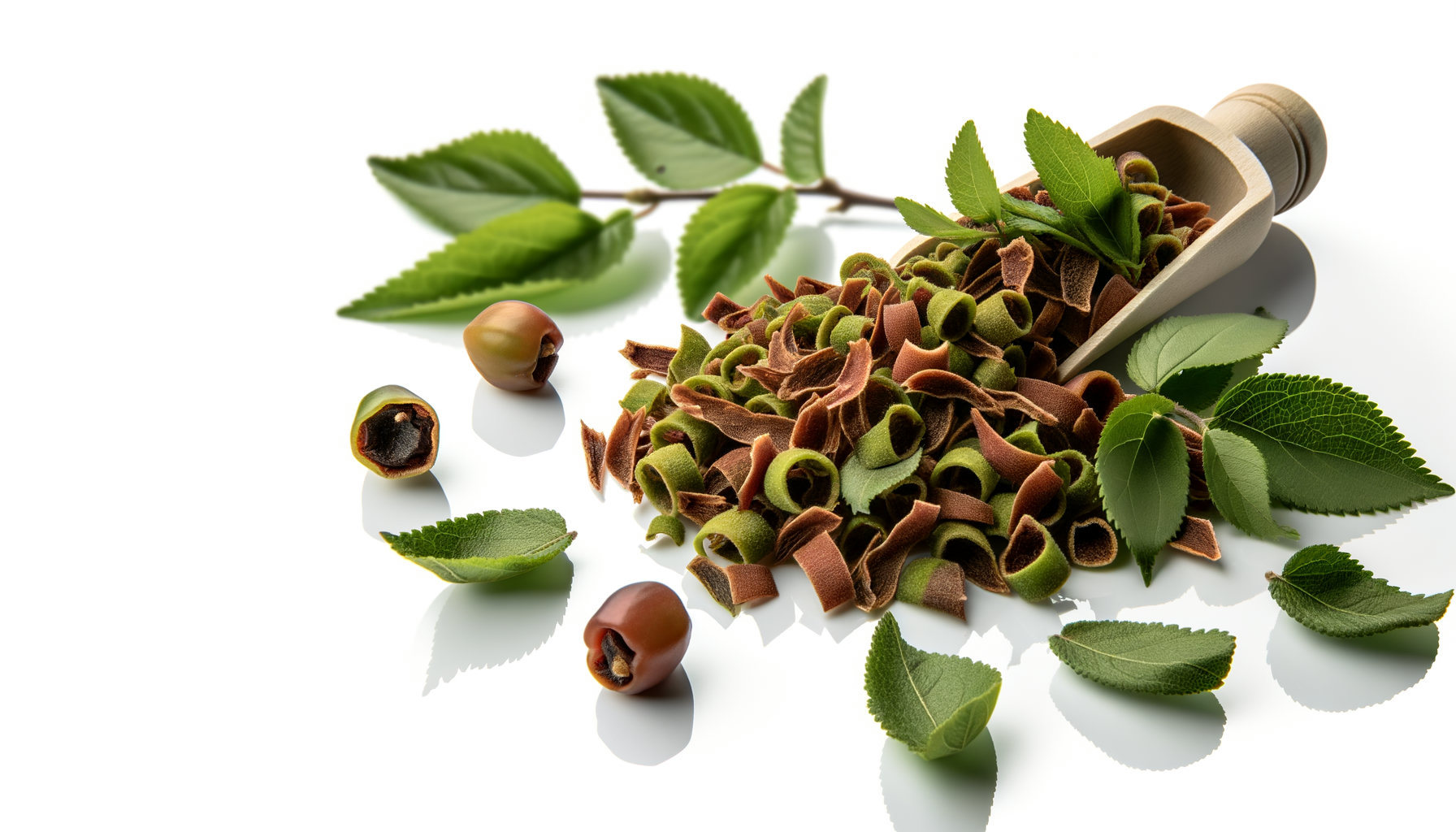
Mahlab
Prunus mahaleb
Sensory Profile
Tastes
Basic flavor profiles
Aromas
Scent characteristics
Stimuli
Sensory sensations
Textures
Physical properties
About Mahlab
Mahlab (Prunus mahaleb) is a unique spice derived from the seeds of the mahaleb cherry, offering a complex sensory profile characterized by its sweet, nutty flavor with subtle hints of cherry and almond, complemented by a warm, slightly bitter undertone. The aroma is reminiscent of freshly baked bread with a faint floral note, making it an enticing addition to both sweet and savory dishes. Its fine, slightly gritty texture allows it to blend seamlessly into doughs and batters, enhancing the mouthfeel of baked goods. Culinary applications of mahlab are particularly prominent in Middle Eastern and Mediterranean cuisines, where it is a key ingredient in iconic dishes such as maamoul (a traditional filled pastry) and brioche bread. In maamoul, the spice contributes to the dough's complexity, interacting with sugars to create a rich, aromatic profile that elevates the overall flavor experience. In *brioche*, mahlab's unique compounds can enhance the bread's structure, providing a delicate crumb while imparting a subtle sweetness that balances the richness of the butter. Originating from the Mediterranean region, particularly in countries like Turkey, Greece, and Lebanon, mahlab holds cultural significance as a traditional flavoring agent in festive and celebratory foods. The production of mahlab involves carefully harvesting the cherry seeds, which are then dried and ground to release their essential oils and flavor compounds, a process that preserves their aromatic qualities and ensures a robust flavor profile. What distinguishes mahlab is its unique chemical composition, which includes volatile compounds that contribute to its distinctive aroma and flavor. Unlike many other spices, mahlab's flavor can evolve over time; when aged, it develops deeper, more complex notes that can enhance its culinary applications. This makes it not only a flavor enhancer but also a key player in the textural and aromatic dimensions of various dishes, showcasing the intricate relationship between flavor compounds and culinary traditions.
Associated health effects(8)
- Blood Sugar Support
- Immune Modulation
- Mineral Content
- Amygdalin-Induced Cyanide Toxicity Risk
- Dietary Fiber
- Cholesterol Management
- Digestive Aid
- Anti-inflammatory
Nutrition per 100 g(4)
- Energy: 370 kcal
- Protein: 10 g
- Fat: 15 g
- Fiber: 20 g