
Maitake Sensory Map
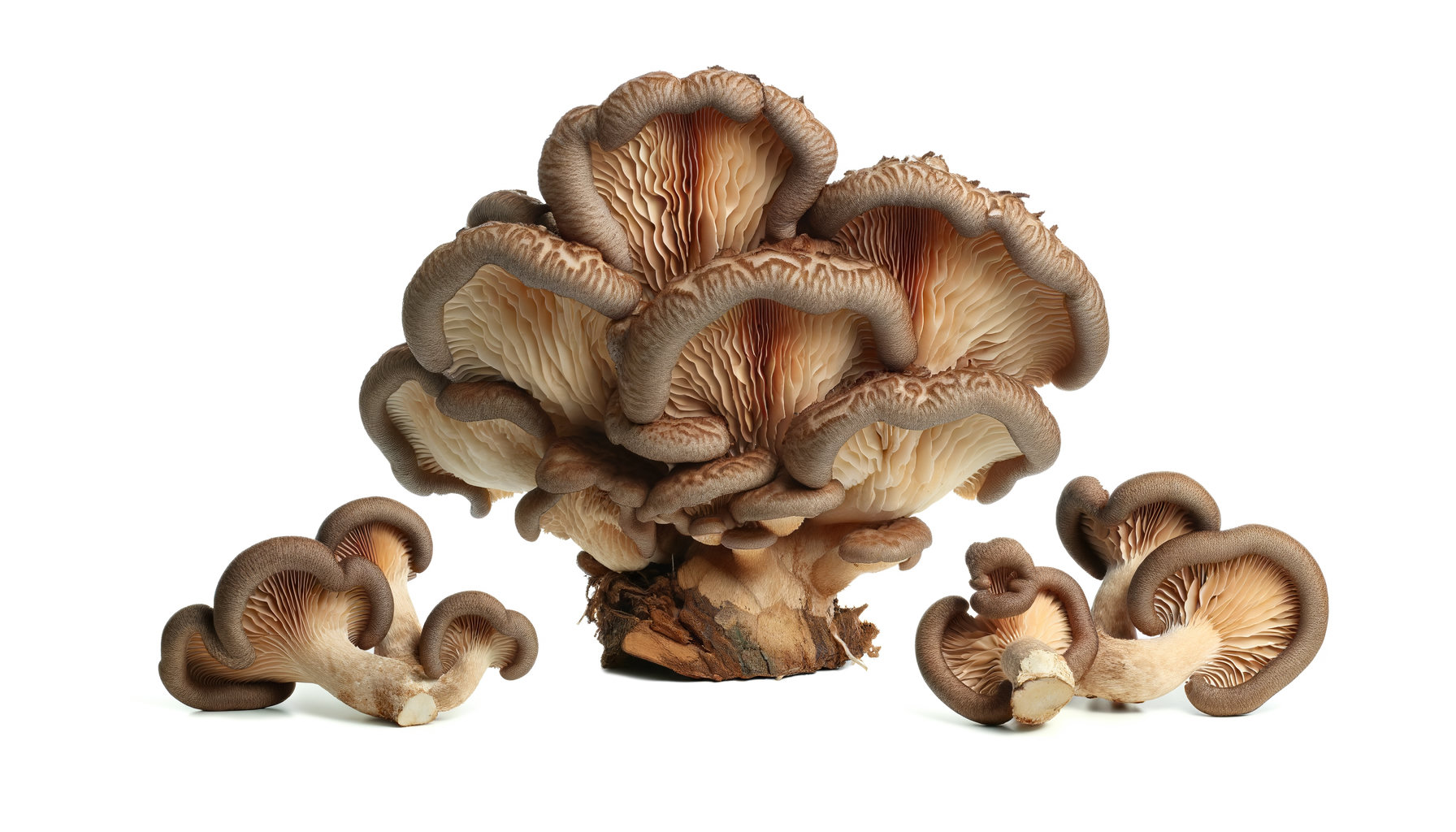
Maitake
Grifola frondosa
Sensory Profile
Tastes
Basic flavor profiles
Aromas
Scent characteristics
Stimuli
Sensory sensations
Textures
Physical properties
About Maitake
Maitake (Grifola frondosa), belonging to the Meripilaceae family, is a prized culinary mushroom renowned for its multifaceted flavor profile and unique texture. With a rich, earthy aroma reminiscent of damp forest floors, it offers a complex taste that combines nutty, peppery notes with a subtle sweetness, making it an excellent complement to both savory and umami-rich dishes. The mushroom's frond-like clusters possess a delicate, yet firm texture that holds up wonderfully in various cooking methods, from sautéing to roasting, allowing it to absorb and enhance surrounding flavors. Culinary applications of maitake shine in iconic dishes such as Japanese miso soup, where its robust flavor deepens the broth's umami character, and in risottos, where its texture contributes a satisfying chew that contrasts beautifully with the creamy rice. Additionally, maitake's ability to caramelize when seared makes it an excellent candidate for inclusion in gourmet pizzas, where it adds depth and complexity to the overall flavor profile. The mushroom's natural sugars and proteins undergo Maillard reactions during cooking, creating a rich, savory crust that elevates any dish. Originating from the temperate forests of Japan, China, and North America, maitake has been revered in traditional Asian medicine for centuries, often referred to as "dancing mushroom" due to its unique appearance and the joy it brings to foragers. Cultivated through both wild harvesting and controlled cultivation methods, maitake thrives on decaying wood, making it a sustainable choice for chefs seeking to incorporate seasonal, foraged ingredients into their menus. What sets maitake apart is not only its distinctive flavor and texture but also its potential health benefits, as it is rich in beta-glucans, which are known to support immune function. Its unique composition allows it to absorb flavors exceptionally well, making it a dynamic ingredient that can adapt to various culinary styles while providing both nutritional and sensory enhancements to dishes.
Associated health effects(18)
- Satiety Enhancement
- Micronutrient Density
- Mushroom Polysaccharide Immune Modulation
- Topical Skin Hydration Support
- Ergothioneine Support
- Potential Additive Hypoglycemia
- Antioxidant
- Vitamin D Content Support
- Blood Pressure Reduction
- Blood Sugar Regulation
- No Evidence of Toxicity, Heavy Metals, or Contaminants
- Dietary Fiber
- Skin Health
- Bone Health
- Cholesterol Management
- Anti-aging Activity
- Beta-Glucan Prebiotic Support
- Anticancer Potential
Nutrition per 100 g(4)
- Energy: 35 kcal
- Protein: 2.7 g
- Fat: 0.3 g
- Fiber: 2.7 g