
Maltodextrin Sensory Map
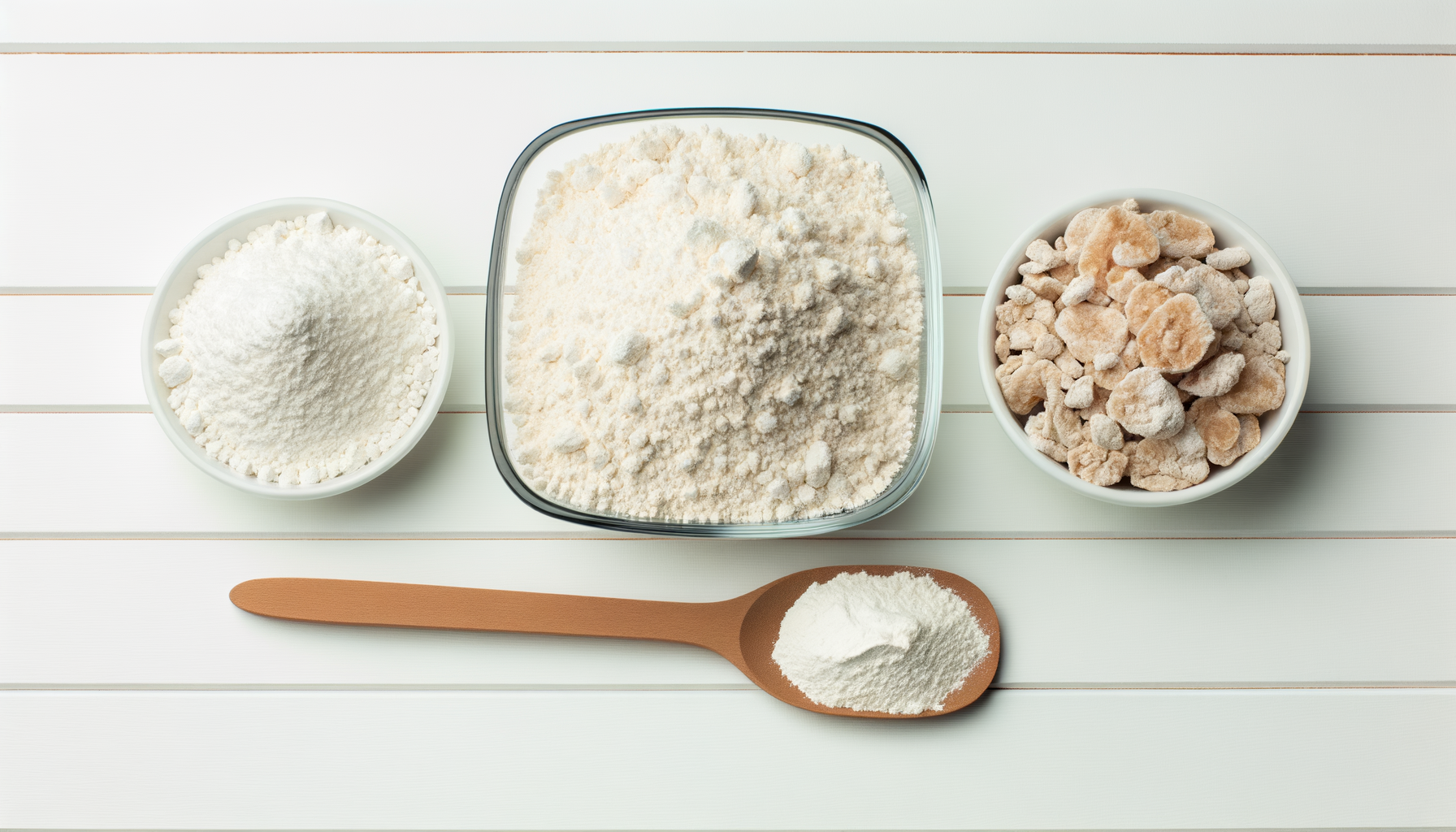
Maltodextrin
Maltodextrinum
Sensory Profile
Tastes
Basic flavor profiles
Aromas
Scent characteristics
Stimuli
Sensory sensations
Textures
Physical properties
About Maltodextrin
Maltodextrin is a mildly sweet, neutral-tasting carbohydrate derived from starch, primarily corn, rice, or potato. Its subtle flavor allows it to blend seamlessly into a variety of dishes without altering the overall taste profile. Maltodextrin is widely used in the food industry as a thickening agent, stabilizer, and bulking agent. It is commonly found in processed foods, sauces, dressings, and snacks. In molecular gastronomy, it is often utilized to create powders from liquids, enhancing texture and mouthfeel. Additionally, maltodextrin is a popular ingredient in sports nutrition products due to its quick digestibility and ability to provide a rapid source of energy. Maltodextrin is produced through the hydrolysis of starch, a process that breaks down the long chains of glucose molecules into shorter chains. This process typically involves cooking the starch with water and enzymes or acids. The resulting product is a white, powdery substance that is easily soluble in water. Maltodextrin is valued for its versatility and functional properties. It has a low sweetness level compared to sugar, making it ideal for applications where sweetness is not desired. Its ability to absorb moisture and improve texture makes it a favored ingredient in various culinary applications. Additionally, maltodextrin is often used in low-fat
Associated health effects(70)
- Blood Sugar Crash
- Blood Sugar Spikes
- Exercise Performance Enhancement
- Satiety Enhancement
- Insulin Resistance Development
- Limited Nutritional Advantages
- Appetite Stimulant
- Glycemic Spiking from Refined Starch
- Colonic Transit Enhancement
- Potential Additive-Induced Gut Disturbance
- Dietary Prebiotic Support
- Food Additive-Induced Gut Disruption
- Dental Caries Promotion
- Allergic Reactions
- Glycogen Replenishment Enhancement
- Rapid Energy Source for Athletes
- Dose-Dependent Effects
- Carbohydrate Content
- Energy Intake Stimulation
- Refined Starch Glycemic Spiking
- Digestive Tolerance
- Rapid Glucose Provision
- General nutrient support
- Culinary Sweetener Glycemic Impact
- Digestive Bulk Support
- Lipid Profile Improvement
- Diabetes Risk Elevation
- Gluten-Free Suitability
- No Unique Nutritional Advantage
- Rapid Glucose Absorption
- Rapid Carbohydrate Energy Provision
- Gut Microbiota Dysbiosis
- Exercise Rapid Energy Provision
- Microbiome Stability
- General overconsumption risks
- Limited Micronutrient Density
- Satiety Reduction
- Digestive Discomfort
- Intestinal Barrier Dysfunction
- Muscle Endurance Enhancement
- Added Sugar Glycemic Impact
- Allergic Reaction Risk
- Rapid Energy Provision
- Obesity and Weight Gain
- Caloric Excess
- Gastrointestinal Discomfort
- Dental Caries Risk
- Rapid Carbohydrate Absorption
- Metabolic Disruption via Gut Lipid Metabolite Alteration
- Gluten-Free Nature
- Exercise Recovery Enhancement
- Complex Carbohydrate Content
- Glycogen Storage Enhancement
- Culinary Diet Adherence Support
- Hunger and Food Cravings
- Glycogen Replenishment Support
- Glycemic Impact
- Culinary Properties
- Hydration Enhancement
- Rapid Glycemic Response
- Weight Gain
- Enhanced Nutrient Absorption
- Intestinal Inflammation Exacerbation
- Gastrointestinal Distress
- Rapid Glucose Availability
- Food Palatability Enhancement
- Type 2 Diabetes Risk
- Intestinal Barrier Disruption
- Digestive Health
- Muscle Recovery Enhancement
Nutrition per 100 g(4)
- Energy: 378 kcal
- Protein: 0.1 g
- Fat: 0.1 g
- Fiber: 0 g