
Mandarine Sensory Map
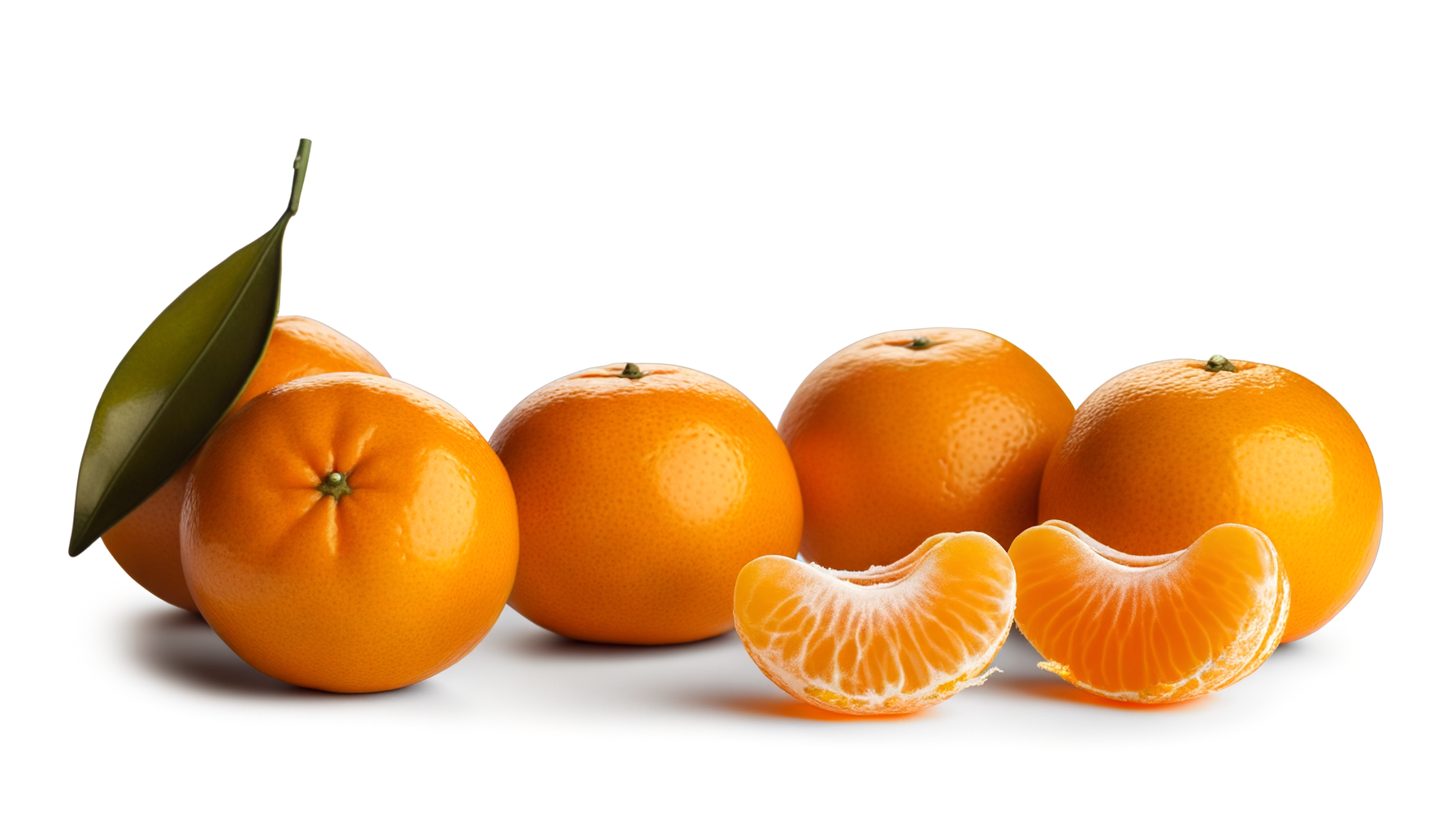
Mandarine
Citrus reticulata
Sensory Profile
Tastes
Basic flavor profiles
Aromas
Scent characteristics
Stimuli
Sensory sensations
Textures
Physical properties
About Mandarine
Mandarins are celebrated for their sweet, juicy flavor with a hint of tartness, making them one of the most palatable citrus fruits. Their aroma is fragrant and floral, often described as bright and uplifting. The flesh is tender and easy to segment, with a refreshing juiciness that is less acidic than other citrus varieties. Mandarins are versatile in the kitchen, commonly enjoyed fresh as a snack or dessert. Their segments can be added to salads for a burst of sweetness, incorporated into salsas, or used as a garnish for savory dishes. The zest and juice are popular in marinades, dressings, and desserts, enhancing both sweet and savory recipes. Mandarins are also used in beverages, such as juices and cocktails, and can be preserved in jams or jellies. Mandarins are believed to have originated in Southeast Asia, particularly in regions of China and Japan. They have been cultivated for thousands of years and were introduced to the Western world in the 19th century. Today, they are grown in various temperate and subtropical regions, with significant production in countries like Spain, Japan, and the United States. Mandarins are characterized by their loose, easily peelable skin, which ranges in color from bright orange to yellow-orange. They typically have fewer seeds than other citruses.
Associated health effects(15)
- Vitamin C Source
- Antioxidant
- Allergic Reactions
- Photosensitivity
- Nutritional Advantages
- Cancer-Preventive
- Immune Booster
- Digestive Discomfort
- Dietary Fiber
- Skin Health
- Interaction with Medications
- Stress Relief
- Weight Management
- Heart Health
- Digestive Aid
Nutrition per 100 g(4)
- Energy: 53 kcal
- Protein: 0.8 g
- Fat: 0.3 g
- Fiber: 1.8 g