
Mango Sensory Map
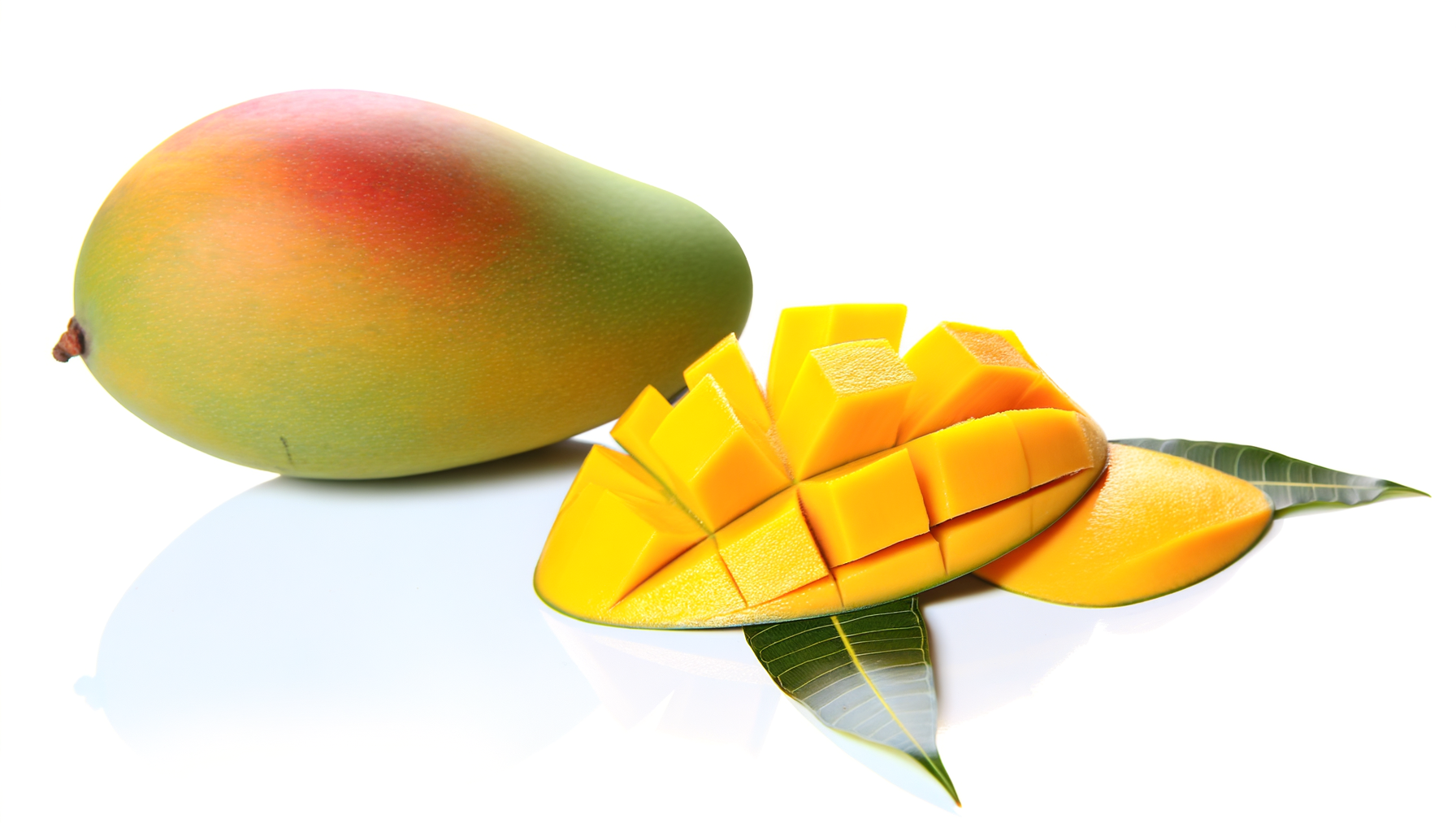
Mango
Mangifera indica
Sensory Profile
Tastes
Basic flavor profiles
Aromas
Scent characteristics
Stimuli
Sensory sensations
Textures
Physical properties
About Mango
Mango is renowned for its sweet, juicy flesh, which can range from mildly sweet to intensely sugary, often accompanied by a subtle tartness. The flavor is complex, with tropical notes of peach, pineapple, and citrus, making it a versatile ingredient in both sweet and savory dishes. Mango is widely used in various culinary applications. In its fresh form, it is enjoyed in salads, salsas, and smoothies, or simply sliced as a refreshing snack. Dried mango is a popular ingredient in trail mixes and desserts. In savory dishes, mango can be incorporated into curries, chutneys, and marinades, adding a unique sweetness that balances spices. Additionally, mango puree is often used in sauces, dressings, and beverages, including cocktails and lassis. Mango is believed to have originated in South Asia, specifically in the region encompassing India, Bangladesh, and Myanmar, where it has been cultivated for over 4,000 years. It holds cultural significance in many Asian countries, often referred to as the "king of fruits." Today, mango is grown in tropical and subtropical climates worldwide, with major production in India, Mexico, and Thailand. Mangoes are characterized by their vibrant yellow-orange flesh and smooth, thin skin, which can vary in color from green to red, depending on the variety. The fruit
Associated health effects(15)
- Blood Sugar Spikes
- Antioxidant
- Allergic Reactions
- Nutritional Advantages
- Cancer-Preventive
- Blood Sugar Support
- Latex-Fruit Syndrome
- Immune Booster
- Gastrointestinal Irritation from Unripe Mango
- Flavor and Culinary Use
- Interaction with Medications
- Weight Management
- Heart Health
- Digestive Aid
- Anti-inflammatory
Nutrition per 100 g(4)
- Energy: 60 kcal
- Protein: 0.8 g
- Fat: 0.6 g
- Fiber: 1.6 g