
Marjoram Sensory Map
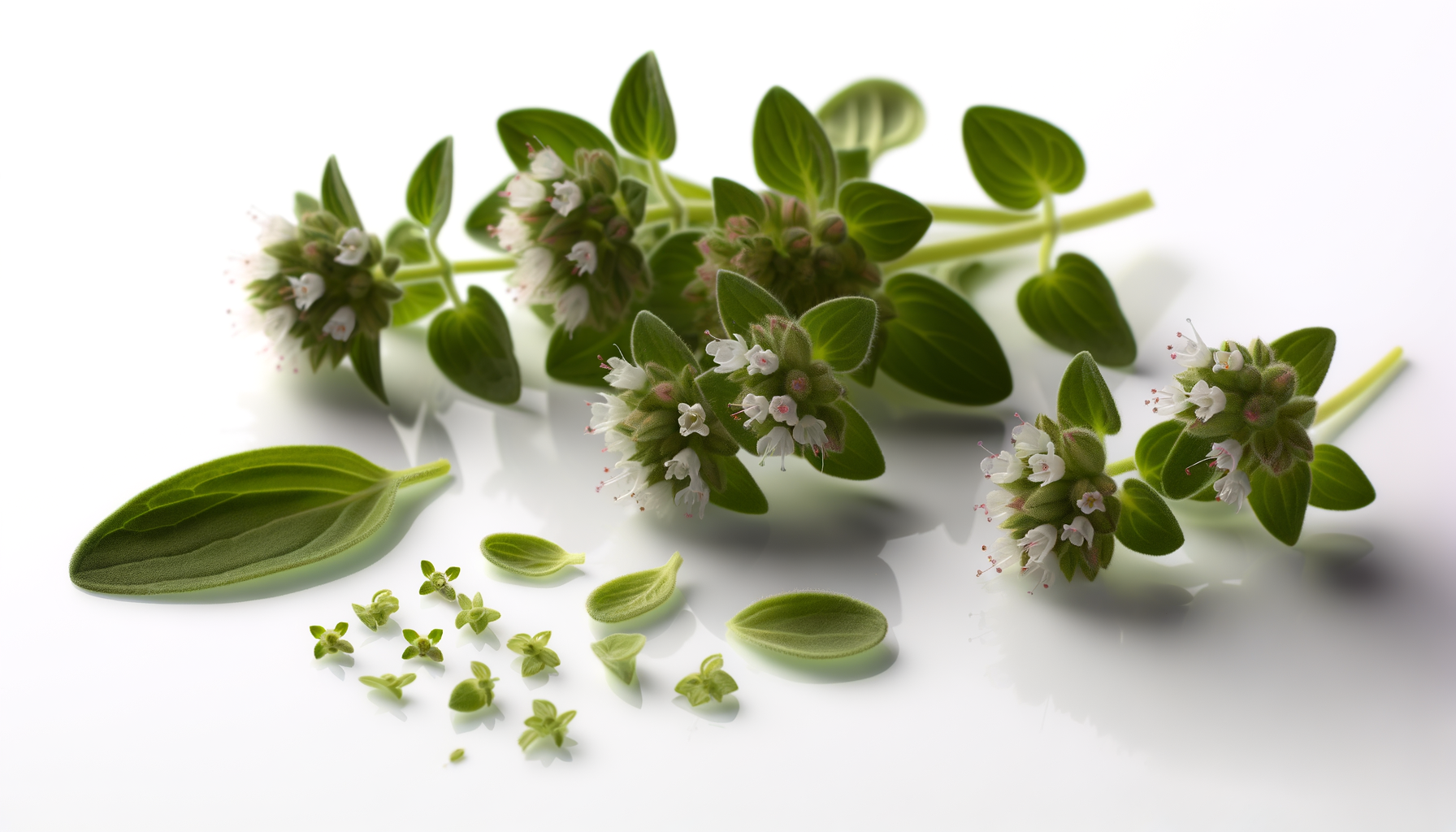
Marjoram
Origanum majorana
Sensory Profile
Tastes
Basic flavor profiles
Aromas
Scent characteristics
Stimuli
Sensory sensations
Textures
Physical properties
About Marjoram
Marjoram is known for its sweet, warm, and slightly citrusy flavor, which is more delicate than its close relative, oregano. It offers a subtle earthiness with hints of pine and floral notes, making it a versatile herb that can enhance both savory and sweet dishes. Marjoram is commonly used in Mediterranean cuisine, particularly in dishes such as soups, stews, and sauces. It pairs beautifully with meats, especially lamb and poultry, and is often included in herb blends like bouquet garni and za'atar. Additionally, marjoram can elevate vegetable dishes, dressings, and marinades. Its mild flavor makes it an excellent choice for seasoning without overpowering other ingredients. Native to the Mediterranean region, marjoram has been cultivated since ancient times. It is believed to have originated in Cyprus and was highly valued by the Greeks and Romans, who associated it with happiness and love. Today, it is grown in various temperate regions around the world, including Europe and the United States. Marjoram is characterized by its small, oval-shaped leaves that are soft and fuzzy, with a pale green hue. The plant produces small white or pink flowers, which are also edible. Fresh marjoram has a more vibrant flavor compared to its dried counterpart, making it a preferred choice for finishing dishes. Its aromatic
Associated health effects(32)
- Menstrual Support
- Anxiety Relief
- Insulin Sensitivity Enhancement
- Body Weight
- Hormone Regulation
- Antioxidant
- Allergic Reactions
- Nutritional Advantages
- Liver Toxicity
- Pain Relief
- Liver Support
- Hormonal Regulation
- Menstrual Regulation
- Immune Booster
- Mood Enhancement
- Hepatoprotection
- Interaction with Medications
- Hypolipidemic Activity
- Weight Management
- LDL Cholesterol Reduction
- Antibacterial
- Emmenagogue Activity
- Gastric Ulcer Protection
- Muscle Function Support
- Neuroprotection
- Antiviral
- Uterine Stimulation Risk
- Digestive Aid
- Menstrual Flow Stimulation
- Digestive Health
- Anti-inflammatory
- Carminative
Nutrition per 100 g(4)
- Energy: 33 kcal
- Protein: 3 g
- Fat: 1.5 g
- Fiber: 4 g