
Matcha Sensory Map
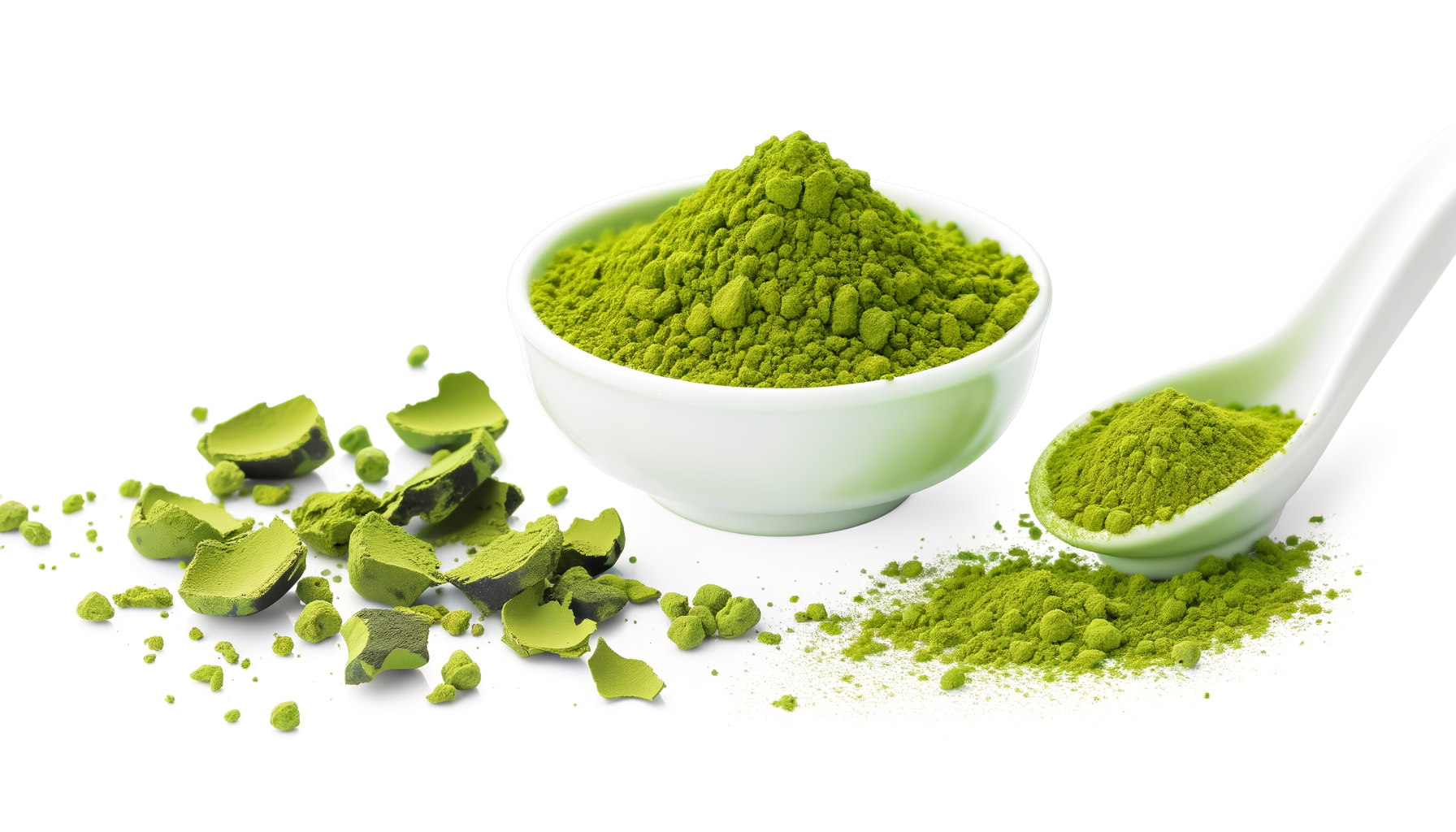
Matcha
Camellia sinensis matcha
Sensory Profile
Tastes
Basic flavor profiles
Aromas
Scent characteristics
Stimuli
Sensory sensations
Textures
Physical properties
About Matcha
Matcha offers a unique flavor experience characterized by its rich umami notes, subtle sweetness, and a slight bitterness. The taste is often described as creamy and vegetal, with a smooth finish that can vary depending on the quality of the matcha. Higher-grade matcha tends to have a more vibrant green color and a more delicate, sweeter flavor. Traditionally used in Japanese tea ceremonies, matcha has gained popularity in various culinary applications. It is commonly whisked with hot water to create a frothy beverage, but its versatility extends to lattes, smoothies, and baked goods. Matcha can also be incorporated into savory dishes, such as sauces and dressings, or used as a natural food coloring in desserts like ice cream and cakes. Matcha originates from Japan, where it has been cultivated since the 12th century. The practice of grinding green tea leaves into a fine powder began with Zen Buddhist monks who sought to enhance their meditation practices. The production of matcha involves shading the tea plants before harvest, which increases chlorophyll content and enhances the flavor profile. Matcha is distinct from other green teas due to its unique cultivation and preparation methods. The leaves are hand-picked, steamed, and then dried before being stone-ground into a fine powder. This process preserves the nutrients and vibrant green color. Matcha is renowned
Associated health effects(15)
- Antioxidant
- Cancer-Preventive
- Blood Sugar Support
- Catechin Immune Modulation
- Hepatoprotection
- Green Tea Extract Hepatotoxicity
- Interaction with Medications
- Cholesterol Management
- Stress Relief
- Metabolism Booster
- Weight Management
- Neuroprotection
- Heart Health
- Anti-inflammatory
- Cognitive Support
Nutrition per 100 g(4)
- Energy: 235 kcal
- Protein: 5 g
- Fat: 5 g
- Fiber: 27 g