
Melon Sensory Map
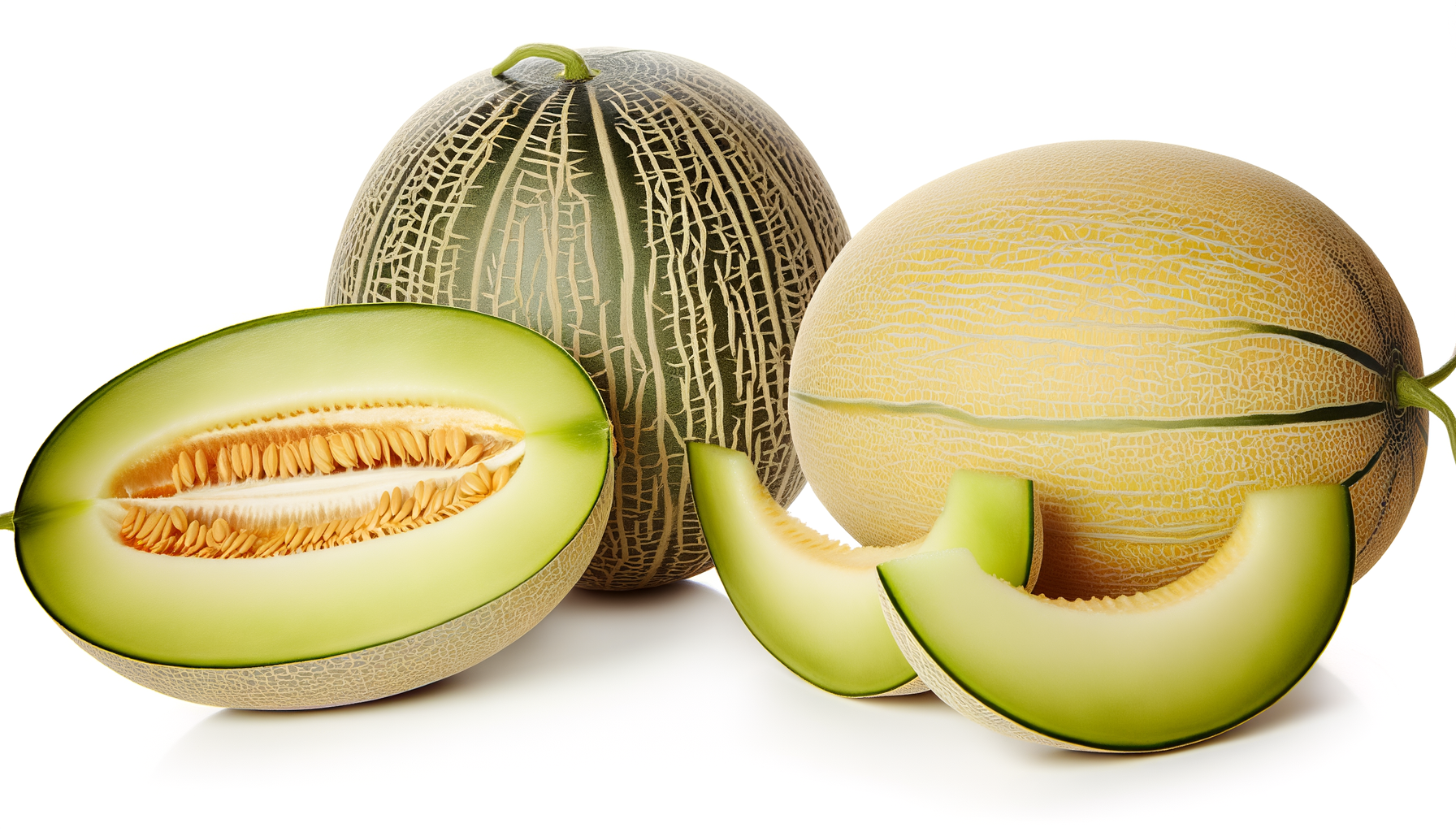
Melon
Cucumis melo
Sensory Profile
Tastes
Basic flavor profiles
Aromas
Scent characteristics
Stimuli
Sensory sensations
Textures
Physical properties
About Melon
Melon boasts a sweet, refreshing flavor with subtle floral notes and varying degrees of juiciness depending on the variety. Common types, such as cantaloupe and honeydew, offer a delicate balance of sweetness and mild acidity, making them a delightful addition to both sweet and savory dishes. Melon is incredibly versatile in the culinary world. It can be enjoyed fresh, sliced, or cubed in fruit salads, smoothies, and desserts. Its natural sweetness pairs well with prosciutto, cheeses, and herbs like mint or basil, making it an excellent choice for appetizers and salads. Additionally, melon can be pureed into soups or sorbets, and its juice is often used in beverages and cocktails. Melon is believed to have originated in the regions of Africa and Asia, with evidence of cultivation dating back over 4,000 years. It has since spread globally, with various cultivars developed in different climates, particularly in Mediterranean and tropical regions. Melons are characterized by their smooth, often ribbed skin and a juicy, succulent flesh that ranges in color from pale green to vibrant orange. They are typically round or oval in shape and contain a central cavity filled with seeds. Rich in vitamins A and C, as well as hydration properties, melons are not only a flavorful choice but also a nutritious one, making them a
Associated health effects(35)
- Vitamin C Source
- Beta-Carotene Source
- Cardiovascular Protection
- Antioxidant
- Allergic Reactions
- Cardiovascular Health
- Satiation Enhancement
- Blood Pressure Reduction
- Vitamin Content Support
- Folate Source
- Nephroprotection
- Nutritional Advantages
- Pain Relief
- Blood Sugar Support
- Antidiabetic Activity
- Immune Booster
- Chronic Disease Prevention
- Foodborne Illness Risk
- Mineral Content
- Dietary Fiber
- Skin Health
- Bone Health
- Antioxidant Immunity Support
- Weight Management
- Hydration Support
- Potassium
- Fiber Content
- Thyroid Homeostasis Support
- Low-Calorie Flavor Support
- Eye Health
- Lipid Metabolism Support
- Digestive Aid
- Vitamin A Source
- Digestive Health
- Anti-inflammatory
Nutrition per 100 g(4)
- Energy: 34 kcal
- Protein: 0.6 g
- Fat: 0.2 g
- Fiber: 0.4 g