
Merlot Sensory Map
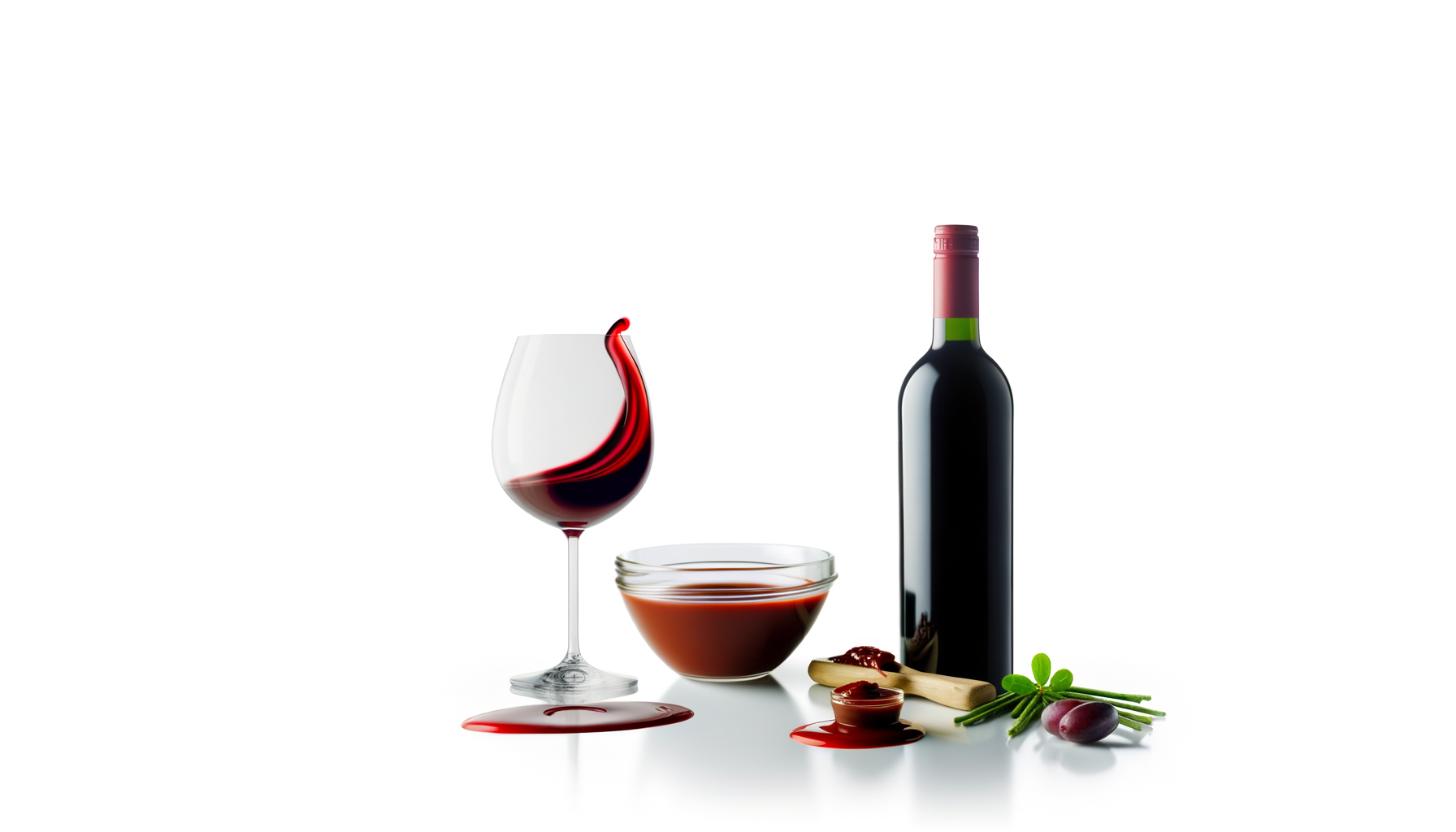
Merlot
Vitis vinifera
Sensory Profile
Tastes
Basic flavor profiles
Aromas
Scent characteristics
Stimuli
Sensory sensations
Textures
Physical properties
About Merlot
Merlot is a versatile grape variety known for its smooth, approachable flavor profile. It typically exhibits notes of ripe plum, black cherry, and raspberry, complemented by hints of chocolate, vanilla, and herbal undertones. The tannins are generally soft and velvety, making it a favorite for both novice and seasoned wine drinkers. The wine's acidity is moderate, contributing to its balanced and rounded mouthfeel. While Merlot is primarily recognized as a wine, its culinary applications extend beyond the glass. It is often used in cooking to enhance sauces, marinades, and reductions, imparting a rich depth of flavor. Merlot pairs exceptionally well with a variety of dishes, including red meats, roasted vegetables, and hearty pasta dishes. It can also be used in braising meats, where its fruity notes complement savory elements beautifully. Merlot is believed to have originated in the Bordeaux region of France, where it is one of the primary grape varieties used in the region's renowned red blends. The name "Merlot" is thought to be derived from the French word for blackbird, reflecting the grape's dark color and the birds' fondness for the ripe fruit. Over the centuries, Merlot has spread globally, thriving in regions such as California, Italy, and Australia, each imparting unique characteristics based on local terroir.
Associated health effects(13)
- Blood Pressure Support
- Cytochrome P450 Interaction
- Antioxidant
- Liver Toxicity
- Cardiovascular Stress
- Addiction Potential
- Mood Enhancement
- Cholesterol Management
- Weight Gain
- Neuroprotection
- Digestive Aid
- Insulin Sensitivity Support
- Anti-inflammatory
Nutrition per 100 g(4)
- Energy: 83 kcal
- Protein: 0.1 g
- Fat: 0 g
- Fiber: 0 g