
Mexican Vanilla Sensory Map
Mexican Vanilla
Vanilla planifolia
Sensory Profile
Tastes
Basic flavor profiles
Aromas
Scent characteristics
Stimuli
Sensory sensations
Textures
Physical properties
About Mexican Vanilla
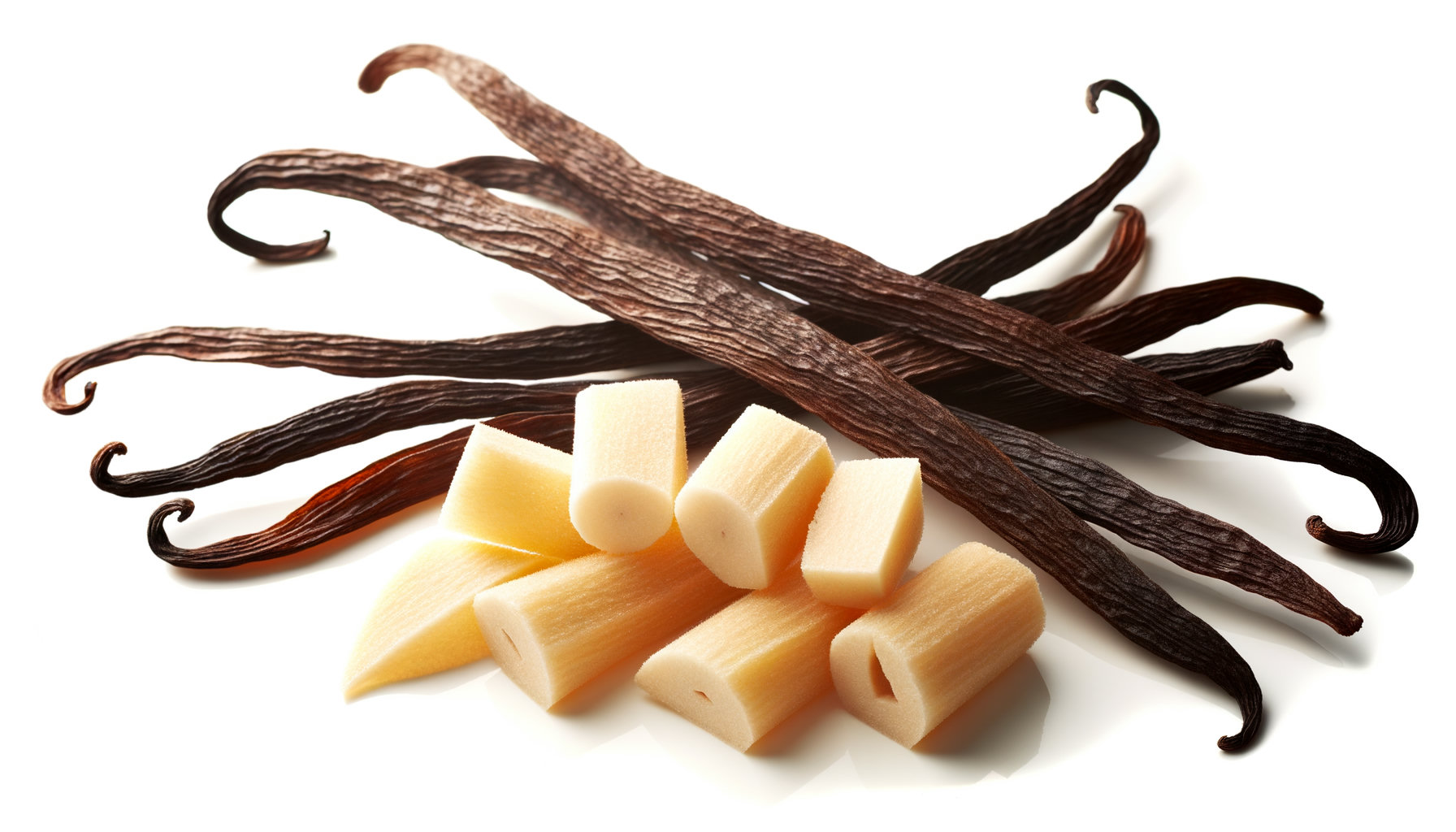
Mexican Vanilla (Vanilla planifolia) is a prized spice from the Orchidaceae family, renowned for its rich, complex flavor profile that features deep, creamy notes of caramel and a subtle, floral undertone reminiscent of sweet spices like cinnamon and nutmeg. Its aroma is intoxicatingly warm and inviting, with a hint of smokiness that can evoke memories of sun-drenched vanilla orchards. The texture of the vanilla beans is smooth and pliable, with tiny, glistening seeds that release their aromatic oils when scraped, enhancing both the visual and sensory experience of culinary creations. In culinary applications, Mexican vanilla is a cornerstone of traditional desserts such as flan and tres leches cake, where its robust flavor harmonizes beautifully with the creamy textures and sweetness of the dishes. The natural vanillin compounds in the vanilla interact with sugars during the cooking process, enhancing caramelization and contributing to a more profound depth of flavor. Additionally, it is often used in Mexican hot chocolate, where its aromatic qualities elevate the drink, complementing the richness of the chocolate and the warmth of spices like cinnamon and chili. Originating from the lush regions of Mexico, particularly the states of Veracruz and Puebla, Mexican vanilla holds significant cultural importance, deeply intertwined with the country’s culinary heritage. Traditional production methods involve hand-pollination of the delicate flowers, followed by a meticulous curing process that can take several months, allowing the beans to develop their characteristic flavor complexity. This labor-intensive process results in a product that is often richer and more nuanced than its counterparts from other regions. What distinguishes Mexican vanilla is not only its unique flavor profile but also the presence of additional flavor compounds, such as anisole and eugenol, which contribute to its distinctive taste and aroma. Unlike synthetic vanillin, which lacks the depth and complexity of natural vanilla, Mexican vanilla offers a multifaceted experience that evolves with aging, making it a favorite among chefs who seek to elevate their dishes with authentic flavor. Its ability to enhance both sweet and savory applications, coupled with its cultural significance, makes Mexican vanilla an essential ingredient in the culinary arts.
Associated health effects(17)
- Antioxidant
- Allergic Reactions
- Vanillin-Mediated Liver Protection
- Calming Aroma Effect
- Liver Toxicity
- Aphrodisiac
- Coumarin-Induced Hepatotoxicity
- Vanillin-Mediated Lipid and Glucose Regulation
- Mood Enhancement
- Coumarin Adulteration Risk
- Vanillin-Mediated Serotonin and Dopamine Modulation
- Neuroprotection
- Low-Calorie Flavor Support
- Digestive Aid
- Vanillin-Mediated Serotonin Modulation
- Anticancer Potential
- Anti-inflammatory
Nutrition per 100 g(4)
- Energy: 288 kcal
- Protein: 0.06 g
- Fat: 0.06 g
- Fiber: 0 g