
Milk Fat Sensory Map
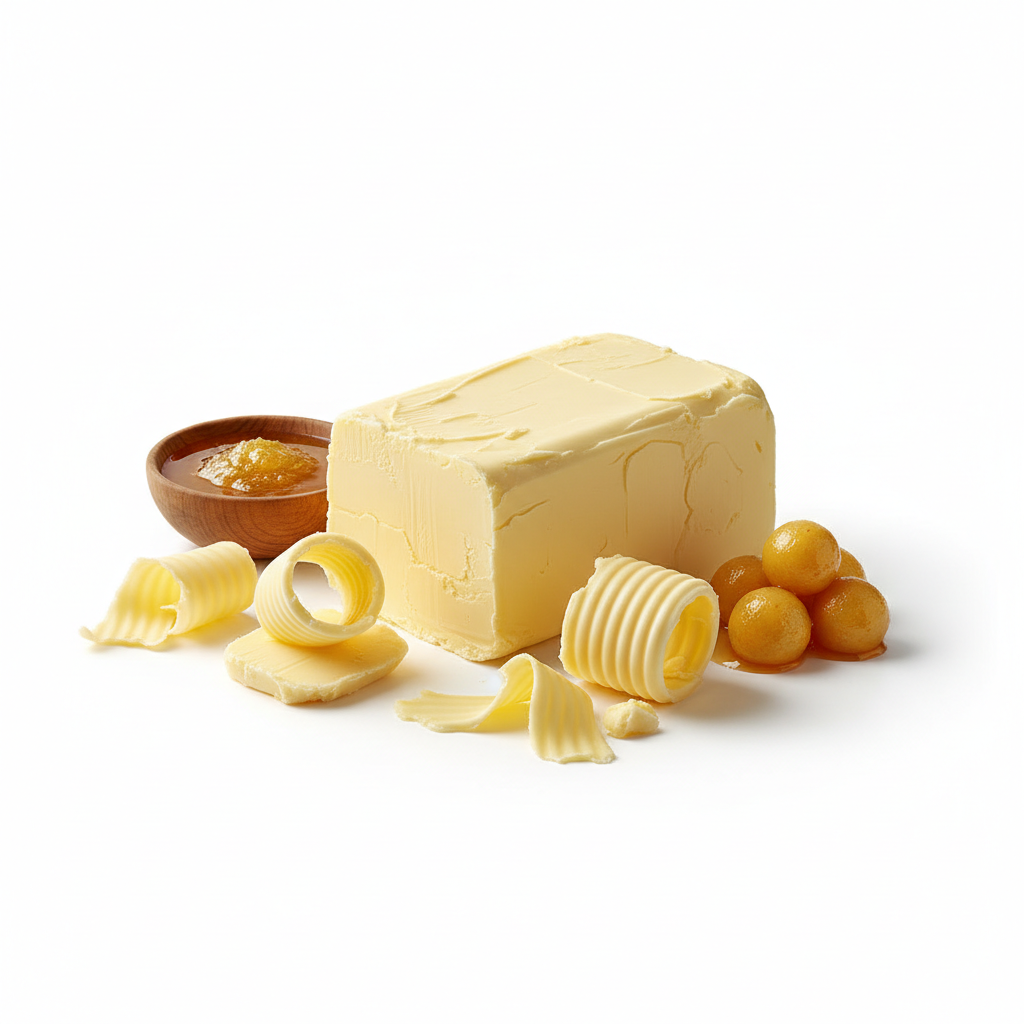
Milk Fat
Lacte vaccinum
Sensory Profile
Tastes
Basic flavor profiles
Aromas
Scent characteristics
Stimuli
Sensory sensations
Textures
Physical properties
About Milk Fat
Milk Fat (Lacte vaccinum) represents the most complex lipid matrix found in the culinary arts, characterized by a sensory profile of delicate diacetyl sweetness, toasted hay aromas, and a luxurious, tongue-coating mouthfeel that melts precisely at human body temperature. In iconic applications such as a classic *Hollandaise* or a laminated *Croissant*, milk fat functions as both a structural barrier and a flavor carrier; its high concentration of short-chain fatty acids provides an immediate volatile aroma release, while its ability to coat flour proteins prevents excessive gluten development, ensuring a tender, shatteringly crisp crumb. Historically rooted in the pastoral traditions of Northern Europe and the Indian subcontinent—where it is refined into *Ghee*—traditional production relies on the centrifugal separation of raw cream followed by rhythmic agitation to invert the emulsion from water-in-oil to oil-in-water. What distinguishes milk fat from plant-based lipids is its unique chemical composition of over 400 distinct fatty acids and its role in the Maillard reaction, where the residual trace proteins and lactose sugars undergo non-enzymatic browning to produce the deep, nutty complexity found in *Beurre Noisette*. Furthermore, when aged or cultured, the enzymatic breakdown of these fats by lipases generates piquant, butyric notes essential to the character of long-aged cheeses like *Parmigiano-Reggiano*, where the fat acts as a stabilizing medium for crystalline amino acids.
Associated health effects(10)
- Satiety Enhancement
- Blood Pressure Reduction
- Fat Matrix Cholesterol Neutrality
- Food Matrix Cardiometabolic Neutrality
- High Caloric Density
- CLA-Mediated Anti-cancer Potential
- High Saturated Fat Content
- Cholesterol Absorption Inhibition
- CLA-Mediated Blood Lipid Regulation
- Fat-Soluble Vitamin Absorption Support
Nutrition per 100 g(4)
- Energy: 740 kcal
- Protein: 0.5 g
- Fat: 82 g
- Fiber: 0 g