
Millet Sensory Map
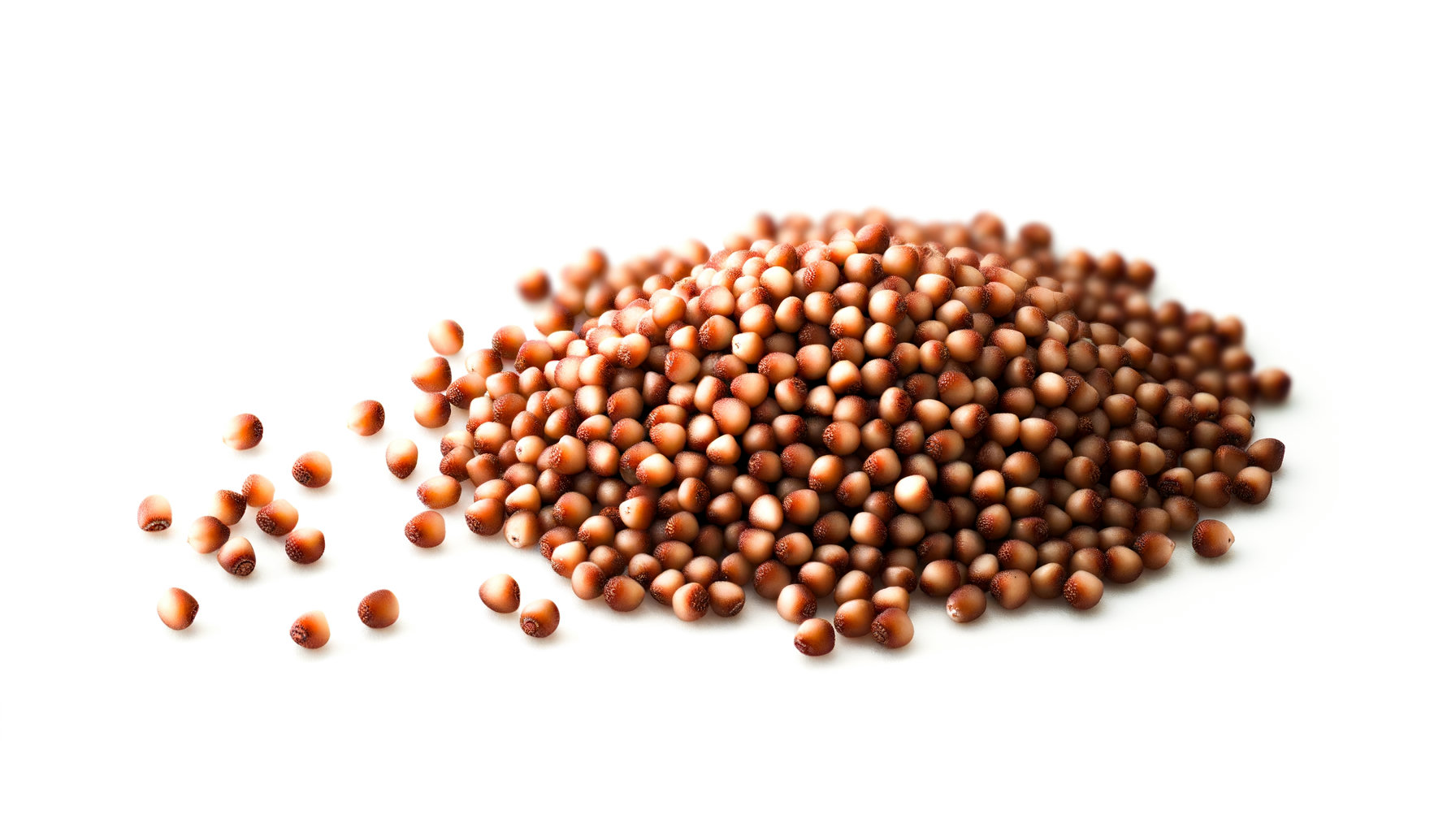
Millet
Pennisetum glaucum
Sensory Profile
Tastes
Basic flavor profiles
Aromas
Scent characteristics
Stimuli
Sensory sensations
Textures
Physical properties
About Millet
Millet (Pennisetum glaucum) is a small, round grain with a subtle, nutty flavor profile that can range from mildly sweet to slightly earthy, depending on the variety. Its aroma is reminiscent of toasted nuts, with a hint of grassiness that becomes more pronounced when cooked. The texture of cooked millet is fluffy and creamy, akin to a well-prepared risotto, making it an excellent base for both savory and sweet dishes. Culinary applications for millet are diverse, with iconic dishes such as Bajra Khichdi, a traditional Indian comfort food that combines millet with lentils and spices, allowing the grain's unique flavor to absorb the aromatic spices while providing a hearty, nutritious base. In African porridge, millet is often fermented, producing a tangy flavor that enhances its natural sweetness and provides a creamy consistency, making it a staple breakfast item in many cultures. Additionally, in gluten-free baking, millet flour can be used to create light, airy breads due to its high protein content, which contributes to structure and moisture retention. Originating from Africa and Asia, millet has been cultivated for thousands of years, with significant cultural importance in regions such as the Sahel, where it is a dietary staple due to its resilience to drought and poor soil conditions. Traditional production methods often involve hand-harvesting and sun-drying, which preserve the grain’s nutritional integrity and flavor. What distinguishes millet is its high digestibility and low glycemic index, making it a favorable choice for health-conscious diets. The grain's unique ability to absorb flavors and moisture allows it to act as a canvas for various culinary applications, while its natural oils contribute to a rich mouthfeel. Furthermore, when fermented, millet can develop complex flavors and enhance its nutritional profile, making it not only a versatile ingredient but also a culturally significant one across many culinary traditions.
Associated health effects(14)
- Micronutrient Density
- Gut Microbiota Modulation
- Type 2 Diabetes Prevention
- Nutritional Advantages
- Blood Cholesterol Reduction
- HDL Cholesterol Elevation
- Blood Sugar Regulation
- Dietary Fiber
- Prebiotic Support
- Adiponectin Elevation
- LDL Cholesterol Reduction
- Triglyceride Reduction
- Digestive Health
- Anti-inflammatory
Nutrition per 100 g(4)
- Energy: 378 kcal
- Protein: 11 g
- Fat: 4.2 g
- Fiber: 8.5 g