
Mint Sensory Map
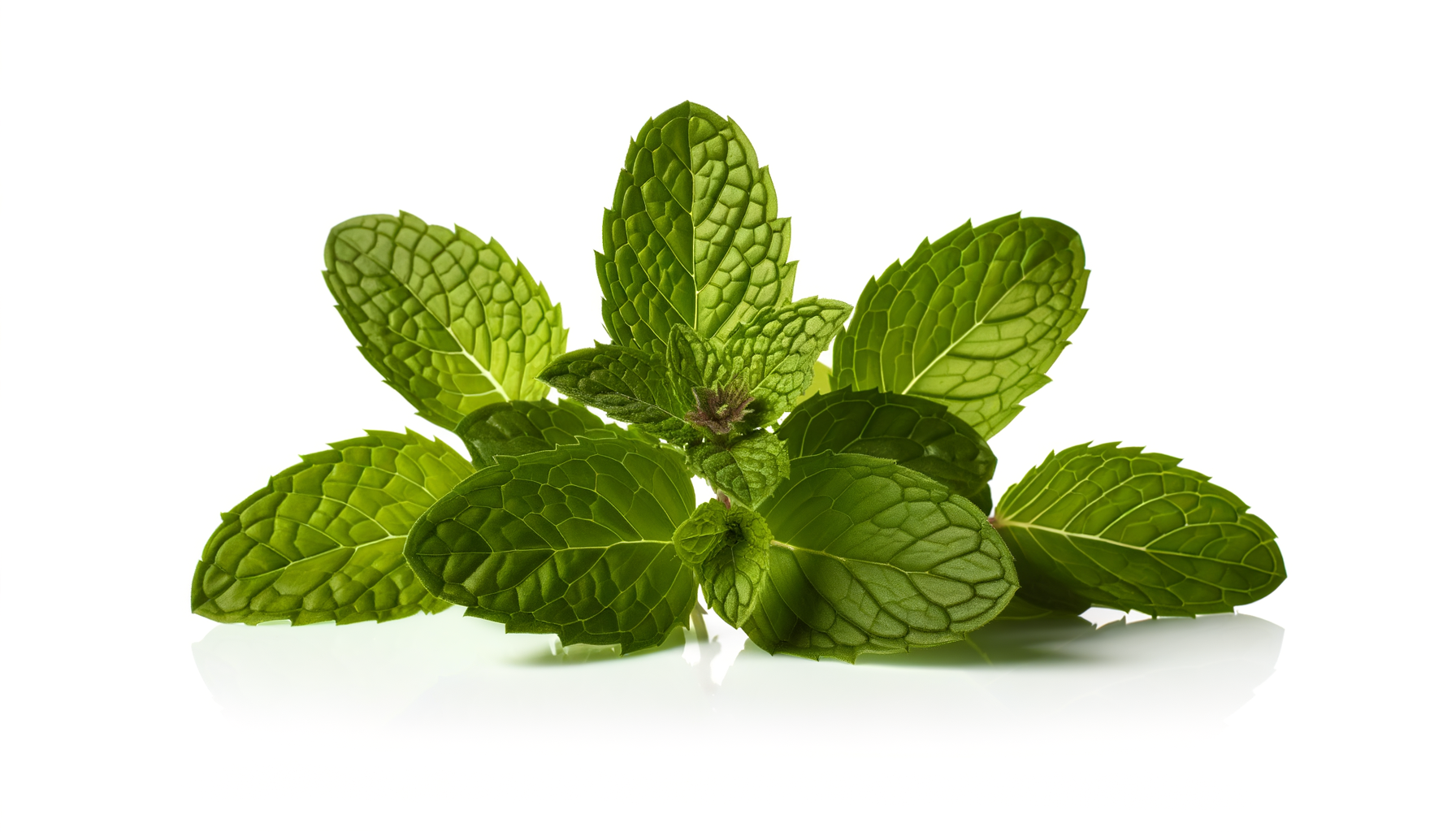
Mint
Mentha
Sensory Profile
Tastes
Basic flavor profiles
Aromas
Scent characteristics
Stimuli
Sensory sensations
Textures
Physical properties
About Mint
Mint is renowned for its refreshing, cool, and slightly sweet flavor, characterized by a sharp, invigorating aroma. The taste can vary slightly among its many varieties, with spearmint (Mentha spicata) offering a milder, sweeter profile, while peppermint (Mentha × piperita) delivers a more intense, pungent flavor due to its higher menthol content. Mint is a versatile herb used across a wide range of cuisines. It is commonly featured in Mediterranean dishes, such as tabbouleh and lamb preparations, where it complements rich flavors. In Middle Eastern cuisine, mint is often found in salads, yogurt sauces, and as a garnish for various dishes. Additionally, mint is a key ingredient in beverages like mojitos and mint tea, and it enhances desserts such as chocolate and fruit salads. Its fresh leaves can be used whole or chopped, while dried mint is often used in spice blends and seasonings. Mint is believed to have originated in the Mediterranean region, with historical references dating back to ancient civilizations such as the Egyptians and Greeks. Today, it is cultivated worldwide, thriving in temperate climates, and is commonly grown in home gardens due to its hardy nature and rapid growth. Mint is easily identifiable by its square stems and serrated leaves, which emit a strong, aromatic scent when crushed. It is a perennial plant, often spreading vigorously,
Associated health effects(15)
- Expectorant
- Antioxidant
- Allergic Reactions
- Nutritional Advantages
- Decongestant
- Digestive Irritation
- Flavor and Culinary Use
- Mood Enhancement
- Interaction with Medications
- Antiallergic Activity
- Nausea Relief
- Antibacterial
- Digestive Aid
- Anti-inflammatory
- Carminative
Nutrition per 100 g(4)
- Energy: 45 kcal
- Protein: 3.8 g
- Fat: 0.3 g
- Fiber: 3 g