
Miso Sensory Map
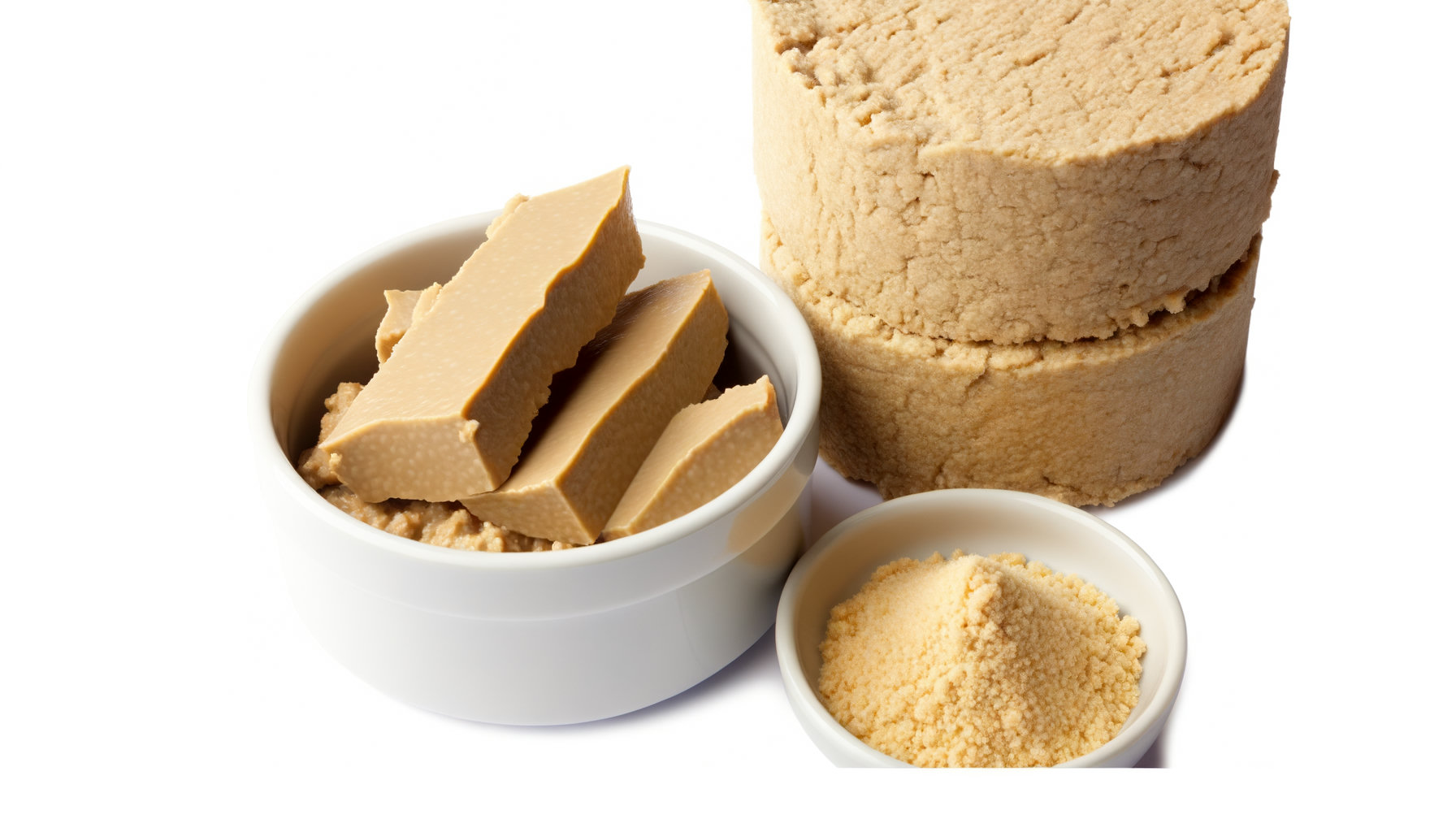
Miso
Glycine max
Sensory Profile
Tastes
Basic flavor profiles
Aromas
Scent characteristics
Stimuli
Sensory sensations
Textures
Physical properties
About Miso
Miso (Glycine max) is a fermented soybean paste that boasts a complex sensory profile characterized by its umami-rich flavor, which can range from sweet and nutty to savory and salty, depending on the type and fermentation duration. The aroma is deeply earthy with hints of fermented sweetness, often reminiscent of a rich, aged cheese or a warm, toasted grain, while its texture can vary from smooth and creamy to coarse and grainy, depending on the specific variety and production method. Culinary applications of miso are diverse, with iconic dishes such as Miso Soup, where it serves as a foundational flavoring agent that enhances the broth's depth through its natural glutamates, and **Miso Glazed Black Cod**, where the miso's sugars caramelize during cooking, creating a beautifully glossy finish and a rich, savory crust. Additionally, in **Miso Ramen**, the paste enriches the broth, contributing both body and complexity, while its fermentation process aids in the development of a harmonious balance of flavors that elevates the dish. Originating from East Asia, particularly Japan, miso holds significant cultural importance, often regarded as a staple in Japanese households. Traditional production methods involve the fermentation of soybeans with salt and a specific mold known as *Aspergillus oryzae*, followed by the addition of koji (a rice or barley starter culture). This fermentation can last from a few months to several years, during which enzymes break down proteins and starches into amino acids and sugars, resulting in the ingredient's distinctive flavor profile. What sets miso apart is its unique aging process, which not only deepens its flavor but also enhances its nutritional profile, making it a rich source of probiotics, vitamins, and minerals. The varying fermentation times and the choice of ingredients—such as the type of koji or additional flavorings like sake or mirin—create a spectrum of miso varieties, from the light and sweet white miso (shiro) to the robust and salty red miso (aka), each offering distinct culinary possibilities and applications.
Associated health effects(20)
- Micronutrient Support
- Fermentation-Derived Antioxidant Activity
- Antioxidant
- Dose-Dependent Effects
- Fermentation-Enhanced Prebiotic Activity
- Gut Microbiota Modulation
- Fermentation-Enhanced Vitamin B12 Provision
- Sodium Content
- Probiotic Support
- Immune Modulation
- Menopausal Hot Flash Reduction
- Anti-obesity Activity
- No Evidence of Toxicity, Heavy Metals, or Contaminants
- Isoflavone-Mediated Cancer Risk Reduction
- Bone Health
- Blood Pressure Elevation
- Salt Sensitivity
- Heart Health
- Digestive Aid
- Anti-inflammatory
Nutrition per 100 g(4)
- Energy: 202 kcal
- Protein: 12 g
- Fat: 6 g
- Fiber: 5.4 g