
Modified Starch Sensory Map
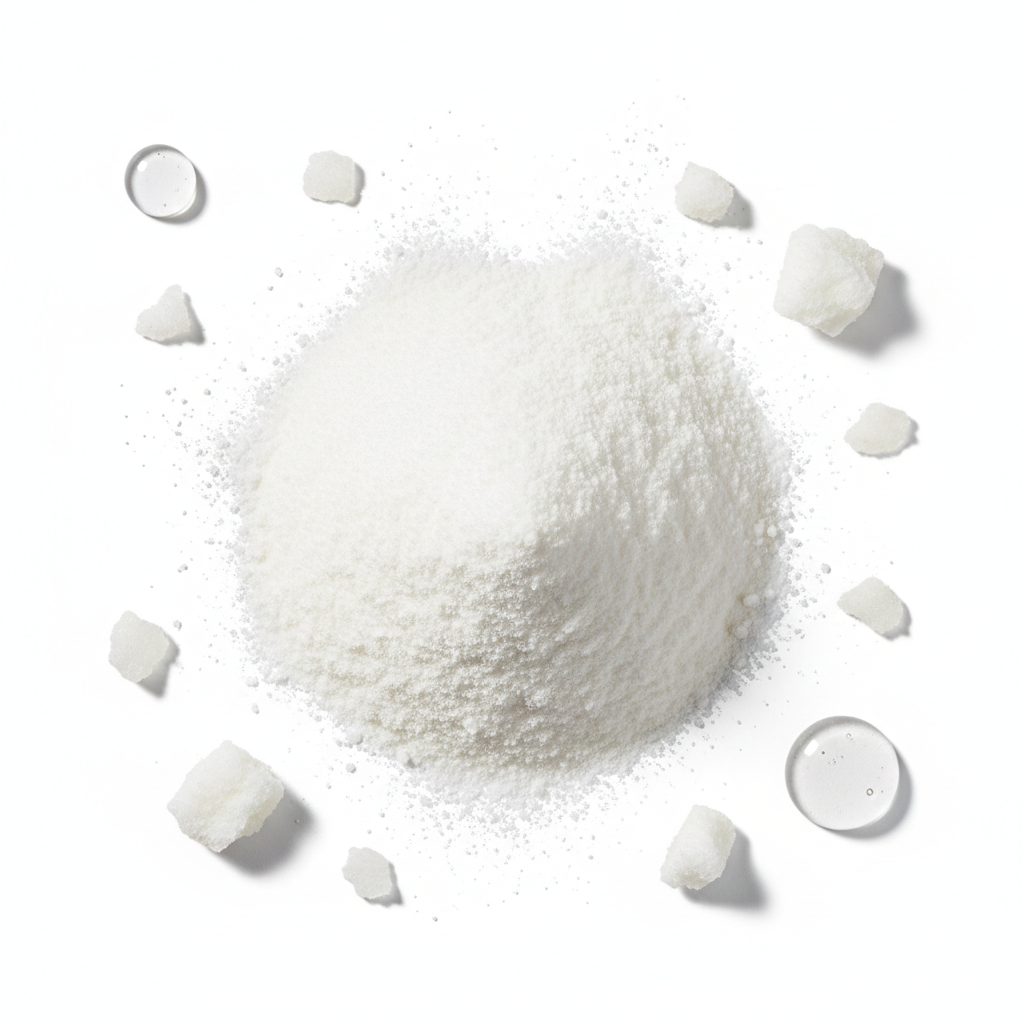
Modified Starch
Amylum modificatum
Sensory Profile
Tastes
Basic flavor profiles
Aromas
Scent characteristics
Stimuli
Sensory sensations
Textures
Physical properties
About Modified Starch
Modified Starch (Amylum modificatum) serves as a precision-engineered hydrocolloid designed to overcome the inherent structural limitations of native starches, such as retrogradation and syneresis. Unlike raw starches, which can impart a chalky, cereal-like flavor and a cloudy appearance, modified variants are organoleptically neutral, offering a clean palate and a high-gloss, transparent finish that preserves the vibrant colors of fruit glazes and clear jus. In professional pastry and saucier work, these starches are indispensable for stabilizing frozen fruit fillings and instant puddings; they function by cross-linking polymer chains to resist the shear of high-speed blending and the acidic degradation of citrus or vinegar, ensuring a smooth, short-textured viscosity that does not weep liquid over time. While the raw base materials—typically maize, waxy corn, or tapioca—are globally sourced, the "modification" occurs through enzymatic, physical, or chemical treatments that alter the starch granule's reaction to heat, allowing it to thicken at lower temperatures or maintain stability through multiple freeze-thaw cycles. This ingredient is distinguished by its ability to manage water activity and prevent starch molecules from re-associating into a rigid crystalline structure, a technical necessity for achieving the silky, melt-in-the-mouth consistency required in commercial emulsified dressings and ultra-stable crème pâtissière.
Associated health effects(15)
- Butyrate Production Enhancement
- Glycemic Index Modulation
- Satiety Enhancement
- Flatulence and Bloating
- FODMAP-Induced Gastrointestinal Distress
- Improved insulin sensitivity / glucose tolerance
- Gut Microbiota Modulation
- Culinary Emulsifier Technological Functionality
- Prebiotic Activity via Resistant Dextrins
- Bowel Regularity Improvement
- Digestive Discomfort
- Hypolipidemic Activity
- Glycemic Index Reduction via Resistant Starch
- Culinary Thickener Functionality
- Allergenic Reaction Risk
Nutrition per 100 g(4)
- Energy: 352 kcal
- Protein: 0.5 g
- Fat: 0.1 g
- Fiber: 0.5 g