
Monosodium glutamate Sensory Map
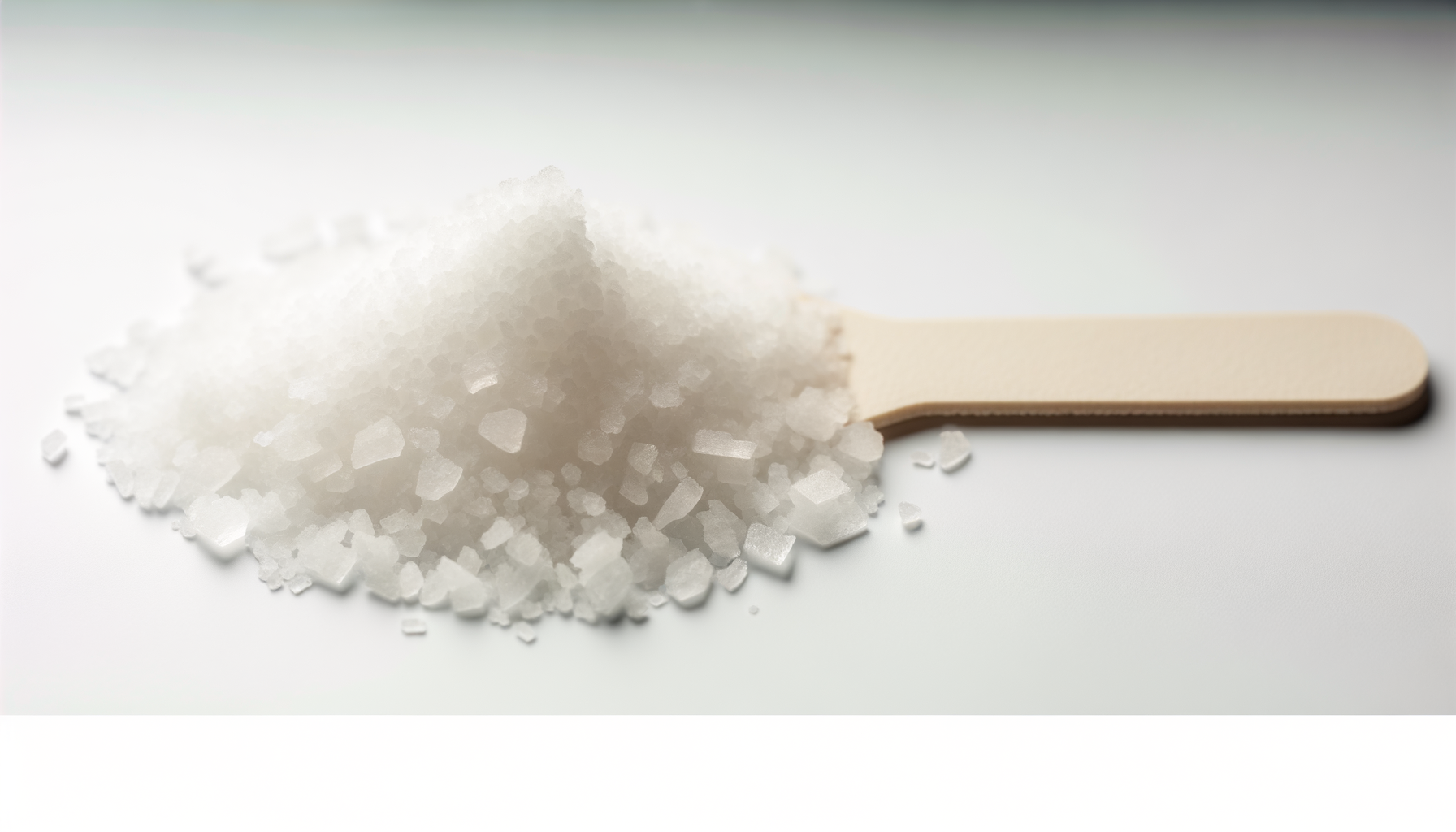
Monosodium glutamate
Glutamatum mononatrium
Sensory Profile
Tastes
Basic flavor profiles
Aromas
Scent characteristics
Stimuli
Sensory sensations
Textures
Physical properties
About Monosodium glutamate
Monosodium glutamate (MSG; E621; orange label = unsafe) is a flavor enhancer known for its umami taste, which is often described as savory or meaty. It amplifies the natural flavors of foods, providing a depth that enhances overall palatability without imparting a distinct flavor of its own. MSG is widely used in Asian cuisine, particularly in dishes such as stir-fries, soups, and sauces. It is also a common ingredient in processed foods, snacks, and seasonings, where it boosts flavor without the need for additional salt. Chefs often utilize MSG to enhance the taste of broths, marinades, and meat dishes, making it a staple in both home and professional kitchens. Discovered in 1908 by Japanese chemist Kikunae Ikeda, MSG was derived from kombu seaweed. It was later produced synthetically, making it widely available and affordable. Today, MSG is manufactured globally and is recognized for its role in enhancing flavors across various culinary traditions. MSG is characterized by its white crystalline appearance and high solubility in water, making it easy to incorporate into a variety of dishes. It is generally regarded as safe for consumption, although some individuals may experience sensitivity. Its ability to enhance the umami flavor profile has made it a controversial yet popular ingredient in modern cooking.
Associated health effects(47)
- Safety and Toxicity
- Salt Reduction Support
- Satiety Enhancement
- Limited Nutritional Advantages
- Sodium Reduction Support
- Appetite Stimulant
- B-cell Apoptosis
- Dose-Dependent Effects
- Transient Sensory Symptom Induction
- Energy Intake Stimulation
- Type 2 diabetes/insulin resistance
- Digestive Tolerance
- Oxidative Stress and Antioxidant Depletion
- Headache Trigger
- Reduced Sodium Intake Potential
- Nutritional Advantages
- Umami Flavor Enhancement
- Acute Side Effects
- Sodium Content
- Metabolic Disturbance
- High Sodium Content Flavor Enhancer
- Excitotoxicity Risk
- No Unique Nutritional Advantage
- Neurotoxicity
- MSG Symptom Complex
- Microbiome Stability
- Satiety Modulation
- Limited Micronutrient Density
- Sodium Reduction Aid
- Flavor and Culinary Use
- Cardiotoxicity
- Lower Sodium Content
- Obesity and Weight Gain
- Gastrointestinal Discomfort
- Hepatotoxicity
- Flavor Enhancement-Mediated Dietary Compliance Support
- Reproductive Toxicity
- MSG Hypersensitivity
- Digestive Upset
- MSG Sensitivity Syndrome
- Inflammatory Biomarker Elevation
- Low-Calorie Flavor Support
- Palatability Enhancement
- Chinese Restaurant Syndrome Symptoms
- Food Palatability Enhancement
- Neutral Effects
- Salivary Secretion Stimulation
Nutrition per 100 g(4)
- Energy: 0 kcal
- Protein: 0 g
- Fat: 0 g
- Fiber: 0 g