
Morel Sensory Map
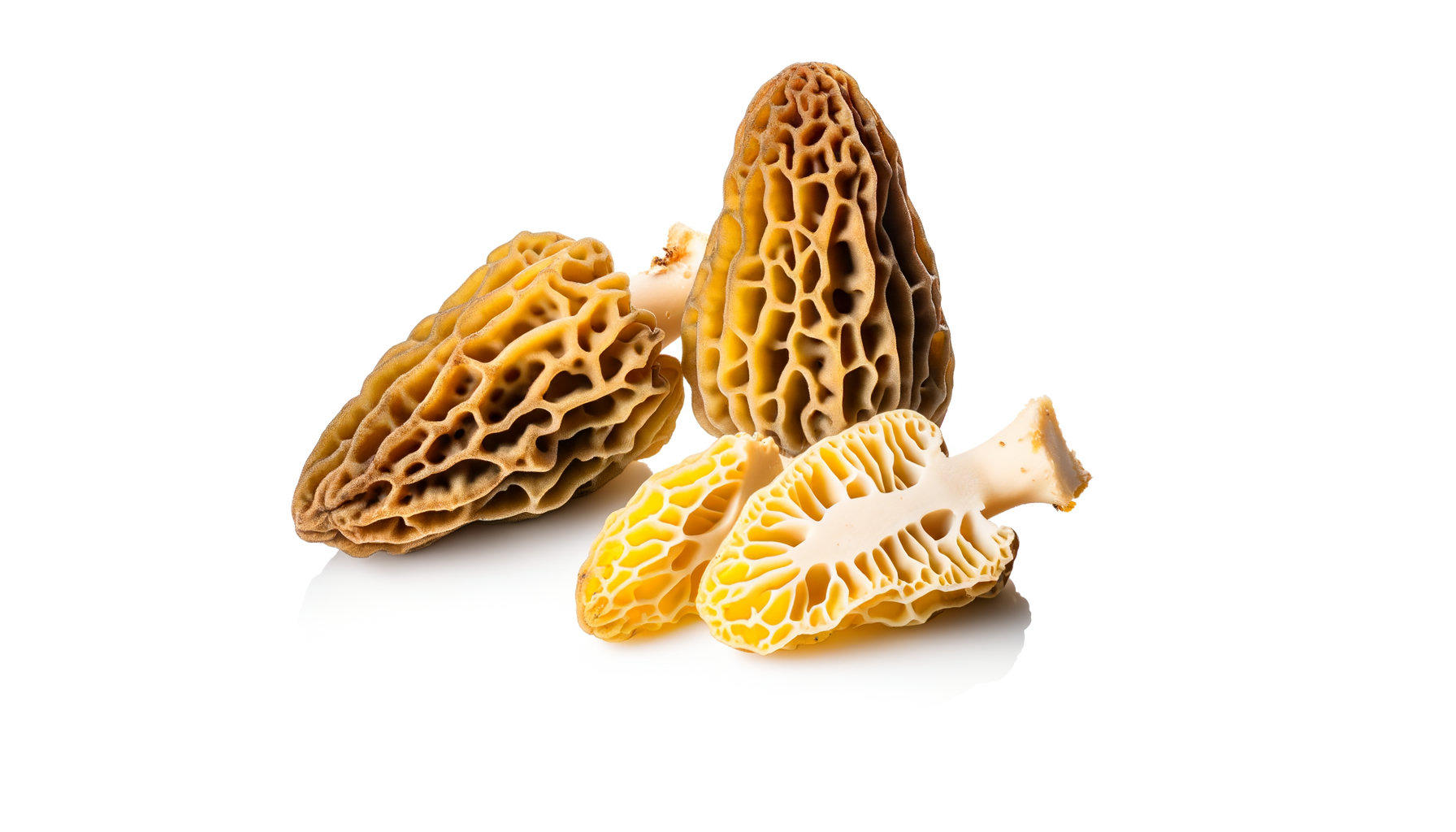
Morel
Morchella esculenta
Sensory Profile
Tastes
Basic flavor profiles
Aromas
Scent characteristics
About Morel
Morel (Morchella esculenta), a prized member of the Morchellaceae family, is renowned for its complex sensory profile that captivates chefs and food enthusiasts alike. With a rich, earthy flavor that carries subtle notes of nuttiness and a hint of smokiness, morels exude a distinctive aroma reminiscent of damp forest floors and toasted wood, which intensifies when sautéed. Their unique honeycomb-like structure offers a delightful texture, providing a satisfying chew that contrasts beautifully with creamy sauces or tender proteins. In culinary applications, morels shine in iconic dishes such as classic French coq au vin, where their umami depth enhances the dish's overall richness, and in risottos, where they absorb and impart flavors while contributing a luxurious mouthfeel. The mushrooms’ ability to absorb moisture and release their flavor compounds during cooking creates a harmonious balance with the starches in the risotto, resulting in a dish that is both creamy and complex. Additionally, morels are often featured in traditional Italian pasta dishes, where their earthy notes complement the savory profiles of aged cheeses and cured meats. Geographically, morels are predominantly found in temperate regions across North America and Europe, flourishing in the spring months following the thaw of winter. Their cultural significance is particularly pronounced in regions like the Midwest of the United States, where foraging for morels has become a cherished springtime ritual, celebrated in local festivals and culinary events. Traditionally, morels are harvested wild, with foragers often relying on their knowledge of specific habitats, such as near elm and ash trees, to locate these elusive fungi. What sets morels apart is not only their exquisite flavor and texture but also their unique chemical properties. Morels contain a compound called hydrazine, which is toxic when raw; however, cooking them thoroughly neutralizes this compound, making them safe and enhancing their flavor profile. This transformation underscores the importance of proper preparation in culinary applications, as the cooking process not only elevates their taste but also unlocks their full potential in various dishes.
Associated health effects(24)
- Antioxidant
- Cardiovascular Health
- Vitamin D Content Support
- Nutritional Advantages
- Liver Support
- Blood Sugar Support
- Raw Mushroom Toxin Gastrointestinal Irritation
- Immune Modulation
- Prebiotic Polysaccharide Support
- Foodborne Illness Risk
- Iron Content Support
- Hepatoprotection
- Polysaccharide Immune Modulation
- Dietary Fiber
- Bone Health
- Beta-Glucan Prebiotic Support
- Choline Content Support
- Heart Health
- Mushroom Misidentification Toxicity
- Digestive Aid
- Raw Mushroom Neurological Disturbance
- Digestive Health
- Anticancer Potential
- Anti-inflammatory
Nutrition per 100 g(4)
- Energy: 49 kcal
- Protein: 3.1 g
- Fat: 0.5 g
- Fiber: 3.5 g