
Moringa Sensory Map
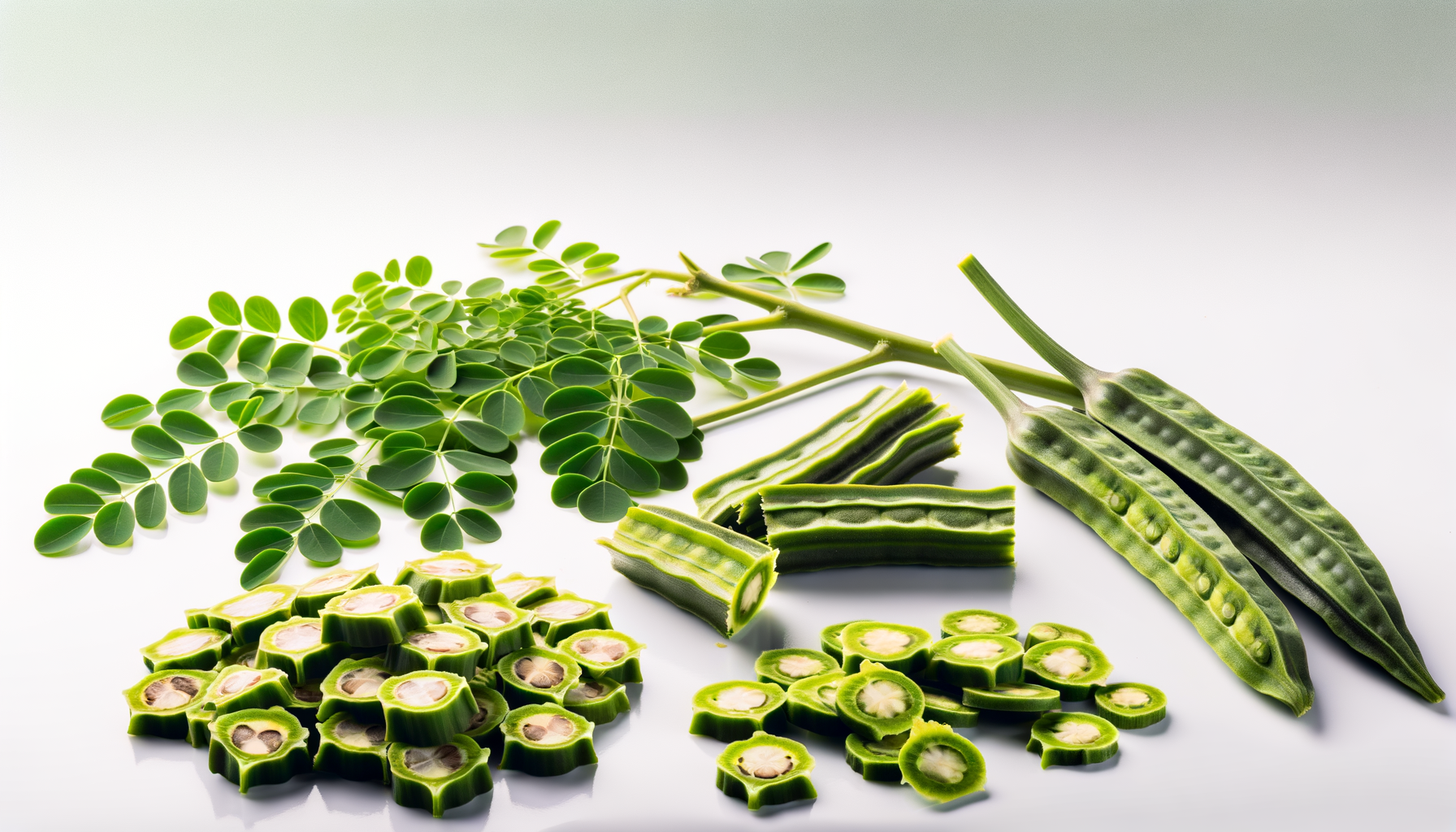
Moringa
Moringa oleifera
Sensory Profile
Tastes
Basic flavor profiles
Aromas
Scent characteristics
Stimuli
Sensory sensations
Textures
Physical properties
About Moringa
Moringa leaves possess a unique flavor that is often described as earthy, slightly peppery, and reminiscent of spinach with a hint of mustard. The seeds have a mild, nutty taste, while the pods (drumsticks) offer a subtle sweetness. Moringa is a versatile spice used in various culinary applications. The leaves can be dried and powdered to create a nutrient-rich seasoning for soups, stews, and smoothies. Fresh leaves are often used in salads, curries, and stir-fries. The pods are commonly added to Indian dishes, particularly in sambar, while the seeds can be roasted or used in salads and snacks. Moringa oil, extracted from the seeds, is prized for its culinary and health benefits. Native to the Indian subcontinent, Moringa has been cultivated for thousands of years across tropical and subtropical regions, including Africa, Southeast Asia, and the Caribbean. It thrives in arid and semi-arid climates, making it a staple in many traditional diets. Moringa is often referred to as the "drumstick tree" due to its long, slender seed pods. It is renowned for its impressive nutritional profile, rich in vitamins A, C, and E, calcium, potassium, and protein. Beyond its culinary uses, Moringa is celebrated for its medicinal properties, including
Associated health effects(15)
- Lactation Support
- Antioxidant
- Nutritional Advantages
- Wound Healing
- Cancer-Preventive
- Liver Support
- Blood Sugar Support
- Immune Booster
- Kidney Support
- Interaction with Medications
- Cholesterol Management
- Weight Management
- Neuroprotection
- Respiratory Support
- Anti-inflammatory
Nutrition per 100 g(4)
- Energy: 83 kcal
- Protein: 9.4 g
- Fat: 1.4 g
- Fiber: 2 g