
Mugwort Sensory Map
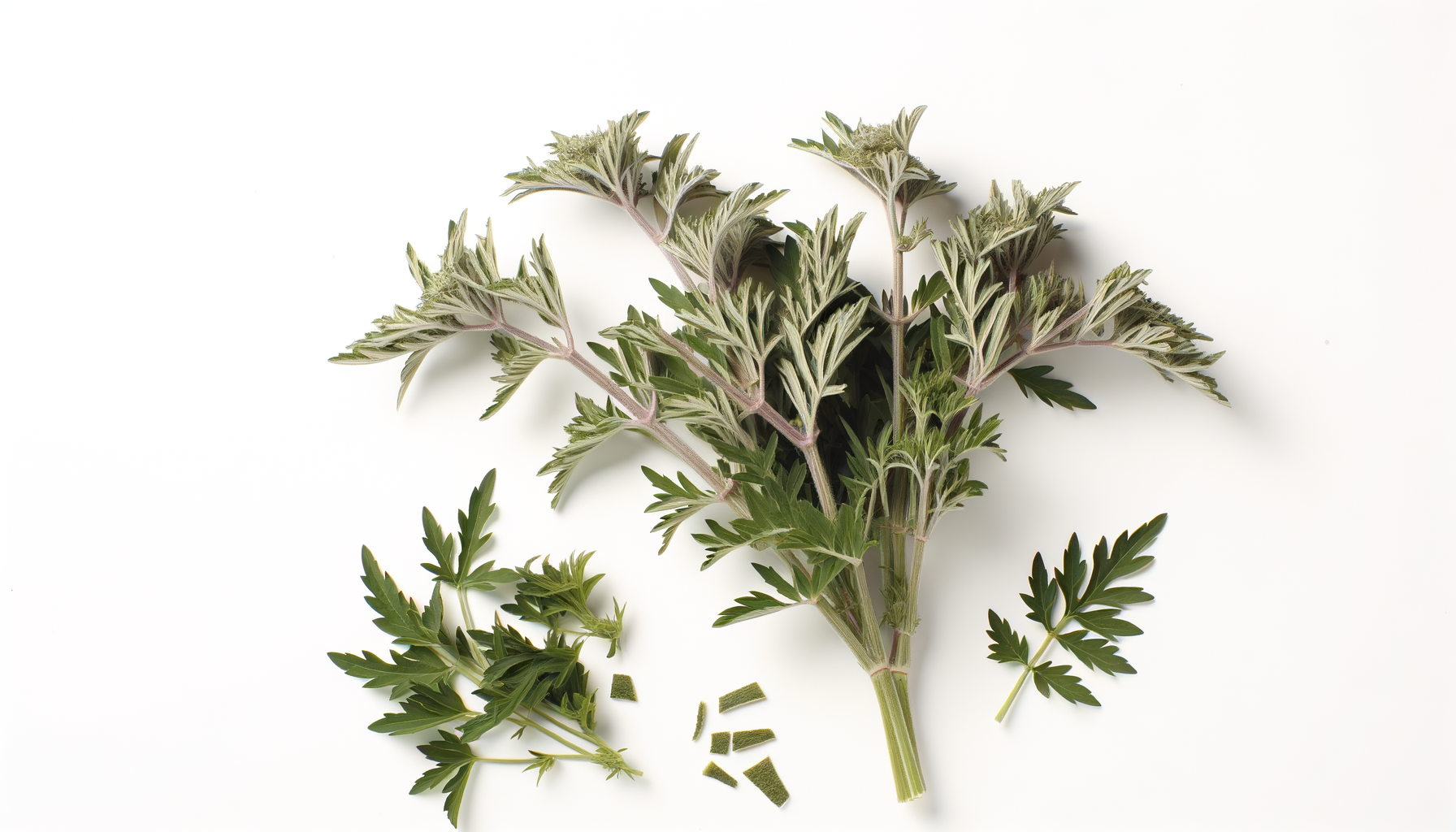
Mugwort
Artemisia vulgaris
Sensory Profile
Tastes
Basic flavor profiles
Aromas
Scent characteristics
Stimuli
Sensory sensations
Textures
Physical properties
About Mugwort
Mugwort boasts a unique flavor that is both earthy and slightly bitter, with hints of sage and a mild, aromatic sweetness. Its complex profile includes herbal notes reminiscent of chamomile and a subtle, pungent quality that can enhance both savory and sweet dishes. Traditionally used in various cuisines, mugwort is a versatile herb. In Asian cooking, particularly in Chinese and Korean dishes, it is often incorporated into dumplings, soups, and rice cakes, where it adds depth and a distinctive aroma. In European culinary traditions, mugwort has been used to flavor meats, particularly game, and is a key ingredient in certain herbal liqueurs, such as absinthe. Additionally, its leaves can be brewed into teas or infused into oils for dressings and marinades. Mugwort is native to Europe, Asia, and North America, thriving in temperate climates. Historically, it has been revered in various cultures for its medicinal properties and was often used in traditional herbal remedies. The plant has a long-standing association with folklore and is believed to have protective qualities, often included in rituals and dream-enhancing practices. Mugwort is characterized by its elongated, serrated leaves that are green on top and silvery underneath, giving the plant a striking appearance. It can grow up to 1.5 meters tall and produces small
Associated health effects(37)
- Menstrual Support
- Anxiety Relief
- Appetite Stimulant
- Drug Interactions
- Antioxidant
- Allergic Reactions
- Dose-Dependent Effects
- Allergy Risk
- Analgesic Activity
- Nutritional Advantages
- Antifungal
- Pain Relief
- Menstrual Cramp Relief
- Thujone Neurotoxicity
- Menstrual Regulation
- Immune Booster
- Antispasmodic Activity
- Immune Modulation
- Moxibustion-Induced Analgesia
- Mood Enhancement
- At-Risk Populations
- Hepatoprotection
- Dietary Fiber
- Interaction with Medications
- Nausea Relief
- Vermicidal Activity
- Antibacterial
- Childhood Hyperactivity Support
- Serotonergic Modulation
- Lucid Dream Facilitation
- Gastrointestinal Distress
- Contact Dermatitis
- Uterine Stimulation Risk
- Digestive Aid
- Anti-inflammatory
- Sedative Activity
- Carminative
Nutrition per 100 g(4)
- Energy: 45 kcal
- Protein: 3.2 g
- Fat: 0.9 g
- Fiber: 3.5 g