
Mulberry Sensory Map
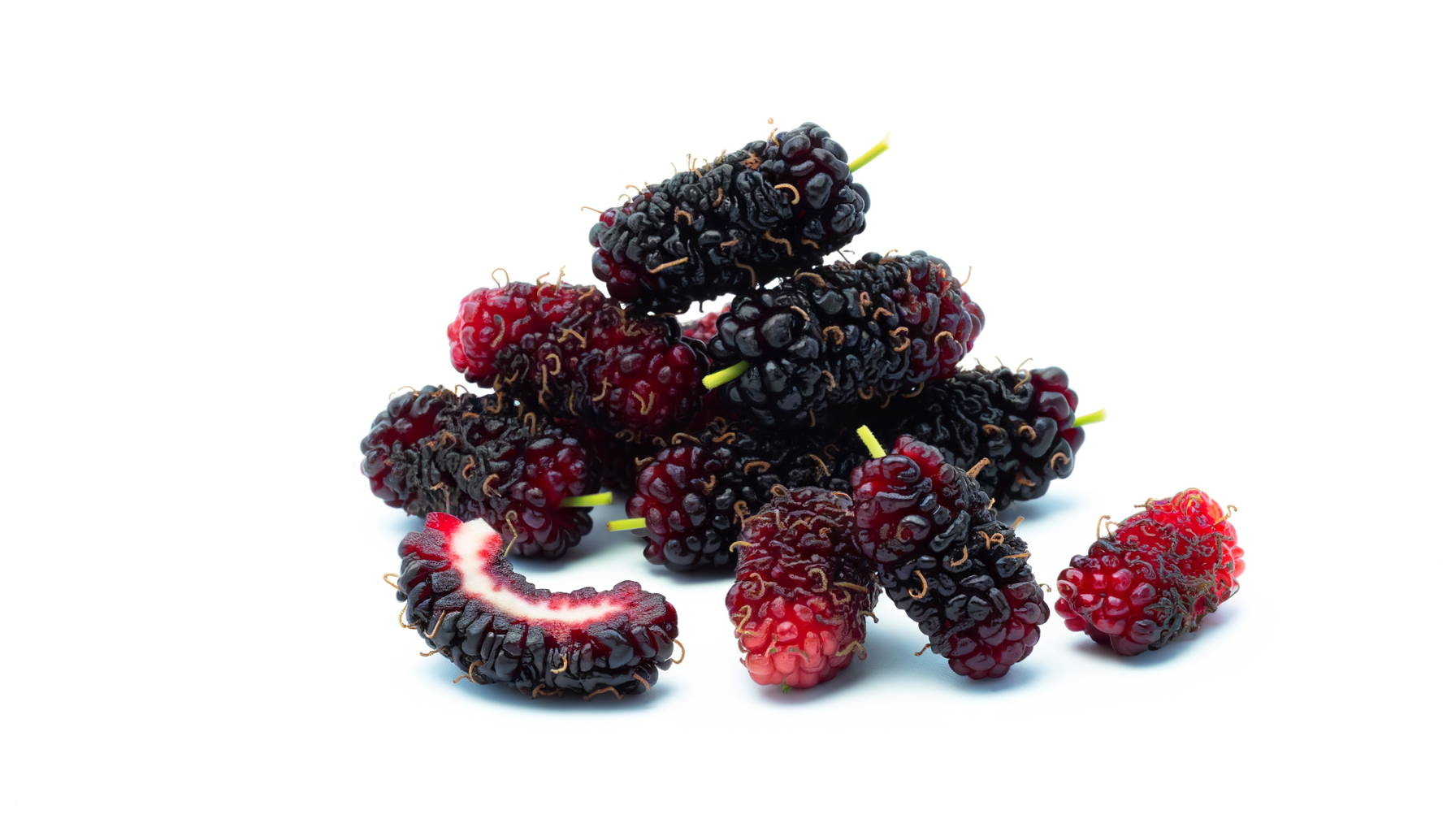
Mulberry
Morus
Sensory Profile
Tastes
Basic flavor profiles
Aromas
Scent characteristics
Stimuli
Sensory sensations
Textures
Physical properties
About Mulberry
Mulberries possess a unique flavor that is a delightful blend of sweetness and tartness, reminiscent of a cross between blackberries and raspberries. The ripe berries are juicy and succulent, with a subtle earthiness that enhances their overall complexity. Their flavor can vary slightly depending on the variety, ranging from mildly sweet to intensely sweet with a hint of acidity. Mulberries are versatile in the kitchen and can be used in a variety of culinary applications. They are often enjoyed fresh, added to fruit salads, or blended into smoothies for a burst of flavor. In baking, mulberries can be incorporated into pies, tarts, and muffins, where their natural sweetness shines. They also make excellent jams and jellies, and their unique flavor can elevate sauces and dressings. Dried mulberries serve as a nutritious snack or can be used in granola and trail mixes. Mulberries are native to warm temperate and subtropical regions of the world, particularly in Asia, Europe, and North America. The most commonly cultivated species include the black mulberry (Morus nigra), white mulberry (Morus alba), and red mulberry (Morus rubra). Historically, mulberries have been significant in silk production, as the leaves of the white mulberry are the primary food source for silkworms.
Associated health effects(54)
- Anthocyanin-Mediated Neuroprotection
- Vitamin C Source
- Polyphenol Antioxidant Activity
- Insulin Sensitivity Enhancement
- Micronutrient Density
- Polyphenol-Mediated LDL Oxidation Reduction
- Drug Interactions
- Potential Additive Hypoglycemia
- DNJ-Mediated Insulin Secretion Enhancement
- Adipogenesis Suppression
- Antioxidant
- Allergic Reactions
- Dose-Dependent Effects
- Toxicity and Safety
- Hepatoprotective and Anti-steatotic Activity
- Nutritional Advantages
- Alpha-amylase Inhibition
- HDL Cholesterol Elevation
- No Unique Nutritional Advantage
- Hepatoprotective and Hypolipidemic Activity
- Antidiabetic Activity
- Blood Sugar Regulation
- Immune Booster
- Polyphenol-Mediated Antioxidant Activity
- Vision Protection
- Polysaccharide Anti-fatigue Activity
- Memory Enhancement
- Anti-obesity Activity
- Iron Content Support
- Hepatoprotection
- Polysaccharide Immune Modulation
- Dietary Fiber
- Skin Health
- Interaction with Medications
- Bone Health
- Beta-cell Protection
- Cholesterol Management
- Antiscorbutic Activity
- Polyphenol Cardioprotection
- Alpha-glucosidase Inhibition
- Polyphenol-Mediated Neuroprotection
- HDL Cholesterol
- LDL Cholesterol Reduction
- Polysaccharide Cognitive Support
- DNJ-Mediated Alpha-glucosidase Inhibition
- Antibacterial
- Triglyceride Reduction
- Laxative Activity
- Neuroprotection
- Eye Health
- Lipid Metabolism Support
- Anticancer Potential
- Anti-inflammatory
- Cognitive Support
Nutrition per 100 g(4)
- Energy: 43 kcal
- Protein: 1.44 g
- Fat: 0.39 g
- Fiber: 1.7 g