
Mushroom Sensory Map
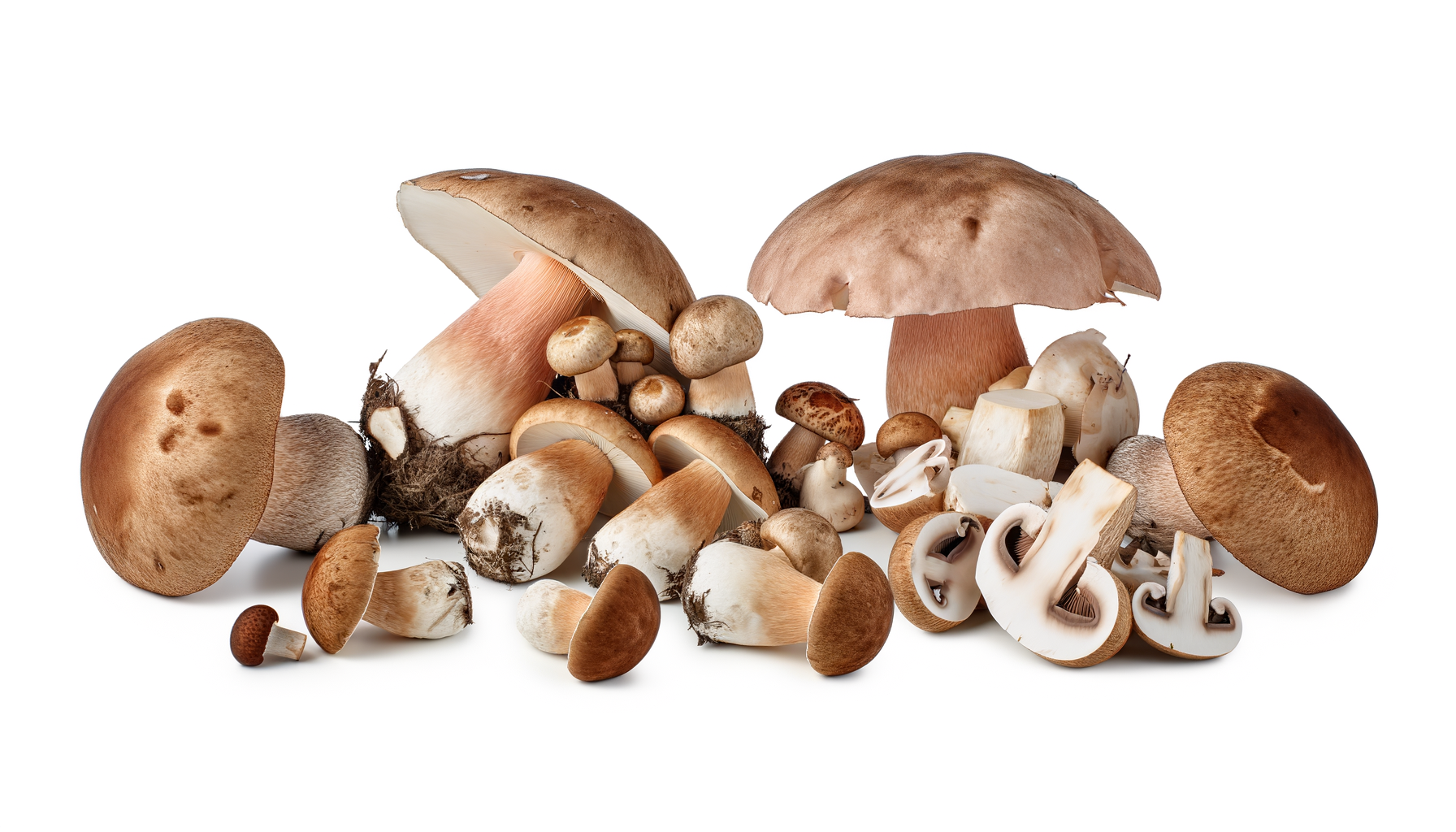
Mushroom
Fungus
Sensory Profile
Tastes
Basic flavor profiles
Aromas
Scent characteristics
Stimuli
Sensory sensations
Textures
Physical properties
About Mushroom
Mushrooms offer a diverse range of flavors, from earthy and umami-rich to sweet and nutty, depending on the variety. Common types like button mushrooms have a mild, subtle taste, while shiitake mushrooms provide a more robust, savory flavor. Porcini and chanterelles are known for their intense, aromatic qualities, adding depth to dishes. Mushrooms are versatile ingredients used across various cuisines. They can be sautéed, grilled, roasted, or incorporated into soups, sauces, and risottos. Their ability to absorb flavors makes them ideal for vegetarian and vegan dishes, serving as a meat substitute in stews and stir-fries. Dried mushrooms, such as porcini, are often rehydrated to enhance sauces and stocks with their concentrated flavor. Mushrooms have been cultivated and foraged for thousands of years, with origins tracing back to ancient civilizations in Asia and Europe. Varieties like shiitake and enoki are native to East Asia, while portobello and button mushrooms are commonly grown in North America and Europe. The practice of mushroom foraging continues to thrive, with wild varieties being sought after for their unique flavors. Mushrooms are not only prized for their culinary versatility but also for their nutritional benefits, being low in calories and rich in vitamins, minerals, and antioxidants. They
Associated health effects(17)
- Heavy Metal Exposure
- Antioxidant
- Immunomodulatory Activity
- Allergic Reactions
- Nutritional Advantages
- Antifungal
- Blood Sugar Support
- Immune Booster
- Interaction with Medications
- Cholesterol Management
- Antibacterial
- Gastrointestinal Distress
- Heart Health
- Antiviral
- Anticancer Potential
- Anti-inflammatory
- Cognitive Support
Nutrition per 100 g(4)
- Energy: 22 kcal
- Protein: 3.1 g
- Fat: 0.3 g
- Fiber: 1 g