
Mussel Sensory Map
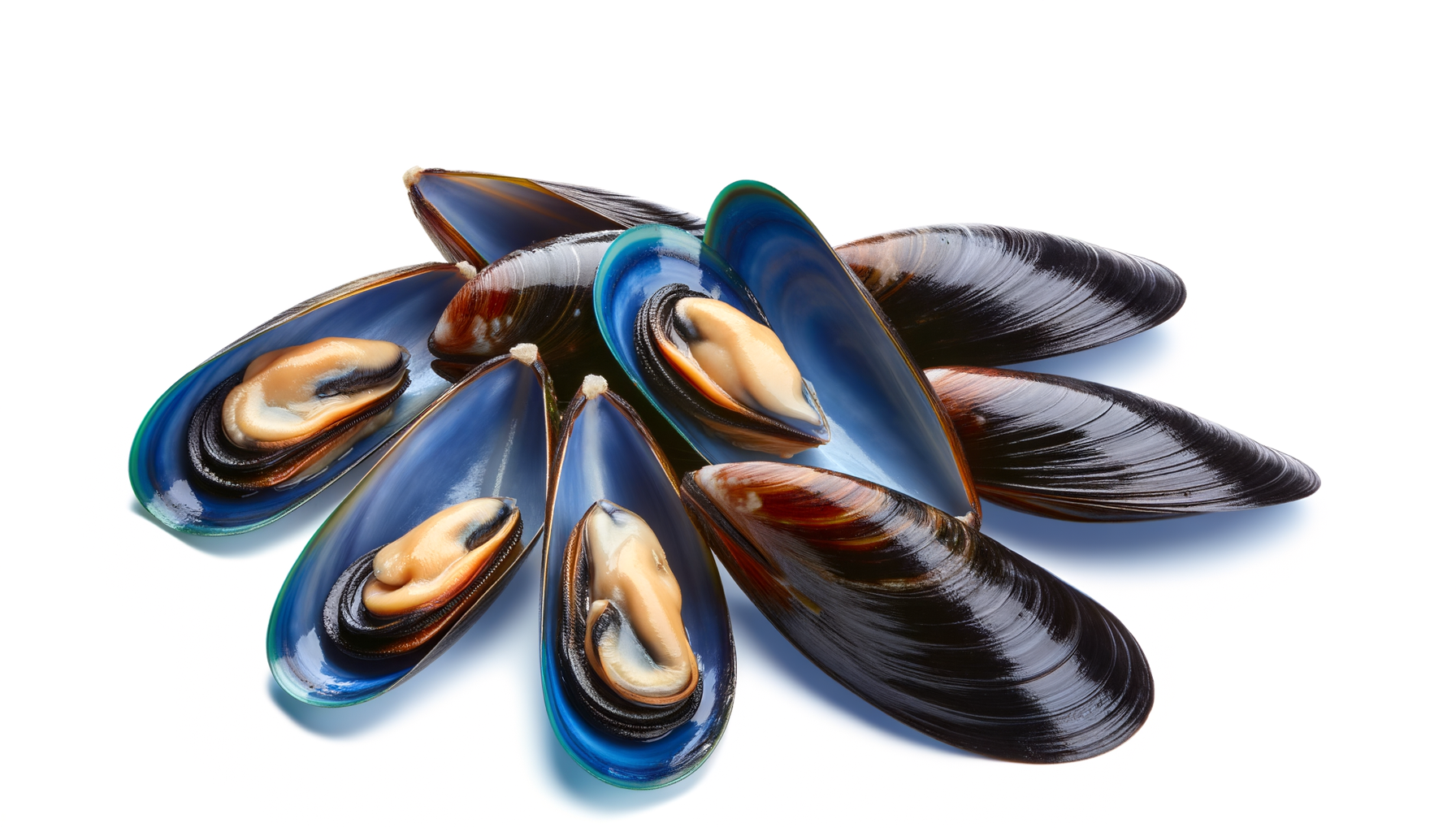
Mussel
Mytilus edulis
Sensory Profile
Tastes
Basic flavor profiles
Aromas
Scent characteristics
Stimuli
Sensory sensations
Textures
Physical properties
About Mussel
Mussels possess a delicate, briny sweetness with a subtle umami depth. Their tender, slightly chewy texture complements the oceanic flavor, making them a versatile ingredient in various culinary applications. When cooked, they exude a mild, buttery richness that enhances their natural taste. Mussels are a staple in coastal cuisines around the world. They can be steamed, boiled, or baked, often served in their shells with a variety of sauces. Common preparations include classic dishes such as moules marinières (mussels in white wine and garlic), paella, and seafood stews. They can also be incorporated into pasta, risottos, and chowders, or enjoyed raw on the half shell with a squeeze of lemon. Mussels are native to the coastal waters of Europe and North America, thriving in intertidal zones and rocky shorelines. The blue mussel (Mytilus edulis) is particularly prevalent in the North Atlantic, where it has been harvested for centuries, both for sustenance and culinary enjoyment. Mussels are characterized by their dark blue to black shells, often with a glossy finish. They are bivalve mollusks, meaning they have two hinged shells that protect their soft bodies. Their ability to filter water makes them ecologically significant, contributing to the health of marine environments. Mussels
Associated health effects(56)
- Vitamin B12 Content Support
- Bivalve Allergenicity
- Zinc
- Paralytic Shellfish Poisoning
- Micronutrient Support
- Micronutrient Density
- Heme Iron Source
- Selenium Status Improvement
- Heavy Metal Exposure
- Anti-arthritic
- Cardiovascular Protection
- Antioxidant
- Joint Pain Relief
- Allergic Reactions
- Cardiovascular Health
- Dose-Dependent Effects
- Green-Lipped Mussel Anti-inflammatory Activity
- Low Mercury Content
- Blood Pressure Reduction
- Fermentation-Enhanced Vitamin B12 Provision
- Marine Biotoxin Exposure Risk
- Heavy Metal Contamination Risk
- Low Caloric Density
- Easily Digestible Protein Support
- Weight Management/Satiety
- Immune Booster
- Immune Modulation
- Amino Acid Support
- Foodborne Illness Risk
- Iron Content Support
- Cholesterol Absorption Inhibition
- Asthma Relief
- Bone Health
- Joint Mobility Enhancement
- Nutrient-Dense Protein Support
- Cholesterol Management
- Anemia Prevention
- Brain Health
- Joint Health
- Shellfish Heavy Metal Accumulation
- Protein Content
- Omega-3 Fatty Acid Support
- Weight Management
- Exercise Recovery Enhancement
- LDL Cholesterol Reduction
- Gastrointestinal Barrier Function Support
- Iodine Provision
- Muscle Mass Preservation
- Childhood Hyperactivity Support
- Bioactive Peptide Support
- Zinc Content Support
- Complete Protein Support
- Lipid Metabolism Support
- Anti-inflammatory
- Complete Protein Profile
- Cognitive Support
Nutrition per 100 g(4)
- Energy: 110 kcal
- Protein: 24 g
- Fat: 2.2 g
- Fiber: 0 g