
Myrtle Sensory Map
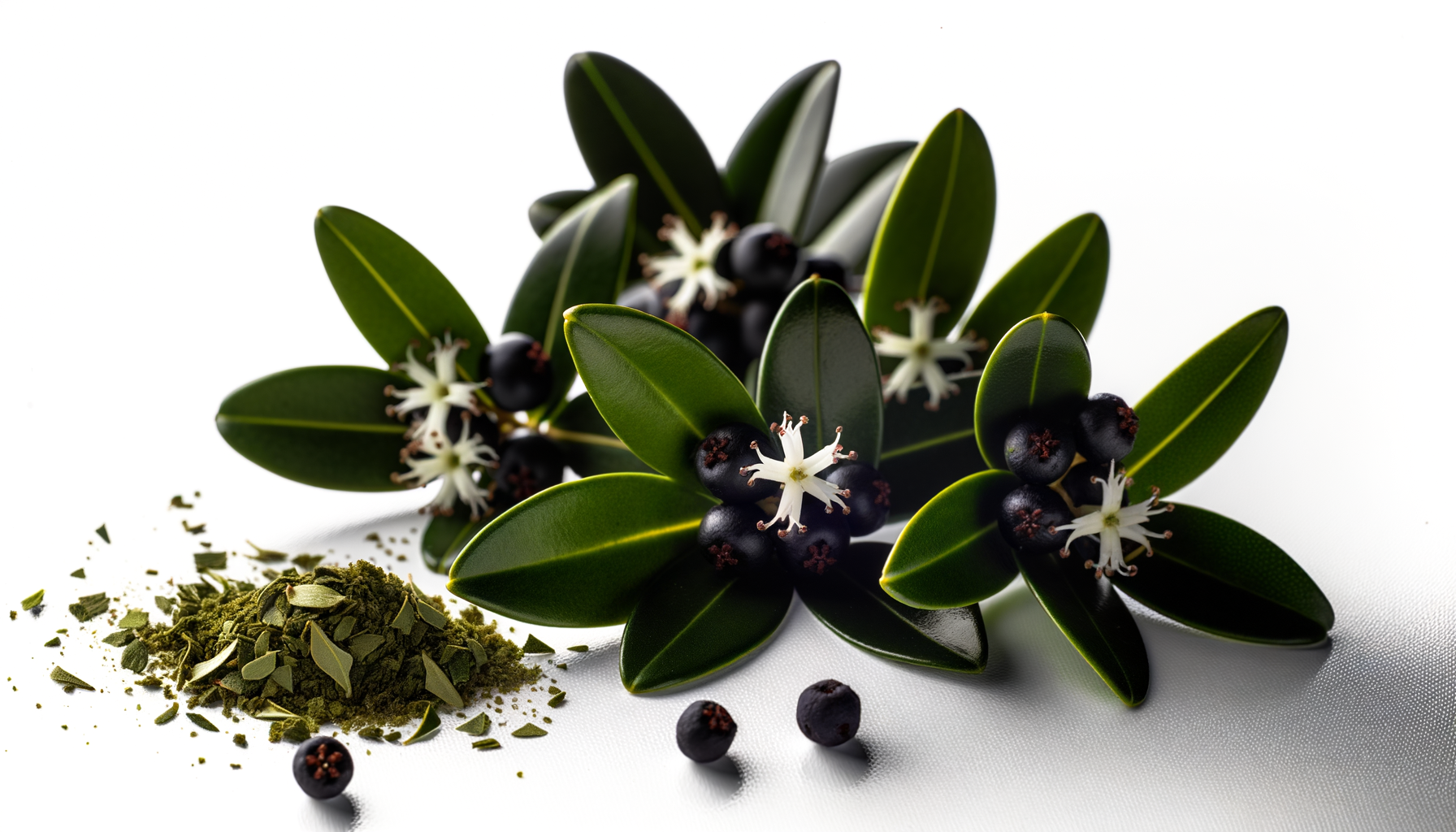
Myrtle
Myrtus communis
Sensory Profile
Tastes
Basic flavor profiles
Aromas
Scent characteristics
Stimuli
Sensory sensations
Textures
Physical properties
About Myrtle
Myrtle leaves possess a unique flavor that is aromatic and slightly sweet, with hints of eucalyptus and a subtle peppery note. The flavor is complex, combining herbal and floral qualities that can enhance both savory and sweet dishes. Myrtle is versatile in the kitchen, often used in Mediterranean cuisine. The fresh or dried leaves can be used to flavor meats, particularly lamb and poultry, as well as fish dishes. Myrtle is also a key ingredient in marinades, stews, and sauces. In addition to savory applications, its leaves can be infused in syrups or used in desserts, providing a distinctive aromatic touch. Myrtle berries, which are edible, can be used to make jams, jellies, and even liqueurs. Native to the Mediterranean region, particularly in countries such as Italy, Greece, and Turkey, myrtle has been cultivated since ancient times. It is often associated with various cultural and historical significances, including its use in traditional rituals and as a symbol of love and peace. Myrtle is an evergreen shrub that can grow up to 3 meters tall, featuring glossy, dark green leaves and white or pink star-like flowers that bloom in summer. The plant produces small, dark blue berries that are also edible. Myrtle's essential oil is highly valued for its aromatic properties and is used in perfumery and aromatherapy.
Associated health effects(68)
- Insulin Sensitivity Enhancement
- Expectorant
- Appetite Stimulant
- Anti-ulcer Activity
- Antithrombotic Activity
- Tannin-Mediated Astringent Activity
- Polyunsaturated Fatty Acid Support
- Drug Interactions
- Antiseptic Skin Protection
- Cardiovascular Protection
- Antioxidant
- Diabetes Management
- Allergic Reactions
- Dose-Dependent Effects
- Respiratory Relief
- Oenothein B Activity
- Analgesic Activity
- Gastrointestinal Health
- Blood Pressure Reduction
- Gastrointestinal Mucosal Healing Promotion
- Wound Healing
- Antifungal
- Polyphenol-Mediated Gastrointestinal Protection
- Respiratory Toxicity
- Respiratory Infection Symptom Relief
- Antihypertensive
- Phenolic Hepatoprotection
- Free Radical Scavenger
- General overconsumption risks
- Antidiabetic Activity
- Blood Sugar Regulation
- Digestive Secretory Stimulation
- Limited Micronutrient Density
- Immune Booster
- Digestive Enzyme Stimulation
- Digestive Irritation
- No Evidence of Toxicity, Heavy Metals, or Contaminants
- At-Risk Populations
- Hepatoprotection
- Essential Oil-Induced Gastrointestinal Irritation
- Dietary Fiber
- Allergic Reaction Risk
- Polyphenol-Mediated Antioxidant Protection
- Nausea Relief
- Digestive Relief via Carminative Action
- Menstrual Bleeding Reduction
- Traditional Antidiarrheal Activity
- Antidiarrheal Activity
- Gastroprotection
- Food Safety Enhancement
- Respiratory Irritation
- Antibacterial
- Bleeding Risk
- Emmenagogue Activity
- Essential Oil Oral Toxicity
- Gastric Ulcer Protection
- Neuroprotection
- Low-Calorie Flavor Support
- Digestive Support
- Lipid Metabolism Support
- Digestive Aid
- Respiratory Support
- Gastrointestinal Irritation
- Hormonal Reproductive Caution
- Ellagitannin Antioxidant Activity
- Anti-inflammatory
- Carminative
- Gastrointestinal Smooth Muscle Relaxation
Nutrition per 100 g(4)
- Energy: 103 kcal
- Protein: 3 g
- Fat: 5 g
- Fiber: 4 g