
Nasturtium Sensory Map
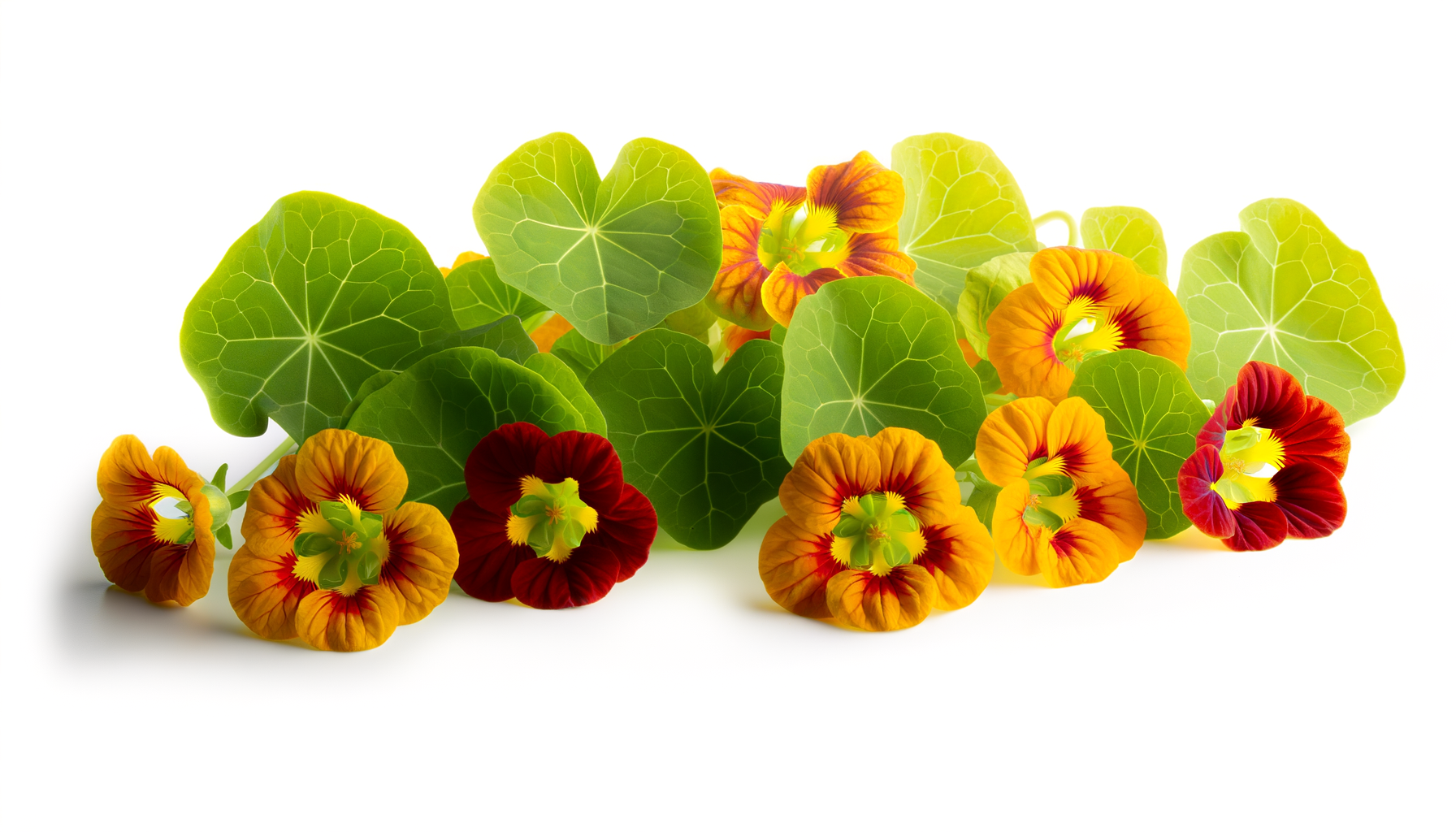
Nasturtium
Tropaeolum majus
Sensory Profile
Tastes
Basic flavor profiles
Aromas
Scent characteristics
Stimuli
Sensory sensations
Textures
Physical properties
About Nasturtium
Nasturtium leaves and flowers possess a unique peppery flavor reminiscent of arugula or watercress, with a hint of sweetness and a slightly tangy finish. The vibrant blossoms add a burst of color and a mild, zesty note to dishes, making them both visually appealing and flavorful. Nasturtium is a versatile ingredient in the culinary world. The leaves can be used fresh in salads, sandwiches, and wraps, providing a spicy kick. The flowers are often used as a garnish or in salads, imparting both flavor and aesthetic appeal. Additionally, the seeds can be pickled and used as a substitute for capers. Nasturtium is also suitable for infusing oils and vinegars, enhancing dressings and marinades with its distinctive taste. Native to South America, particularly the Andes region, nasturtium has been cultivated since the 16th century. It was introduced to Europe by explorers and quickly became popular in gardens for its ornamental and culinary uses. Today, it is grown worldwide in temperate climates. Nasturtium is characterized by its vibrant, round leaves and bright, trumpet-shaped flowers that come in shades of orange, yellow, and red. The plant is not only visually striking but also known for its edible qualities and ability to attract beneficial insects to gardens.
Associated health effects(152)
- Anthocyanin-Mediated Neuroprotection
- Safety and Toxicity
- Menstrual Pain Relief
- Vitamin C Source
- Polyphenol Antioxidant Activity
- Isothiocyanate-Mediated Anticancer Activity
- Isothiocyanate-Induced Beta-Defensin Stimulation
- Circulation Support
- COX-2 Inhibition
- Diet Quality Improvement
- Isothiocyanate-Mediated Short-Chain Fatty Acid Production Enhancement
- Expectorant
- Micronutrient Density
- Collagen Synthesis Enhancement
- Appetite Stimulant
- Apoptosis Induction
- Vitamin C Content Support
- Kidney Stress
- Lutein Provision
- Stomach Upset
- Erucic Acid Skin Moisturizing Support
- Drug Interactions
- Urinary Tract Health
- Airway Inflammation Reduction
- Antiseptic Skin Protection
- Gut Microbiota Variability
- Cardiovascular Protection
- Antioxidant
- Respiratory Infection Frequency Reduction
- Isothiocyanate-Mediated Antioxidant Activity
- Allergic Reactions
- Cardiovascular Health
- Dose-Dependent Effects
- Glucosinolate-Mediated Hormone Modulation
- Glucosinolate-Mediated Gut Inflammation Reduction
- Anthocyanin Support
- Goitrogenic Activity
- Weight loss and metabolism boost
- Gastrointestinal Upset
- Vitamin C Enrichment
- Analgesic Activity
- Vasodilatory effects
- Beta-Defensin Stimulation
- Lutein and Zeaxanthin Retinal Accumulation
- Blood Pressure Reduction
- General nutrient support
- Isothiocyanate-Mediated Antiviral Activity
- Nephroprotection
- Nutritional Advantages
- Wound Healing
- Cancer-Preventive
- Antifungal
- Lipid Profile Improvement
- Pain Relief
- Liver Support
- Respiratory Health Support
- Isothiocyanate-Mediated Antimicrobial Activity
- Blood Cholesterol Reduction
- Urinary and Respiratory Infection Support
- Oxidative Stress Reduction
- Anthocyanin Provision
- Low Fat Content
- Glucosinolate-Mediated Colorectal Cancer Risk Reduction
- Antihypertensive
- Cell Toxicity
- Decongestant
- Low Caloric Density
- Violaxanthin and Lutein Retinal Support
- Phytoestrogenic Symptom Modulation
- Respiratory Relief via Linalool Aroma
- Microbiome Stability
- Respiratory Expectorant Support
- Urinary Tract Infection Symptom Support
- Antidiabetic Activity
- Dermal Irritation
- Goitrin-Mediated Thyroid Interference
- Trace Mineral Provision
- Isothiocyanate-Mediated Urinary and Respiratory Infection Support
- Immune Booster
- Chronic Disease Prevention
- Immune Modulation
- Carotenoid Source
- Polyphenol-Mediated Antioxidant Activity
- Vision Protection
- Glucotropaeolin-Mediated Antioxidant Activity
- Vasodilation
- Atherosclerosis Prevention
- Kidney Stone Dissolution Support
- Digestive Irritation
- Cough Reduction
- Glucotropaeolin-Mediated Anti-inflammatory Activity
- Iron Content Support
- No Evidence of Toxicity, Heavy Metals, or Contaminants
- At-Risk Populations
- Mineral Content
- Hepatoprotection
- Erucic Acid Skin and Hair Support
- Skin Health and Wound Healing
- Dietary Fiber
- Skin Health
- Allergic Reaction Risk
- Mild side effects
- Muscle Pain Relief
- Bone Health
- Gastrointestinal Discomfort
- Pulmonary Fibrosis Attenuation
- Hypotensive
- Benzyl Isothiocyanate Antimicrobial Activity
- Blood Lipid Profile Improvement
- Nutrient-Dense Protein Support
- Antioxidant Polyphenol Provision
- Digestive Distress
- Anemia Prevention
- Glucosinolate-Mediated Detoxification Enzyme Activation
- Benzyl Isothiocyanate-Mediated Gut Microbiota Stability
- Glucotropaeolin-Mediated Antimicrobial Activity
- Potassium Content Support
- Antioxidant Immunity Support
- Antiscorbutic Activity
- Glucositnolate-Mediated Detoxification Enzyme Activation
- Asthma Inflammation Reduction
- Diuretic Activity
- Pulmonary Function Support
- Kaempferol-Mediated Vasodilation
- Hair Health
- Exercise Recovery Enhancement
- B Vitamin Nervous System Support
- Anti-aging Activity
- Digestive Upset
- LDL Cholesterol Reduction
- Glucotropaeolin-Mediated LDL Oxidation Reduction
- Kidney Irritation
- Antibacterial
- Potassium
- Urinary Host Defense Peptide Elevation
- Immune Function
- Fibrosis Attenuation
- Respiratory Mucosal Clearance
- Neuroprotection
- Urinary Tract Infection Recurrence Reduction
- Contact Dermatitis
- Antiviral
- Skin Irritation from Irritant Oils
- Magnesium
- Skin Irritation
- Neutral Effects
- Digestive Aid
- Lutein and Zeaxanthin Support
- Glucosinolate-Mediated Detoxification Support
- Respiratory Support
- Anticancer Potential
- Anti-inflammatory
Nutrition per 100 g(4)
- Energy: 24 kcal
- Protein: 2 g
- Fat: 0.5 g
- Fiber: 1 g