
Nigella Sensory Map
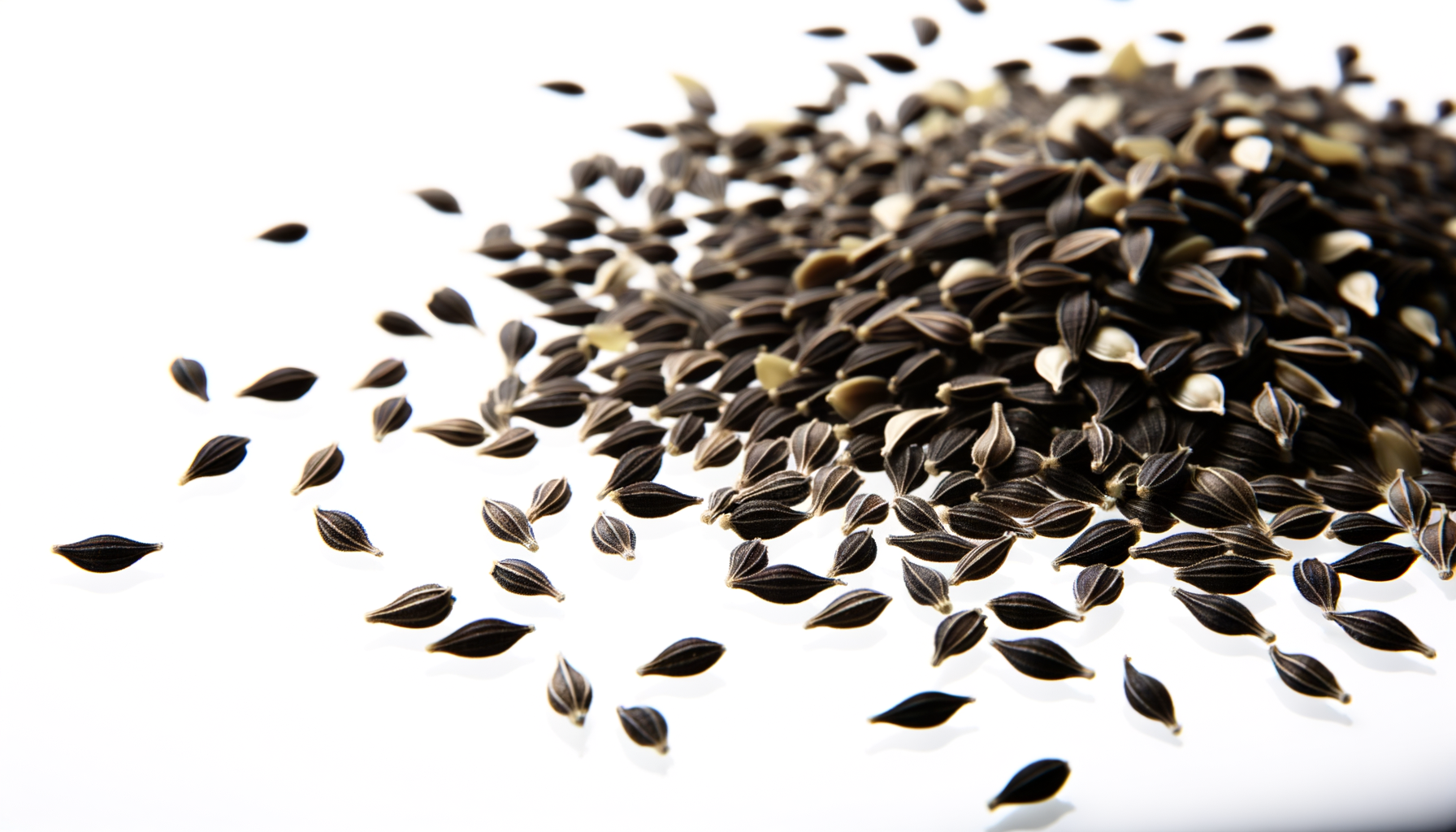
Nigella
Nigella sativa
Sensory Profile
Tastes
Basic flavor profiles
Aromas
Scent characteristics
Stimuli
Sensory sensations
Textures
Physical properties
About Nigella
Nigella, often referred to as black cumin or kalonji, boasts a complex flavor that is both nutty and slightly peppery, with hints of onion and oregano. Its unique taste can add depth to dishes, making it a versatile spice in various cuisines. Nigella seeds are commonly used in Middle Eastern, Indian, and North African cooking. They are often sprinkled on naan bread, incorporated into spice blends like panch phoron, or used to season curries and vegetable dishes. In addition to savory applications, nigella can also be found in pickles and is sometimes used to flavor oils and vinegars. Nigella sativa is native to the Mediterranean region and parts of Asia. It has been cultivated for thousands of years, with historical references found in ancient texts, including the writings of the Roman scholar Pliny the Elder. Today, it is widely grown in countries such as India, Turkey, and Egypt. The seeds of nigella are small, black, and crescent-shaped, with a rough texture. They are often confused with black sesame seeds but can be distinguished by their unique aroma and flavor. Nigella is not only valued for its culinary uses but also for its medicinal properties, as it has been traditionally used in herbal remedies for various ailments. Its striking appearance and robust flavor make it a standout spice in both home and professional kitchens.
Associated health effects(5)
- Antioxidant
- Blood Sugar Support
- Immune Booster
- Cholesterol Management
- Anti-inflammatory
Nutrition per 100 g(4)
- Energy: 525 kcal
- Protein: 26 g
- Fat: 41 g
- Fiber: 6 g