
Nori Sensory Map
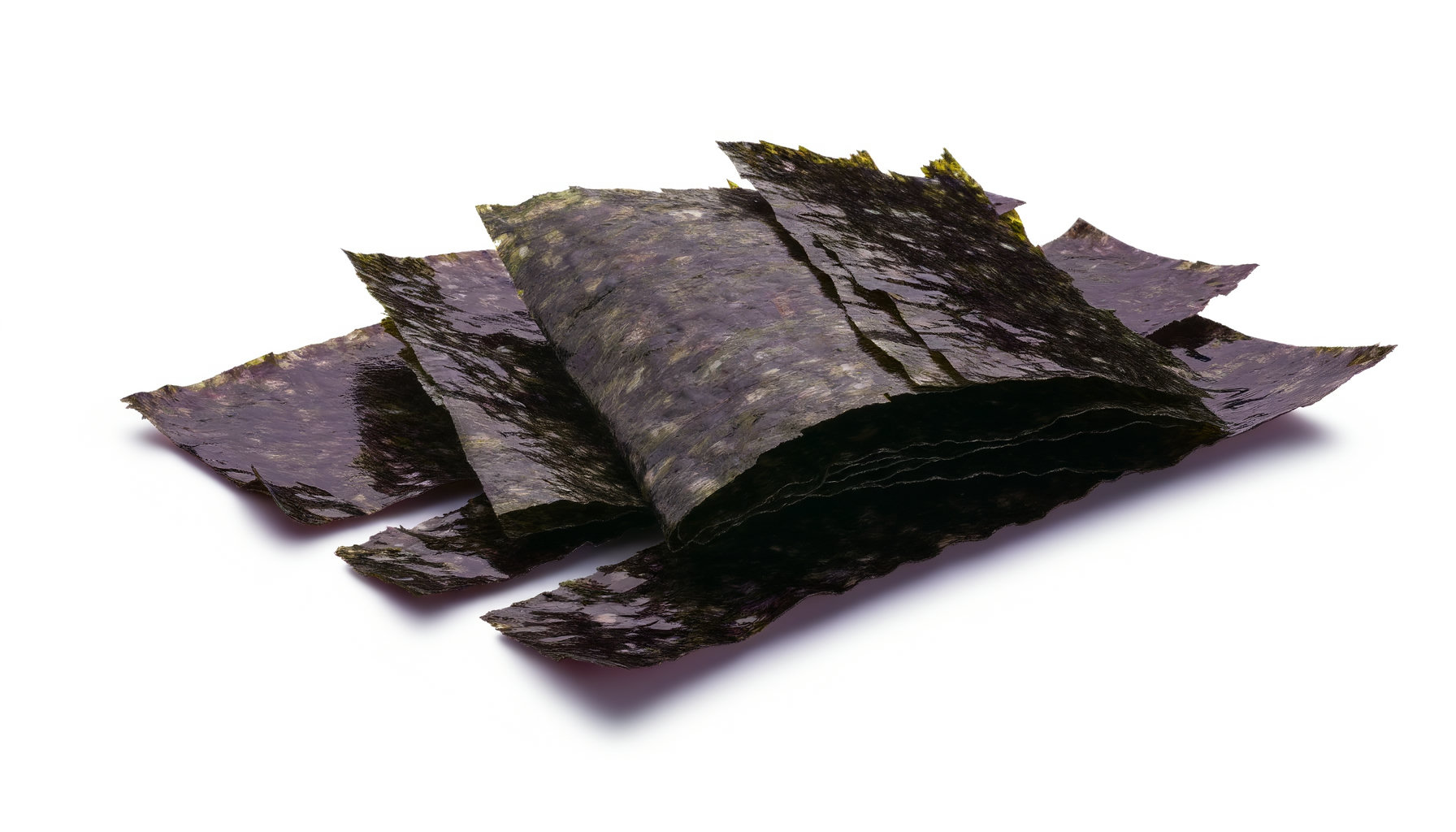
Nori
Porphyra purpuria
Sensory Profile
Tastes
Basic flavor profiles
Aromas
Scent characteristics
Stimuli
Sensory sensations
Textures
Physical properties
About Nori
Nori (Porphyra purpuria), a member of the Porphyriaceae family, is a marine algae renowned for its delicate, umami-rich flavor profile that evokes the briny essence of the ocean. Its aroma is subtly sweet with hints of toasted nuttiness, while its texture transitions from crisp to tender upon hydration, making it a delightful addition to various dishes. Nori is quintessential in sushi preparation, where it envelops vinegared rice and fresh fish, providing a contrasting texture that enhances the overall mouthfeel. Additionally, it is a key ingredient in miso soup, where its umami compounds, particularly glutamic acid, interact with the savory broth to deepen flavor complexity. Traditionally harvested along the coasts of Japan and Korea, nori is cultivated through meticulous processes involving the cultivation of spores on nets in tidal waters, followed by sun-drying and roasting, which intensifies its flavor and aroma. What sets nori apart is its unique chemical composition, rich in proteins, vitamins, and minerals, which contribute to its nutritional profile and culinary versatility. The roasting process not only enhances its flavor but also alters its structure, allowing it to become more pliable and aromatic, making it ideal for wrapping sushi or garnishing dishes. Furthermore, nori's ability to absorb moisture while retaining its crispness makes it an excellent choice for snacks, such as nori chips, where it provides a satisfying crunch without becoming soggy. This intricate interplay of flavor, texture, and nutritional benefits solidifies nori's status as a staple in Japanese cuisine and beyond.
Associated health effects(24)
- ACE Inhibition
- Porphyran-Mediated Gut Barrier Enhancement
- Antioxidant
- Blood Pressure Reduction
- Fermentation-Enhanced Vitamin B12 Provision
- Cancer-Preventive
- Blood Cholesterol Reduction
- HDL Cholesterol Elevation
- Heavy Metal Contamination Risk
- Antidiabetic Activity
- Blood Sugar Regulation
- Trace Mineral Provision
- Dietary Fiber
- Cholesterol Absorption Inhibition
- Prebiotic Support
- Anemia Prevention
- Protein Content
- B Vitamin Nervous System Support
- LDL Cholesterol Reduction
- Iodine Excess Risk
- Iodine Provision
- Short-Chain Fatty Acid Production Enhancement
- Anticancer Potential
- Anti-inflammatory
Nutrition per 100 g(4)
- Energy: 139 kcal
- Protein: 35 g
- Fat: 0.3 g
- Fiber: 0.8 g