
Nutmeg Sensory Map
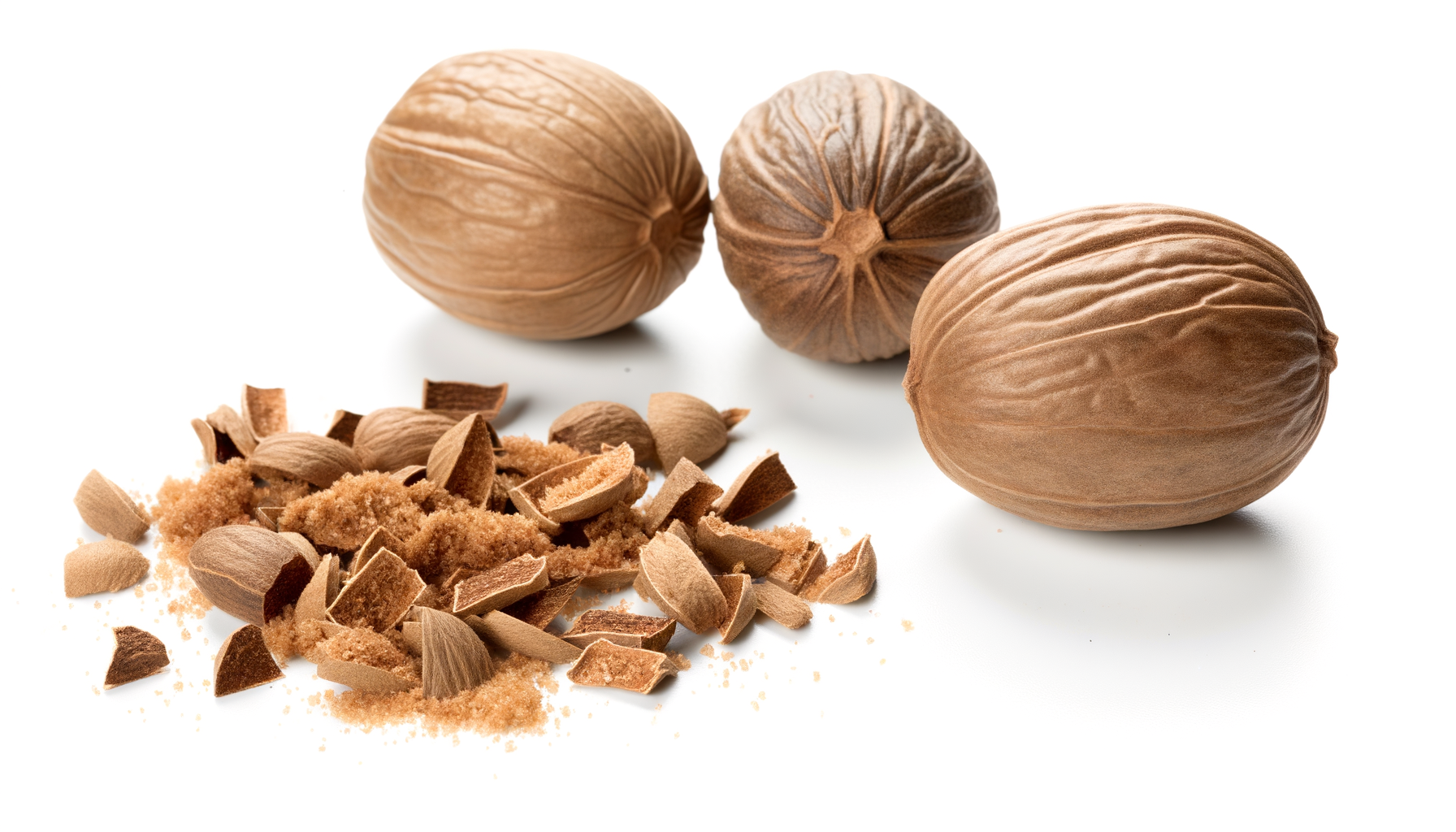
Nutmeg
Myristica fragrans
Sensory Profile
Tastes
Basic flavor profiles
Aromas
Scent characteristics
Stimuli
Sensory sensations
Textures
Physical properties
About Nutmeg
Nutmeg offers a warm, sweet, and slightly nutty flavor with hints of clove and a subtle earthiness. Its aromatic qualities are both rich and complex, making it a versatile spice that can enhance both sweet and savory dishes. Nutmeg is commonly used in baking, particularly in desserts such as pies, cakes, and custards. It pairs beautifully with dairy products, making it a popular addition to cream sauces, mashed potatoes, and eggnog. In savory cooking, nutmeg complements dishes like soups, stews, and spice blends, particularly in Middle Eastern and Indian cuisines. A pinch can elevate the flavor of vegetables, meats, and even beverages like coffee and chai. Native to the Banda Islands in Indonesia, nutmeg has a long history of trade and cultural significance. It was highly sought after during the spice trade era, leading to colonial competition for control of its production. Today, it is cultivated in tropical regions around the world, including the Caribbean and parts of India. Nutmeg is the seed of the nutmeg tree, which is encased in a hard shell and surrounded by a red, lacy aril known as mace. The spice is available in both whole seed form and ground powder, with whole nutmeg offering a more potent and fresher flavor when grated. Its aromatic oils contribute to its distinctive scent, making it a popular
Associated health effects(44)
- Myristicin Toxicity
- Mood Alterations
- Anti-ulcer Activity
- Adipogenesis Suppression
- Antioxidant
- Allergic Reactions
- Analgesic Activity
- Nephroprotection
- Nutritional Advantages
- Liver Toxicity
- Alpha-amylase Inhibition
- Pain Relief
- Safrole-Induced Carcinogenicity
- Blood Sugar Support
- Neurotoxicity
- Antidiabetic Activity
- Blood Sugar Regulation
- Immune Booster
- Immune Modulation
- Safrole-Induced Acute Toxicity
- Mood Enhancement
- Anti-obesity Activity
- Hepatoprotection
- Interaction with Medications
- Digestive Distress
- Cholesterol Management
- Antidiarrheal Activity
- Nutmeg-Induced Anticholinergic Effects
- Nutmeg-Induced Sedative and Psychotropic Activity
- Gastroprotection
- Alpha-glucosidase Inhibition
- Antibacterial
- Nutmeg-Induced Hallucinations
- Neuroprotection
- Gastrointestinal Distress
- Heart Health
- Sleep Disruption
- Lipid Metabolism Support
- Digestive Aid
- Anticancer Potential
- Anti-inflammatory
- Sedative Activity
- Carminative
- Cognitive Support
Nutrition per 100 g(4)
- Energy: 525 kcal
- Protein: 5.84 g
- Fat: 36.31 g
- Fiber: 20.8 g