
Oats Sensory Map
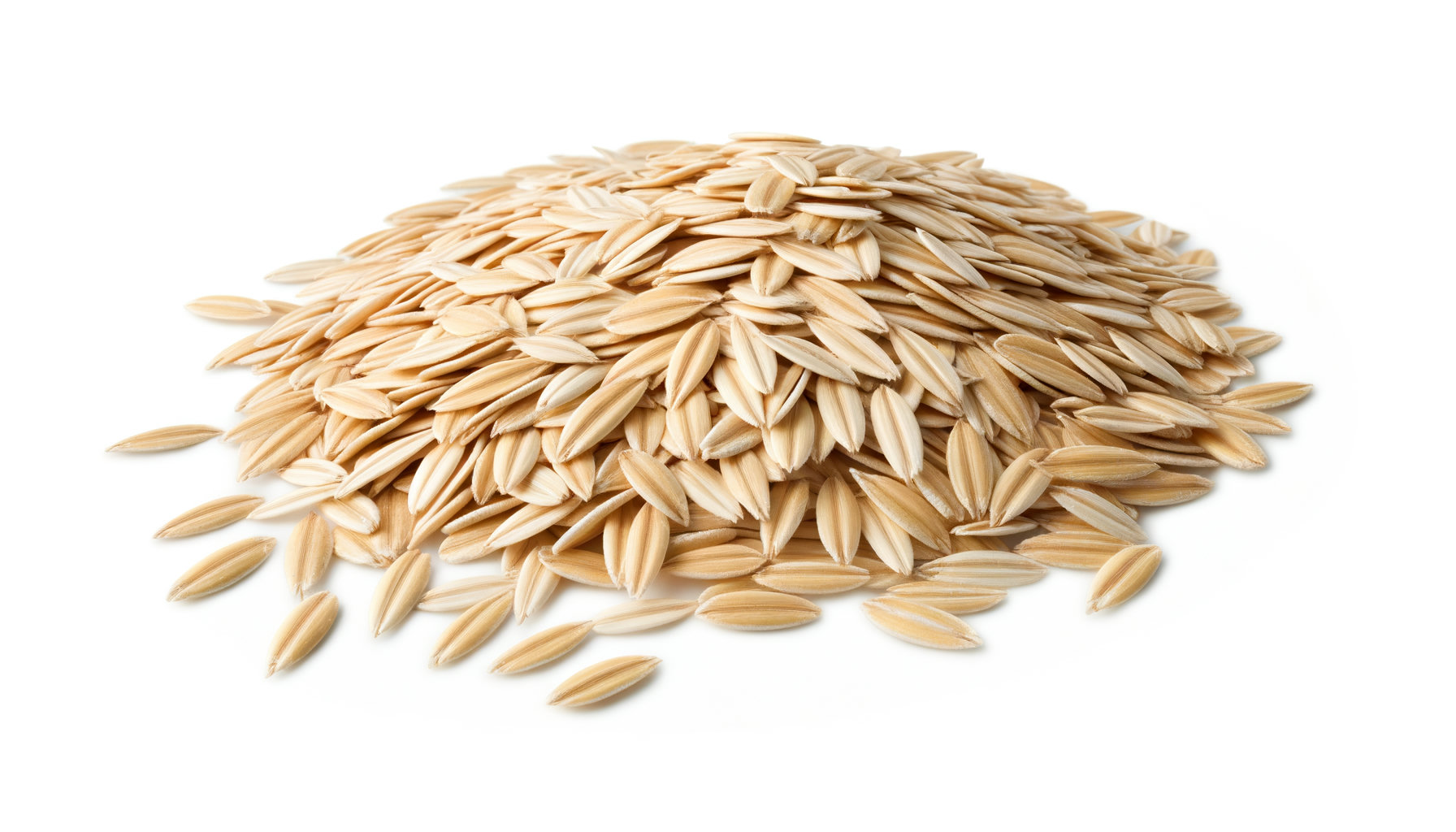
Oats
Avena sativa
Sensory Profile
Tastes
Basic flavor profiles
Aromas
Scent characteristics
Stimuli
Sensory sensations
Textures
Physical properties
About Oats
Oats (Avena sativa) are a nutrient-dense cereal grain characterized by their subtly sweet, nutty flavor and creamy texture when cooked. The aroma of oats is warm and earthy, often reminiscent of freshly baked bread or cookies, which enhances their appeal in both sweet and savory dishes. When prepared, oats exhibit a pleasing chewiness that can range from tender to hearty, depending on the cooking method and cut, such as steel-cut, rolled, or instant. In culinary applications, oats shine in iconic dishes such as oatmeal, where their soluble fiber, beta-glucan, contributes to a creamy consistency and promotes heart health. They are also essential in traditional Scottish porridge, where the slow cooking process allows the grains to release their starches, creating a luxurious mouthfeel. Additionally, oats are a key ingredient in granola, where their ability to absorb moisture and bind with sweeteners and fats results in a crunchy texture that is both satisfying and nutritious. Originating in the temperate regions of Europe and Asia, oats have been cultivated since antiquity and hold cultural significance in various cuisines, particularly in Scotland, where they are a staple food. Traditional production methods often involve minimal processing, allowing the grain to retain its bran and germ, which are rich in fiber and essential nutrients. What distinguishes oats is their unique composition of proteins and soluble fibers, which not only contribute to their health benefits but also influence their culinary behavior. The presence of avenanthramides, a type of antioxidant, enhances their flavor profile and provides anti-inflammatory properties. Furthermore, oats can be fermented to create a tangy flavor in products like oat sourdough, showcasing their versatility beyond simple cooking applications.
Associated health effects(24)
- Diet Quality Improvement
- Satiety Enhancement
- Insulin Sensitivity Enhancement
- Avenanthramide Antioxidant Activity
- Avenanthramide-Mediated Endothelial Function Enhancement
- Phytate Mineral Bioavailability Reduction
- Antioxidant
- Blood Pressure Reduction
- Gut Microbiota Modulation
- Blood Cholesterol Reduction
- Blood Sugar Regulation
- Anti-obesity Activity
- Mineral Content
- Dietary Fiber
- Cholesterol Absorption Inhibition
- Prebiotic Fiber-Mediated Gut Microbiota Improvement
- Gastrointestinal Discomfort
- Gluten-Free Nature
- Protein Content
- Weight Management
- LDL Cholesterol Reduction
- Beta-Glucan Prebiotic Support
- Short-Chain Fatty Acid Production Enhancement
- Anti-inflammatory
Nutrition per 100 g(4)
- Energy: 389 kcal
- Protein: 16.9 g
- Fat: 6.9 g
- Fiber: 10.6 g