
Olive Sensory Map
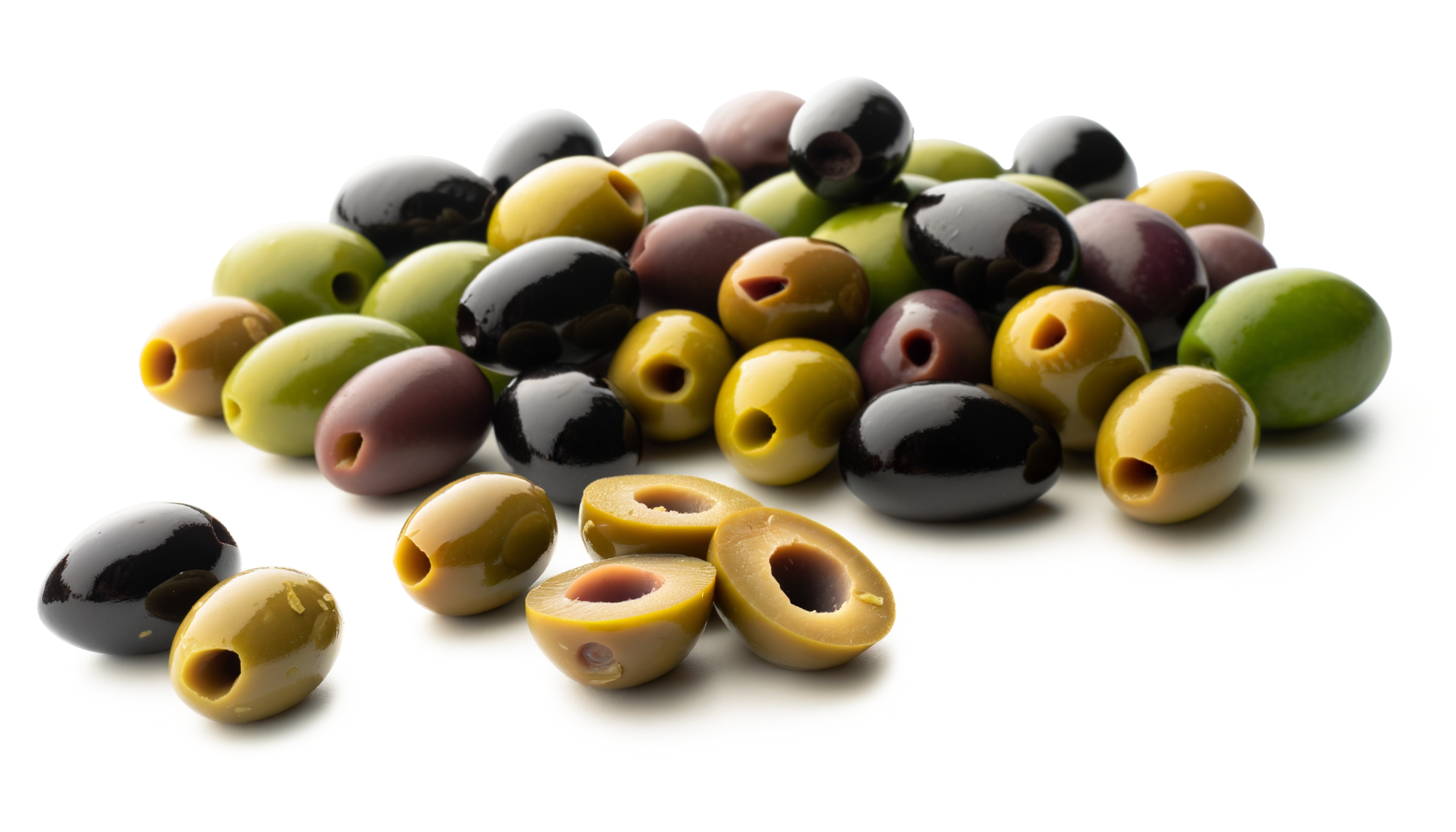
Olive
Olea europaea
Sensory Profile
Tastes
Basic flavor profiles
Aromas
Scent characteristics
Stimuli
Sensory sensations
Textures
Physical properties
About Olive
Olives possess a unique and complex flavor profile that ranges from rich and buttery to tangy and briny, depending on their variety and curing process. Green olives tend to be more bitter and herbaceous, while black olives are often sweeter and more mellow. The oil derived from olives, particularly extra virgin olive oil, is characterized by a fruity, peppery, and sometimes grassy taste, with a hint of bitterness that adds depth to dishes. Olives are versatile ingredients used in a variety of culinary applications. They can be enjoyed whole as a snack or appetizer, added to salads, tapenades, and antipasti platters, or incorporated into Mediterranean dishes such as pasta, stews, and pizzas. Olive oil is a staple in dressings, marinades, and for drizzling over finished dishes, enhancing flavors and providing a rich mouthfeel. Additionally, olives can be used to infuse oils and vinegars, creating flavorful condiments. The olive tree is native to the Mediterranean region, with evidence of cultivation dating back over 6,000 years in areas such as modern-day Turkey, Greece, and Italy. The tree thrives in warm, dry climates and has become a symbol of peace and prosperity throughout history. Today, olives are cultivated worldwide, with significant production in Spain, Italy, Greece, and California. **Distinctive Characteristics:** Olives are small
Associated health effects(74)
- Safety and Toxicity
- Blood Pressure Support
- Diet Quality Improvement
- Satiety Enhancement
- Neuroprotection via Oleocanthal
- Insulin Sensitivity Enhancement
- Polyphenol Content Support
- Antithrombotic Activity
- Adulteration and Oxidation Risk
- Gastrointestinal Protection
- Antioxidant
- Diabetes Management
- Allergic Reactions
- Cardiovascular Health
- Dose-Dependent Effects
- Allergy Risk
- Vitamin E Source
- Oleic Acid Support
- Stroke Prevention
- Blood Pressure Reduction
- Type 2 Diabetes Prevention
- Cancer-Preventive
- Cancer Cell Inhibition via Polyphenols
- Polyphenol-Mediated Gastrointestinal Protection
- Sodium Content
- Liver Support
- HDL Cholesterol Elevation
- Oleocanthal-Mediated Anti-inflammatory Activity
- Neurodegenerative Disease Mortality Reduction
- Blood Sugar Support
- Vitamin E Content Support
- Vitamin K Source
- Antidiabetic Activity
- Blood Sugar Regulation
- Polyphenol-Mediated Endothelial Function Enhancement
- High Caloric Density
- Hydroxytyrosol Neuroprotection
- High Sodium Content
- Immune Modulation
- Polyphenol-Mediated Antioxidant Activity
- Atherosclerosis Prevention
- Cardioprotective Activity
- No Evidence of Toxicity, Heavy Metals, or Contaminants
- Hepatoprotection
- Dietary Fiber
- Oleuropein-Mediated Antiglycation Activity
- Skin Health
- Interaction with Medications
- Monounsaturated Fatty Acid Support
- Skin and Immune Health
- Bone Health
- Gastrointestinal Discomfort
- Polyphenol-Mediated Endothelial Protection
- Cholesterol Management
- All-Cause Mortality Reduction
- Respiratory Mortality Reduction
- Weight Management
- Polyphenol-Mediated Neuroprotection
- Salt Sensitivity
- LDL Cholesterol Reduction
- Gastrointestinal Barrier Function Support
- Oleocanthal-Mediated Cancer Cell Suppression
- Antibacterial
- Osteoporosis Prevention
- Enhanced Nutrient Absorption
- Neuroprotection
- Gastrointestinal Distress
- Heart Health
- Lipid Metabolism Support
- Digestive Aid
- Insulin Sensitivity Support
- Anticancer Potential
- Anti-inflammatory
- Cognitive Support
Nutrition per 100 g(4)
- Energy: 120 kcal
- Protein: 0.8 g
- Fat: 11 g
- Fiber: 3 g