
Onion Sensory Map
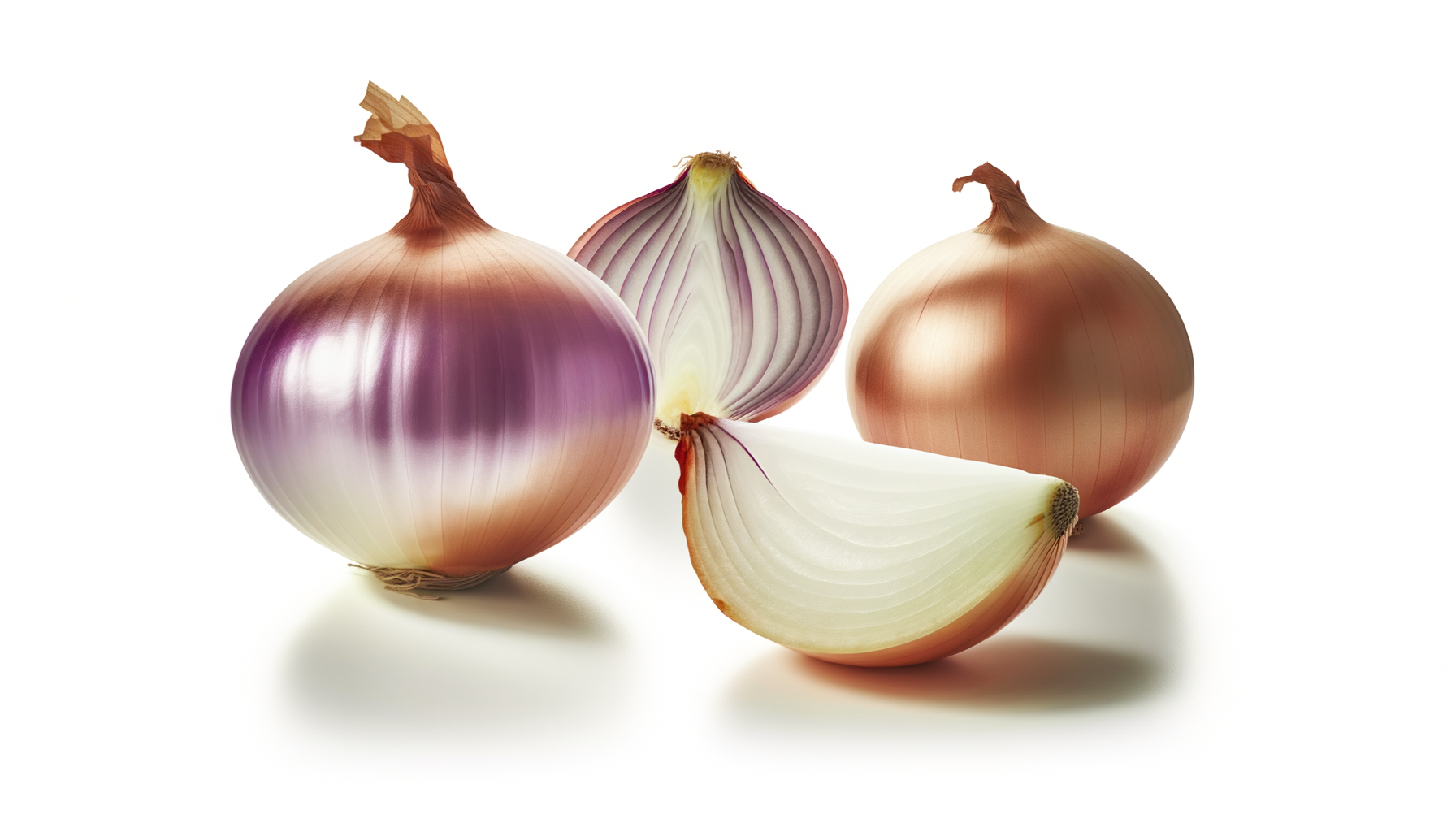
Onion
Allium cepa
Sensory Profile
Tastes
Basic flavor profiles
Aromas
Scent characteristics
Stimuli
Sensory sensations
Textures
Physical properties
About Onion
Onions possess a unique flavor that ranges from sweet and mild to pungent and sharp, depending on the variety and preparation method. Raw onions offer a crisp, zesty bite, while cooking transforms their flavor, mellowing their sharpness and enhancing their natural sweetness through caramelization. Onions are a foundational ingredient in cuisines worldwide, used in countless dishes. They can be consumed raw in salads and salsas, sautéed as a base for soups, stews, and sauces, or roasted to bring out their sweetness. Varieties such as red onions are often used for pickling and garnishing, while yellow onions are favored for general cooking. They are also integral to mirepoix, a classic French flavor base, and are essential in dishes like French onion soup, stir-fries, and curries. Onions are believed to have originated in Central Asia, with evidence of cultivation dating back over 5,000 years in regions such as Iran and Pakistan. They have since spread globally, adapting to various climates and culinary traditions. Onions are characterized by their layered structure, with a papery outer skin that can be white, yellow, or red, and a juicy, fleshy interior. They are rich in antioxidants and sulfur compounds, contributing to their health benefits, including anti-inflammatory and immune-boosting properties. Their versatility
Associated health effects(15)
- Blood Pressure Support
- Prebiotic Fructooligosaccharide Support
- Antiplatelet Activity
- Antioxidant
- Allergic Reactions
- Nutritional Advantages
- Immune Booster
- Hepatoprotection
- Interaction with Medications
- Bone Health
- Gastrointestinal Distress
- Heart Health
- Digestive Aid
- Anticancer Potential
- Anti-inflammatory
Nutrition per 100 g(4)
- Energy: 40 kcal
- Protein: 1.1 g
- Fat: 0.1 g
- Fiber: 1.7 g