
Onion Powder Sensory Map
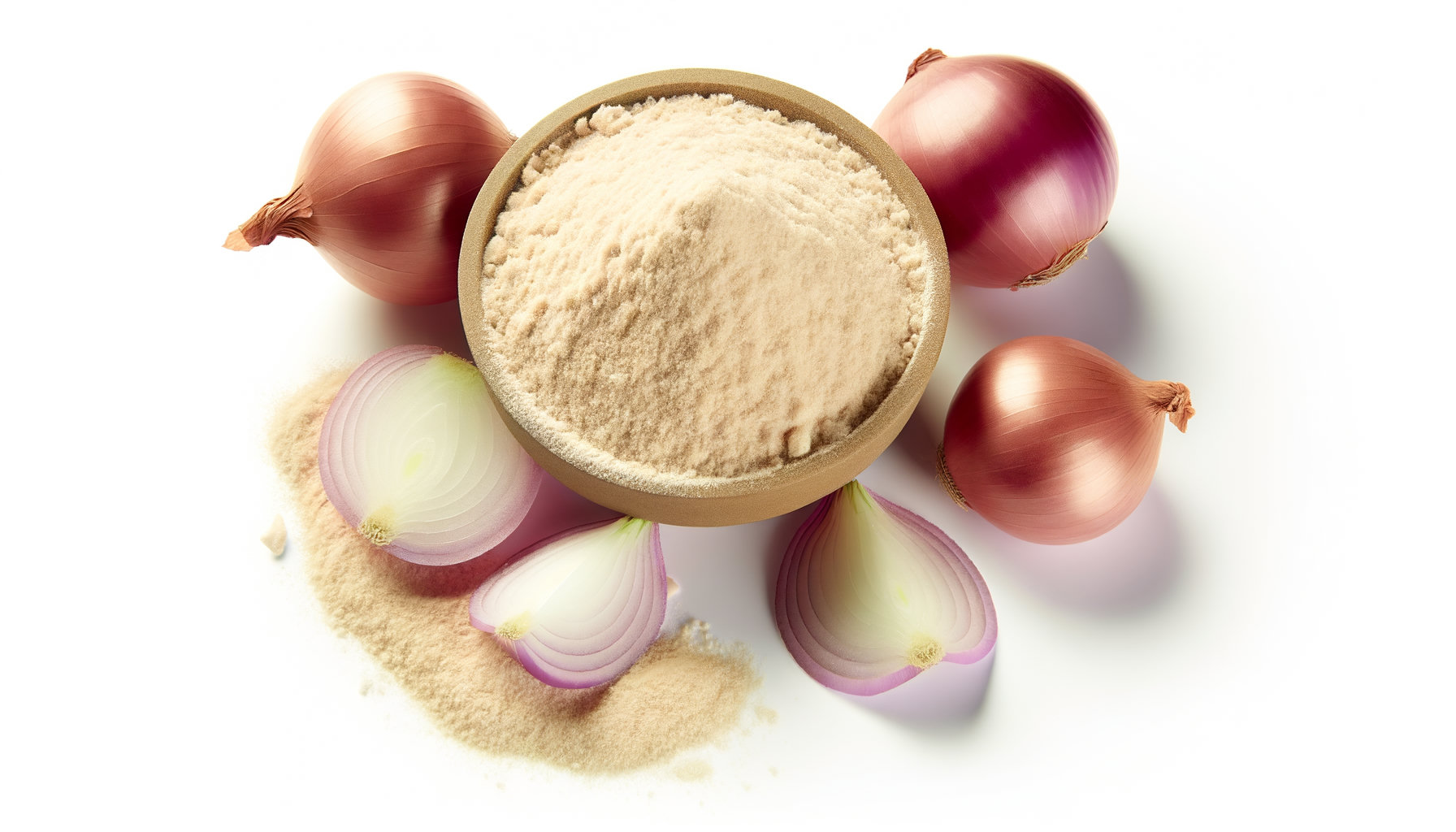
Onion Powder
Allium cepa
Sensory Profile
Tastes
Basic flavor profiles
Aromas
Scent characteristics
Stimuli
Sensory sensations
Textures
Physical properties
About Onion Powder
Onion Powder (Allium cepa), a finely milled spice derived from dehydrated onions, presents a robust flavor profile characterized by its sweet, slightly pungent notes, reminiscent of caramelized onions, with a subtle earthiness that lingers on the palate. The aroma is intensely savory, with a hint of sulfurous sharpness that can evoke memories of a freshly chopped onion, yet without the moisture that can overwhelm other ingredients. Its texture is powdery and fine, allowing it to blend seamlessly into various dishes, enhancing flavor without adding bulk. Culinary applications for onion powder are abundant, particularly in classic dishes such as French onion soup, where it contributes a concentrated onion flavor that complements the rich, caramelized broth, and in spice blends like Cajun seasoning, where it provides depth and umami, enhancing the overall flavor profile without the need for fresh onions that might alter the dish's texture. In dry rubs for meats, onion powder aids in the Maillard reaction during cooking, promoting browning and developing complex flavors that elevate grilled or roasted dishes. Originating from Central Asia and the Mediterranean, onion powder has become a staple in numerous global cuisines, particularly in American and Mexican cooking, where it is often used to season everything from tacos to barbecue sauces. Traditional production methods involve slicing fresh onions, dehydrating them at low temperatures to preserve their essential oils and flavor compounds, and then grinding them into a fine powder, a process that concentrates their natural sweetness and umami characteristics. What distinguishes onion powder is its ability to impart onion flavor without the moisture content of fresh onions, making it an invaluable ingredient in dry seasoning blends and marinades. Its high concentration of sulfur compounds, which contribute to its characteristic aroma and flavor, also allows it to act as a natural flavor enhancer, amplifying the taste of other ingredients in a dish. This unique combination of properties makes onion powder an essential tool in the culinary arsenal, providing chefs with the ability to achieve depth and complexity in their cooking with ease.
Associated health effects(26)
- Micronutrient Density
- Prebiotic Fructooligosaccharide Support
- Antioxidant
- Short-Chain Fatty Acid Production
- Liver Enzyme Reduction
- Blood Pressure Reduction
- Nutritional Advantages
- Antifungal
- Liver Support
- Blood Sugar Support
- Blood Sugar Regulation
- Immune Modulation
- Hepatoprotection
- Dietary Fiber
- Prebiotic Fiber-Mediated Gut Microbiota Improvement
- Bone Health
- Cholesterol Management
- Antioxidant Immunity Support
- Digestive Protection
- Weight Management
- LDL Cholesterol Reduction
- Antibacterial
- Bronchodilation
- Heart Health
- Digestive Aid
- Anti-inflammatory
Nutrition per 100 g(4)
- Energy: 348 kcal
- Protein: 8 g
- Fat: 0.5 g
- Fiber: 9 g