
Oolong tea Sensory Map
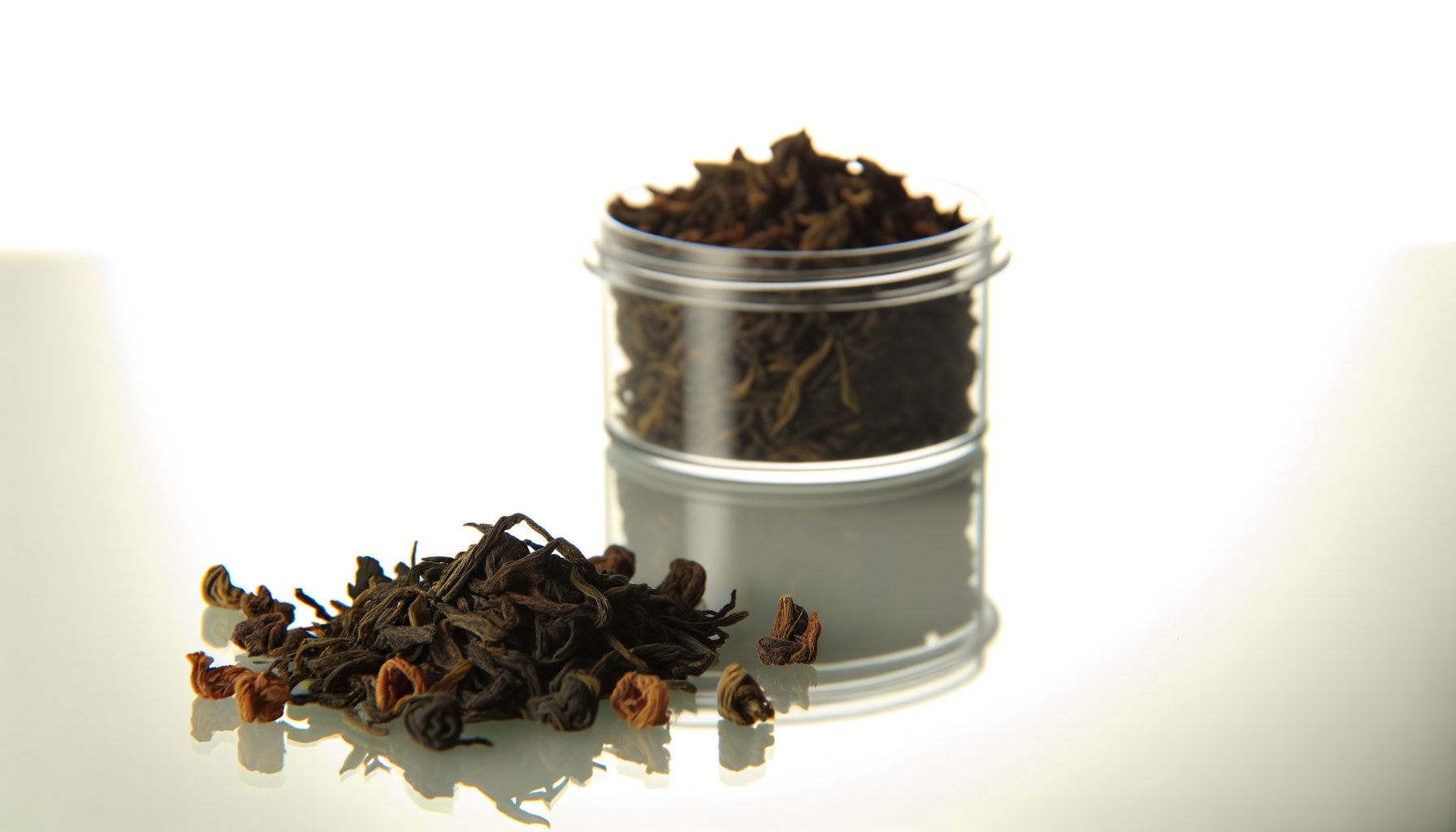
Oolong tea
Camellia sinensis oolong
Sensory Profile
Tastes
Basic flavor profiles
Aromas
Scent characteristics
Stimuli
Sensory sensations
Textures
Physical properties
About Oolong tea
Oolong tea is renowned for its complex flavor profile, which can range from floral and fruity to toasty and nutty, depending on the degree of oxidation and processing. The taste often features a delicate balance of sweetness and astringency, with a lingering finish that can include hints of creaminess or a slight mineral quality. Oolong tea is versatile in culinary applications. It can be enjoyed as a standalone beverage, steeped at varying temperatures to extract different flavor notes. In gastronomy, it is often used to infuse dishes, imparting a subtle depth to both savory and sweet recipes. Oolong can also be incorporated into marinades, sauces, and desserts, such as cakes and ice creams, where its unique flavor can enhance the overall profile of the dish. Oolong tea originates from China, with its roots tracing back to the Fujian province, where it has been cultivated for centuries. The name "oolong" translates to "black dragon," reflecting the twisted, dark leaves that characterize the tea. Taiwan is also renowned for its high-quality oolong varieties, which have gained international acclaim for their distinctive flavors and aromatic qualities. Oolong tea is partially oxidized, placing it between green and black teas in terms of flavor and color. This unique processing method allows for a wide range of flavor profiles, making it a favorite among
Associated health effects(14)
- Antioxidant
- Blood Sugar Support
- Digestive Irritation
- Flavor and Culinary Use
- Skin Health
- Interaction with Medications
- Cholesterol Management
- Nutrient Interference
- Weight Management
- Reproductive Risk
- Heart Health
- Sleep Disruption
- Digestive Aid
- Anti-inflammatory
Nutrition per 100 g(4)
- Energy: 1 kcal
- Protein: 0 g
- Fat: 0.2 g
- Fiber: 0 g