
Ouzo Sensory Map
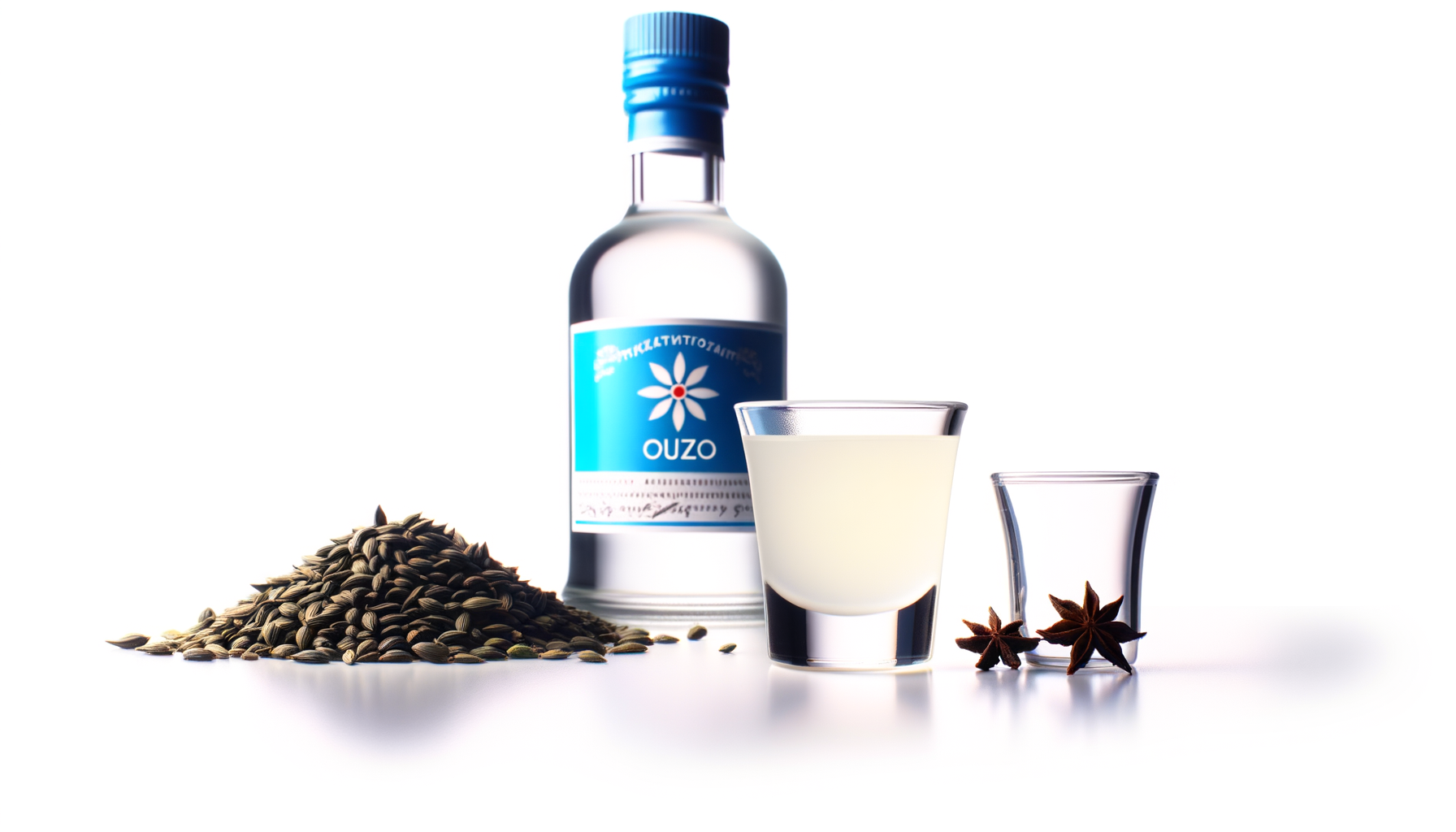
Ouzo
Pimpinella anisum
Sensory Profile
Tastes
Basic flavor profiles
Aromas
Scent characteristics
Stimuli
Sensory sensations
Textures
Physical properties
About Ouzo
Ouzo, derived from the seeds of the anise plant (Pimpinella anisum), presents a distinctively sweet and aromatic flavor characterized by its strong licorice notes. The taste is both bold and refreshing, with a slight peppery undertone that adds complexity. When mixed with water, ouzo turns a milky white, enhancing its aromatic qualities. Ouzo is primarily enjoyed as an aperitif, often served chilled or over ice. It pairs well with a variety of meze dishes, such as olives, feta cheese, and seafood, making it a staple in Greek dining culture. Additionally, it can be used in cocktails to impart its unique flavor or as a flavoring agent in desserts and confections, particularly in Mediterranean and Middle Eastern cuisines. Ouzo has its roots in Greece, where it has been produced since the 19th century. The name "ouzo" is believed to derive from the Italian term "uso Massalia," referring to a type of anise-flavored spirit. Today, it is recognized as a national drink of Greece, with various regional variations reflecting local production methods and flavor profiles. Ouzo is distinguished by its high anise content, which not only defines its flavor but also contributes to its cultural significance. The production process often involves distillation with other botanicals, enhancing its aromatic complexity. Authentic ouzo must
Associated health effects(28)
- Mood Alterations
- Alcohol-Induced Vasodilation
- Drug Interactions
- Impaired Judgment
- Allergic Reactions
- Analgesic Activity
- Headache Trigger
- Liver Toxicity
- Cancer Risk
- Ethanol Antiseptic Activity
- No Unique Nutritional Advantage
- Terpene Antioxidant Activity
- Cardiovascular Stress
- Addiction Potential
- Anethole-Mediated Smooth Muscle Relaxation
- Digestive Irritation
- Flavor and Culinary Use
- Foodborne Illness Risk
- Interaction with Medications
- Dehydration
- Topical Antiseptic Activity
- Antibacterial
- Increased Cancer Risk
- Weight Gain
- Gastrointestinal Distress
- Sleep Disruption
- Digestive Aid
- Carminative
Nutrition per 100 g(4)
- Energy: 231 kcal
- Protein: 0 g
- Fat: 0 g
- Fiber: 0 g