
Oyster Mushroom Sensory Map
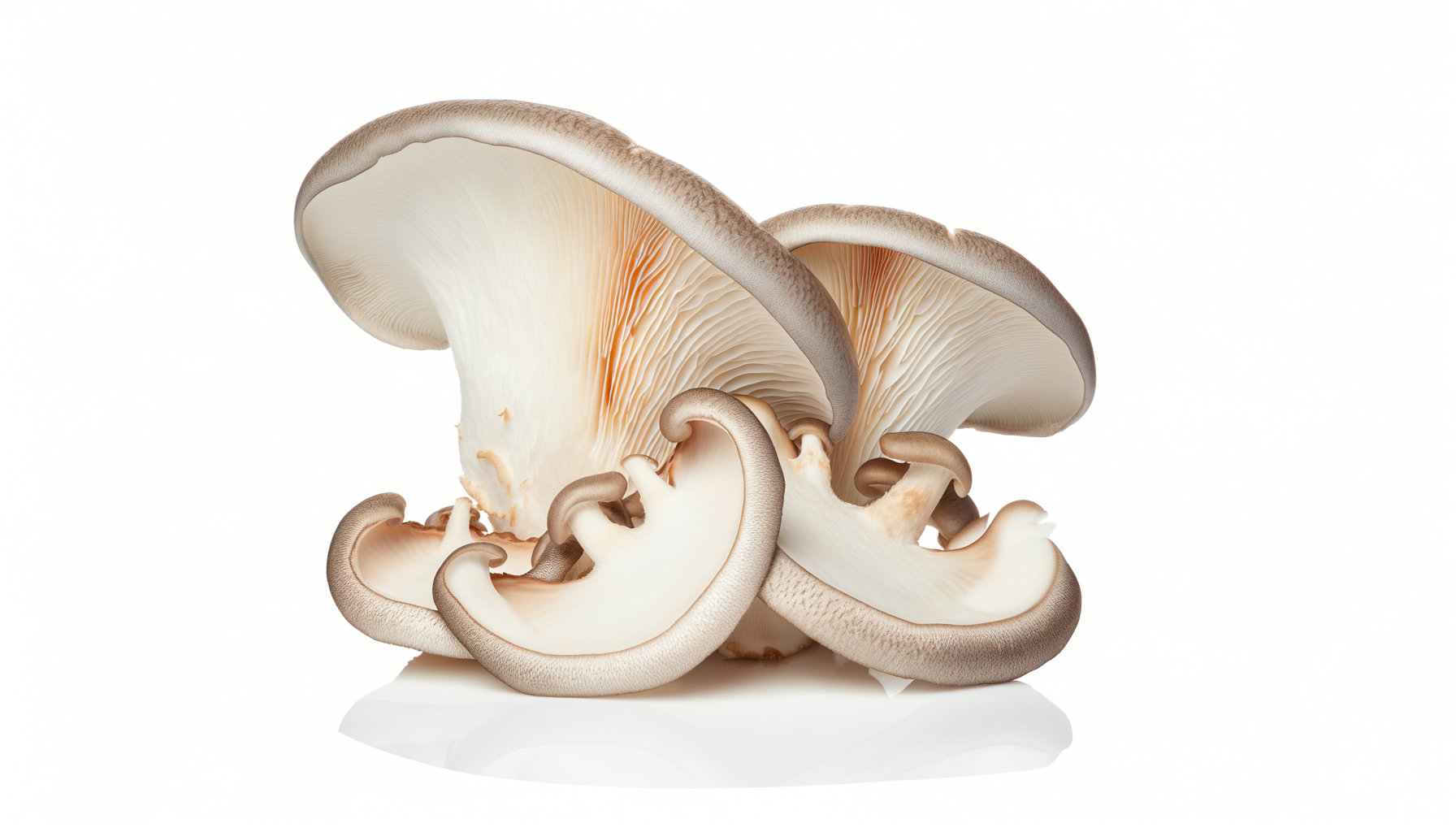
Oyster Mushroom
Pleurotus ostreatus
Sensory Profile
Tastes
Basic flavor profiles
Aromas
Scent characteristics
Stimuli
Sensory sensations
Textures
Physical properties
About Oyster Mushroom
Oyster Mushroom (Pleurotus ostreatus), a member of the Pleurotaceae family, is celebrated for its delicate, slightly sweet flavor profile, characterized by subtle notes of anise and a mild earthiness. The aroma is reminiscent of freshly cut wood, with a hint of nuttiness that intensifies when cooked. Its texture is tender yet firm, providing a satisfying bite that holds up well in various culinary applications. In the culinary world, oyster mushrooms shine in iconic dishes such as **Mushroom Stroganoff**, where their ability to absorb and enhance the richness of creamy sauces complements the dish's overall umami profile. They also play a pivotal role in **Asian stir-fries**, where their quick cooking time and ability to retain moisture contribute to a luscious mouthfeel, while their natural sugars caramelize beautifully, adding depth to the dish. Additionally, in **French cuisine**, they are often featured in **Ratatouille**, where their unique texture contrasts with the softness of other vegetables, creating a harmonious balance. Originating from temperate and subtropical regions worldwide, oyster mushrooms are particularly prominent in East Asian cuisines, where they are cultivated on a variety of substrates, including straw and sawdust, through a process known as "substrate cultivation." This method not only enhances their flavor but also allows for sustainable production, making them a staple in both home kitchens and professional settings. What sets oyster mushrooms apart is their unique ability to produce a range of flavors through fermentation, which can be harnessed in dishes like kimchi or pickled preparations. Their high protein content and low fat make them an excellent meat substitute, particularly in vegetarian and vegan dishes, where they can mimic the texture of meat when sautéed or grilled. Furthermore, their polysaccharides have been studied for potential health benefits, adding an additional layer of appeal for health-conscious diners.
Associated health effects(54)
- Butyrate Production Enhancement
- Beta-Glucan Cholesterol Reduction
- Insulin Sensitivity Enhancement
- Micronutrient Density
- ACE Inhibition
- Mushroom Polysaccharide Immune Modulation
- Ergothioneine Support
- Antioxidant
- Immunomodulatory Activity
- Allergic Reactions
- Cardiovascular Health
- Dose-Dependent Effects
- Short-Chain Fatty Acid Production
- Blood Pressure Reduction
- Pleuran Immune Modulation
- Cancer-Preventive
- Lipid Profile Improvement
- Blood Cholesterol Reduction
- Antiviral Activity (Herpes Simplex)
- Low Fat Content
- Appetite Reduction via Fiber-Induced Satiety
- Low Caloric Density
- Antidiabetic Activity
- Blood Sugar Regulation
- Immune Modulation
- Prebiotic Polysaccharide Support
- Foodborne Illness Risk
- Iron Content Support
- Mineral Content
- Polysaccharide Immune Modulation
- Dietary Fiber
- Allergic Reaction Risk
- Bone Health
- Blood Lipid Profile Improvement
- Mushroom β-Glucan Immune Modulation
- Protein Content
- B Vitamin Nervous System Support
- Beta-Glucan Prebiotic Support
- Antibacterial
- Osteoporosis Prevention
- Triglyceride Reduction
- Low Glycemic Impact
- Neuroprotection
- Digestive Prebiotic Support
- Antiviral
- Lipid Metabolism Support
- Mushroom Misidentification Toxicity
- Digestive Aid
- Mushroom β-Glucan-Mediated Glucose Regulation
- Digestive Health
- Anticancer Potential
- Anti-inflammatory
- Blood Glucose Regulation
- Cognitive Support
Nutrition per 100 g(4)
- Energy: 42 kcal
- Protein: 3.3 g
- Fat: 0.3 g
- Fiber: 3 g