
Oyster Sensory Map
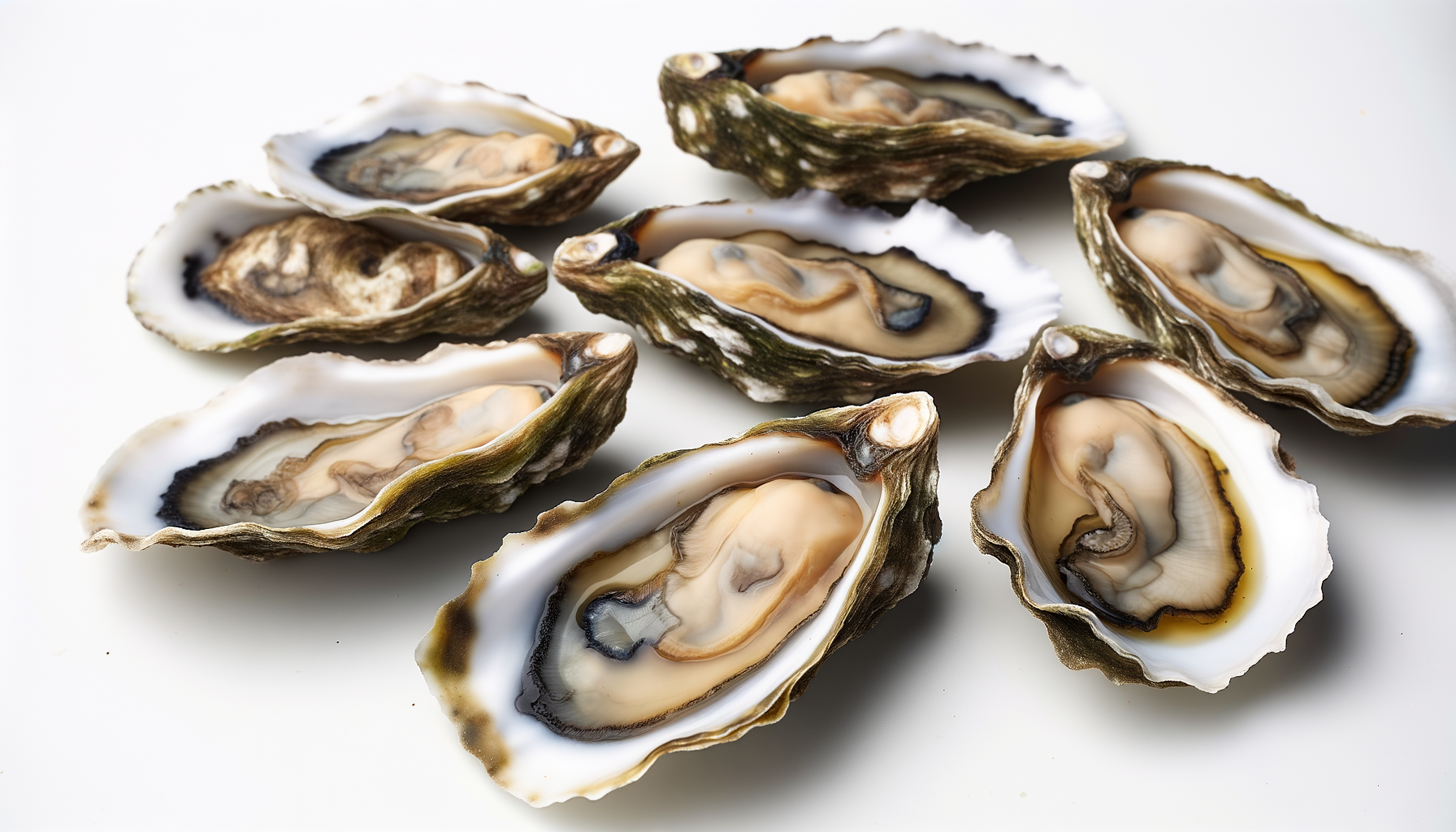
Oyster
Ostrea
Sensory Profile
Tastes
Basic flavor profiles
Aromas
Scent characteristics
Stimuli
Sensory sensations
Textures
Physical properties
About Oyster
Oysters, while primarily known as seafood, can also be considered a unique flavoring agent in culinary applications. Their briny, umami-rich profile is characterized by a delicate sweetness and a hint of mineral complexity. The flavor can vary significantly depending on the oyster's origin, with some exhibiting a creamy texture and others offering a sharper, more metallic taste. Oysters are versatile in the kitchen, often enjoyed raw on the half shell, where their natural flavors can shine through. They can also be grilled, baked, or fried, enhancing dishes such as oyster stew, chowders, and seafood pastas. In addition, oyster liquor (the natural juice found inside the shell) is used to enrich sauces, dressings, and marinades, imparting a distinct oceanic essence. Oyster sauce, a popular condiment in Asian cuisine, is made from the extract of oysters and is used to add depth to stir-fries, marinades, and braises. Oysters belong to the family Ostreidae and are found in coastal waters around the world, with notable varieties including the Eastern oyster (Crassostrea virginica) from North America and the Pacific oyster (Crassostrea gigas) from Asia. They thrive in brackish environments, often in estuaries and tidal flats, where they filter feed on plankton and organic matter.
Associated health effects(13)
- Micronutrient Support
- Heavy Metal Exposure
- Antioxidant
- Allergic Reactions
- Dose-Dependent Effects
- Nutritional Advantages
- Immune Booster
- Foodborne Illness Risk
- Interaction with Medications
- Bone Health
- Selenium Toxicity
- Bioactive Peptide Support
- Cognitive Support
Nutrition per 100 g(4)
- Energy: 70 kcal
- Protein: 9 g
- Fat: 2.5 g
- Fiber: 0 g