
Oyster Sauce Sensory Map
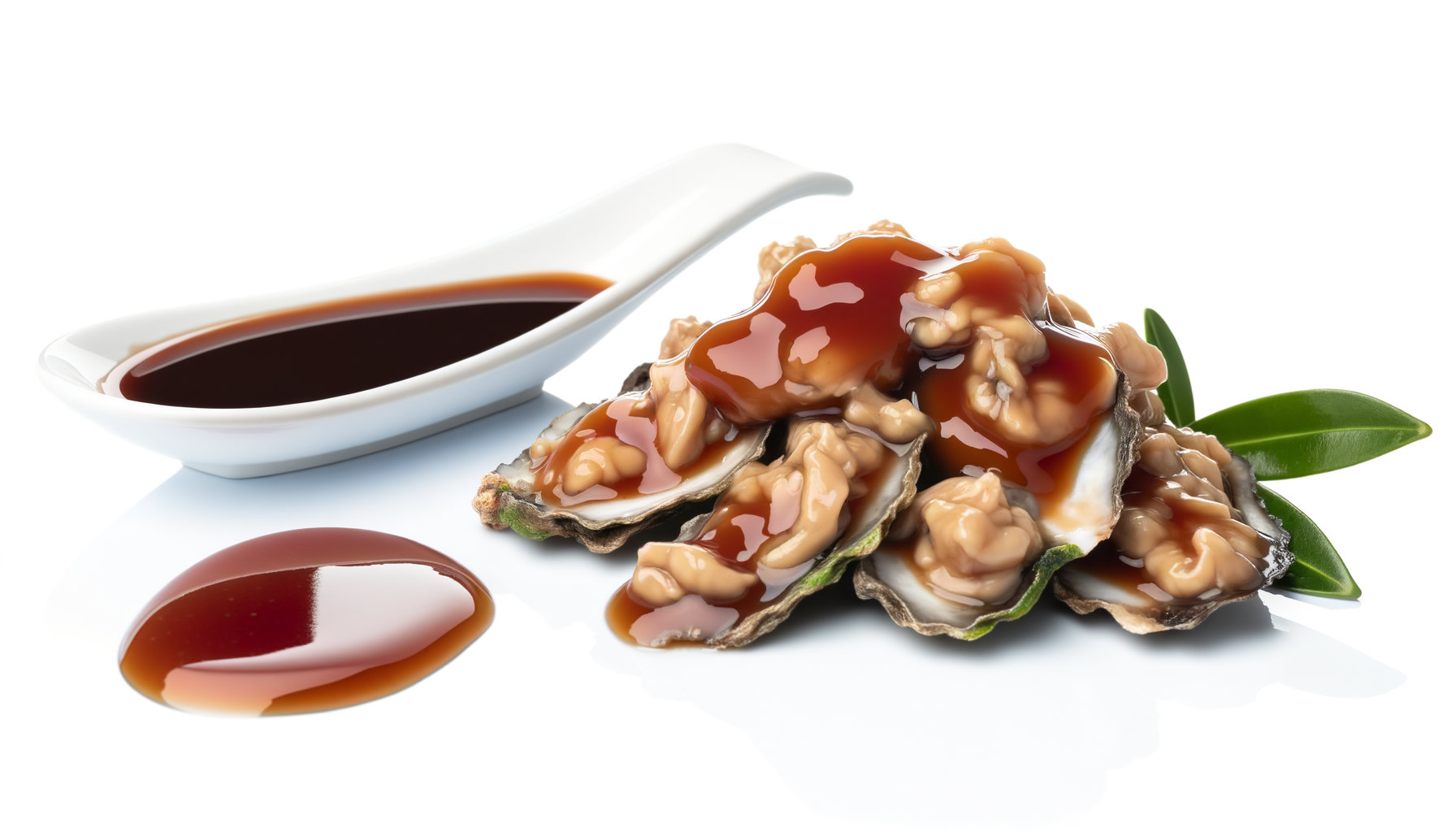
Oyster Sauce
Ostrea
Sensory Profile
Tastes
Basic flavor profiles
Aromas
Scent characteristics
Stimuli
Sensory sensations
Textures
Physical properties
About Oyster Sauce
Oyster Sauce (Ostrea) is a rich, umami-packed condiment that boasts a complex flavor profile characterized by deep, savory notes of brine and a subtle sweetness, complemented by a velvety texture that coats ingredients beautifully. The aroma is reminiscent of the ocean, with hints of caramelization that arise from the cooking process of the sauce, which is typically made by simmering oysters in their own juices, often combined with soy sauce and sugar, resulting in a glossy, dark brown liquid. Culinary applications of oyster sauce are prominent in iconic dishes such as Beef and Broccoli Stir-Fry, where its ability to enhance the natural flavors of the beef and provide a savory depth complements the crispness of the broccoli, creating a harmonious balance of textures and tastes. In Char Kway Teow, a popular Malaysian stir-fried noodle dish, oyster sauce contributes to the dish's characteristic savory-sweet profile while also aiding in the Maillard reaction, which gives the noodles their desirable charred flavor. Additionally, in Chinese Braised Pork Belly, the sauce's viscosity helps to thicken the braising liquid, allowing for a luscious glaze that clings to the tender meat, enriching each bite with umami. Originating from China, oyster sauce has become a staple in various Asian cuisines, particularly in Cantonese cooking, where it is revered for its ability to elevate dishes with its concentrated flavor. Traditional production methods involve the careful extraction of oyster essence through boiling, which is then combined with other ingredients like soy sauce and cornstarch to achieve the desired consistency and flavor profile. What sets oyster sauce apart is its unique combination of natural glutamates from the oysters and the sugars that develop during the cooking process, which not only enhances savory dishes but also acts as a natural flavor enhancer, making it an essential ingredient in achieving depth in culinary creations. The balance of saltiness, sweetness, and umami, along with its smooth texture, makes oyster sauce an indispensable component in both home kitchens and professional culinary settings.
Associated health effects(57)
- Calcium Loss
- Bivalve Allergenicity
- Zinc
- Micronutrient Support
- Fermentation-Derived Antioxidant Activity
- Histamine Poisoning Risk
- Fermentation-Derived Taurine and Antioxidant Liver Support
- Limited Nutritional Advantages
- Micronutrient Density
- Hypertension
- Selenium Status Improvement
- Cardiovascular Disease Risk
- Food Additive-Induced Gut Disruption
- Biogenic Amine Exposure
- Calcium Content Support
- Source of trace minerals and amino acids
- Antioxidant
- Allergic Reactions
- Liver Enzyme Reduction
- Cardiovascular Risk
- Folate Source
- Nutritional Advantages
- Sodium Content
- Chloropropanol Contamination Risk
- High Sodium Content Flavor Enhancer
- Zinc supplementation
- Heavy Metal Contamination Risk
- Bacterial Contamination Risk
- Cardiovascular Stress
- Limited Micronutrient Density
- Electrolyte Disturbance
- High Sodium Content
- Amino Acid Support
- Gout and Metabolic Disorders
- Flavor and Culinary Use
- Iron Content Support
- Mineral Content
- Added Sugar Glycemic Impact
- Allergic Reaction Risk
- Bone Health
- Gastrointestinal Discomfort
- Blood Pressure Elevation
- Flavor Enhancement-Mediated Dietary Compliance Support
- Purine-Mediated Uric Acid Elevation
- B12 Content Support
- B Vitamin Nervous System Support
- Iodine Provision
- Shellfish Allergy
- Taurine benefits
- Low Glycemic Impact
- Zinc Content Support
- Low-Calorie Flavor Support
- Sodium Overload
- Food Palatability Enhancement
- High Sodium Content and Electrolyte Imbalances
- Digestive Aid
- Processed Sauce Additive Exposure
Nutrition per 100 g(4)
- Energy: 47 kcal
- Protein: 1.5 g
- Fat: 0.5 g
- Fiber: 0 g