
Palm Fat Sensory Map
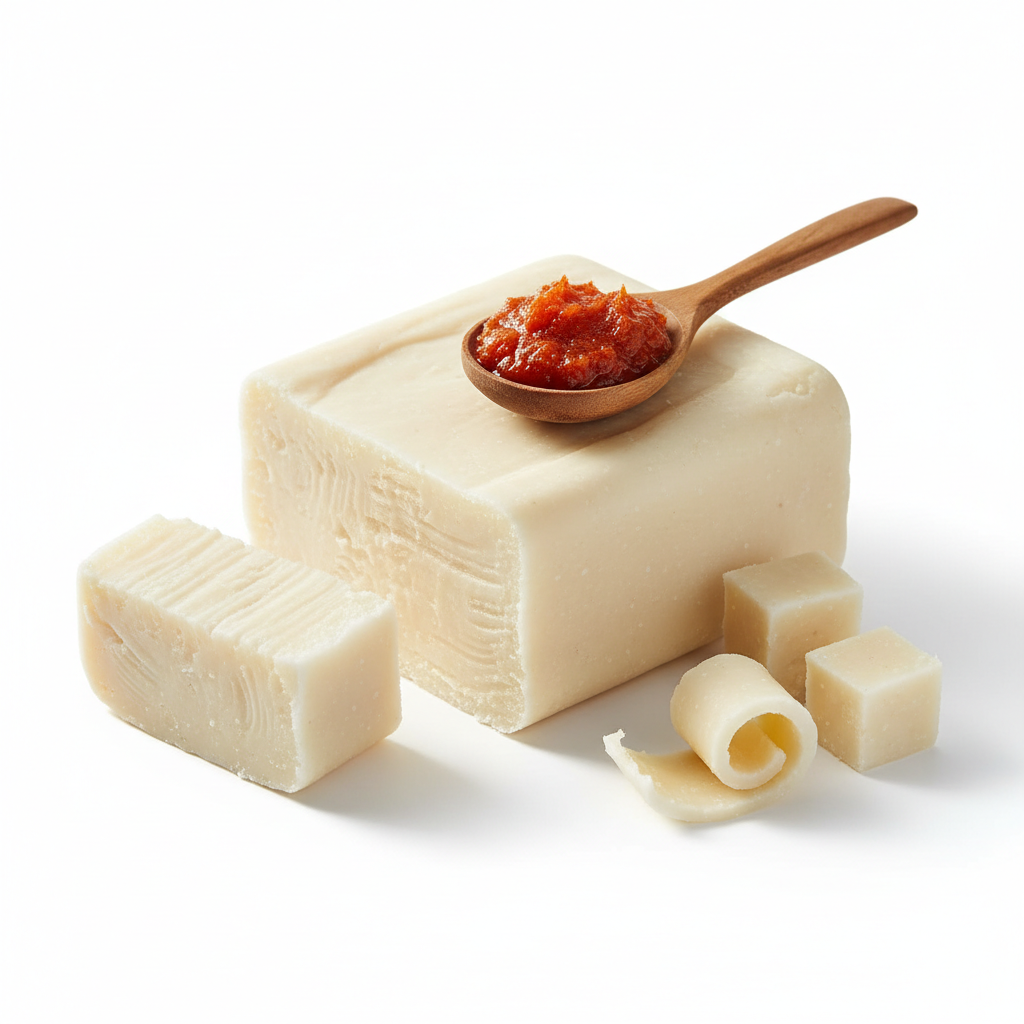
Palm Fat
Elaeis guineensis
Sensory Profile
Tastes
Basic flavor profiles
Aromas
Scent characteristics
Stimuli
Sensory sensations
Textures
Physical properties
About Palm Fat
Derived from the mesocarp of the oil palm fruit (Elaeis guineensis), palm fat is a semi-solid lipid characterized by a neutral, slightly earthy aroma and a creamy, non-waxy mouthfeel that lacks the lingering greasiness of animal fats. Its unique triglyceride composition provides a high melting point (typically between 33°C and 39°C), making it indispensable in the production of laminated pastries and shortcrust biscuits, where it maintains structural integrity during mechanical shearing and prevents the premature melting that can lead to gluten over-development. In West African culinary traditions, particularly in the preparation of Egusi soup or Banga rice, unrefined "red" palm oil is prized for its high beta-carotene content and rich, musky flavor profile, acting as both a vibrant coloring agent and a savory base that emulsifies with ground melon seeds to create a velvety, thick consistency. Unlike many vegetable oils, palm fat is naturally cholesterol-free and highly resistant to oxidative rancidity due to its high saturation levels and vitamin E tocotrienols, allowing it to function as a superior stabilizing agent in commercial nut butters by preventing oil separation. This thermal stability and high smoke point (approx. 235°C) ensure that it remains chemically stable under high-heat applications, facilitating a crisp, golden-brown Maillard reaction in fried applications without the development of off-flavors associated with polyunsaturated oil degradation.
Associated health effects(8)
- Beta-Carotene-Mediated Vitamin A Support
- Antioxidant
- Caloric Density Support
- High Saturated Fat Content
- Glycidyl Ester and 3-MCPD Ester Process Contaminant Exposure
- Fat-Soluble Vitamin Absorption Support
- Cholesterol Improvement
- Anti-inflammatory
Nutrition per 100 g(4)
- Energy: 900 kcal
- Protein: 0 g
- Fat: 100 g
- Fiber: 0 g