
Palm Oil Sensory Map
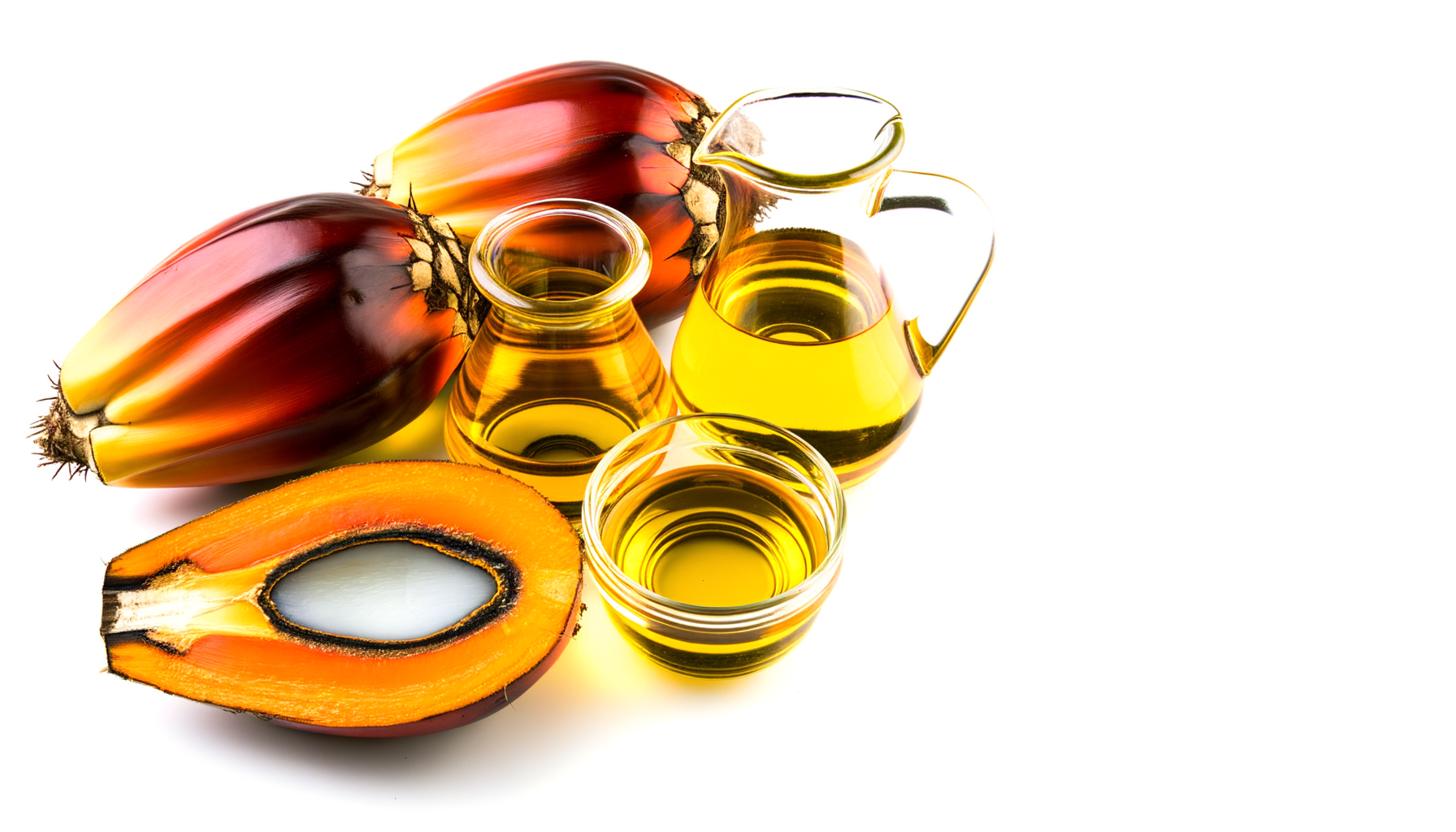
Palm Oil
Elaeis guineensis
Sensory Profile
Tastes
Basic flavor profiles
Aromas
Scent characteristics
Stimuli
Sensory sensations
Textures
Physical properties
About Palm Oil
Palm oil has a rich, slightly nutty flavor with a hint of sweetness. Its unique taste is often described as earthy and robust, making it a versatile ingredient in a variety of dishes. The oil’s vibrant orange-red color is attributed to its high beta-carotene content, which also contributes to its distinct flavor. Widely used in African, Asian, and South American cuisines, palm oil is a staple in many traditional dishes. It is commonly employed for frying, sautéing, and as a base for sauces and stews. In West African cooking, it is essential for dishes like jollof rice and egusi soup. Additionally, palm oil is often used in processed foods, snacks, and baked goods due to its stability at high temperatures and long shelf life. Palm oil is derived from the fruit of the oil palm tree, native to West Africa. The tree thrives in tropical climates and has been cultivated for thousands of years. Today, major producers include Indonesia and Malaysia, which together account for a significant portion of global palm oil production. Palm oil is unique among cooking oils due to its high saturated fat content, which contributes to its stability and resistance to oxidation. It is also rich in vitamins A and E, making it nutritionally beneficial. The oil is available in both refined and unrefined forms; the un
Associated health effects(102)
- Squalene-Mediated Cholesterol Regulation
- Caloric Density
- Beta-Carotene Source
- Antithrombotic Activity
- Heated Oil Oxidative Stress
- Cholesterol/heart disease, inflammation
- Cardiovascular Disease Risk
- Improved Nutrient Absorption
- Heated Oil-Induced Organ Toxicity
- Beta-Carotene-Mediated Vitamin A Support
- Tocotrienol Anti-inflammatory Activity
- Carotenoid-Mediated Vitamin A Provision
- Cardiovascular Protection
- Antioxidant
- Cardiovascular Health
- Dose-Dependent Effects
- Child Growth Support
- Palmitic Acid-Induced Inflammation
- Vitamin E Source
- Provides energy and essential dietary fat
- Saturated Fat and Cholesterol
- Cholesterol Neutrality
- Cardiovascular Risk
- LDL and Total Cholesterol Elevation
- Oxidative Stress and Antioxidant Depletion
- Nutritional Advantages
- Cancer Risk
- Cancer-Preventive
- Repeatedly Heated Oil Toxicity
- Lipid Profile Improvement
- Fat Matrix Cholesterol Neutrality
- Liver Support
- HDL Cholesterol Elevation
- Metabolic Dysfunction
- Refining and micronutrient loss
- Tocotrienol Neuroprotection
- HDL Cholesterol Enhancement
- Heavy Metal Contamination Risk
- Vitamin E Content Support
- Vitamin A Support
- General overconsumption risks
- Antidiabetic Activity
- Limited Micronutrient Density
- High Caloric Density
- Heated Oil-Induced Lipid Peroxidation
- Cholesterol Biosynthesis Suppression
- Tocotrienol Antioxidant Activity
- Palmitic Acid-Linked LDL Cholesterol Elevation
- Immune Modulation
- Carotenoid Source
- Carcinogenesis Risk Elevation
- Fat-Soluble Vitamin Provision
- Caloric Density Support
- Atherosclerosis Prevention
- Plant Sterol-Mediated Cholesterol Reduction
- Replacement of trans fats
- Flavor and Culinary Use
- No Evidence of Toxicity, Heavy Metals, or Contaminants
- Tocotrienol-Mediated Neuroprotection
- Skin Health
- Zero trans fat when unhydrogenated
- High Saturated Fat Content
- Cognitive Decline Symptom Reduction
- Culinary Oil Oxidative Stress
- Monounsaturated Fatty Acid Support
- Obesity and Weight Gain
- Process Contaminant Exposure
- Blood Pressure Elevation
- Blood Lipid Profile Improvement
- Cholesterol Management
- Brain Health
- Trans Fat Replacement
- Palm Oil Oxidative Product Exposure
- Antioxidant Immunity Support
- High-Energy Staple for Calorie Provision
- Glycidyl Ester and 3-MCPD Ester Process Contaminant Exposure
- Vitamin A Deficiency Prevention
- Glycidyl Ester Process Contaminant Exposure
- No cholesterol content
- Provitamin A Carotenoid Support
- Beta-Carotene-Mediated Eye Health Support
- Ischemic Cardioprotection
- Heated Oil Process Contaminant Exposure
- Hybrid Oil Cardioprotective Activity
- Immune Function
- Weight Gain
- Enhanced Nutrient Absorption
- Neuroprotection
- Tocotrienol Brain Protection
- Heart Health
- Carotenoid Bioavailability Enhancement
- Glycidyl Ester and Chloropropanol Process Contaminant Exposure
- Vitamin E Tocotrienol Provision
- Eye Health
- Palm Oil Cardiovascular Neutrality
- Lipid Metabolism Support
- Fat-Soluble Vitamin Absorption Support
- Lipid Peroxidation Reduction
- Vitamin A Source
- Cholesterol Improvement
- Anticancer Potential
- Anti-inflammatory
Nutrition per 100 g(4)
- Energy: 900 kcal
- Protein: 0 g
- Fat: 100 g
- Fiber: 0 g