
Palm Sugar Sensory Map
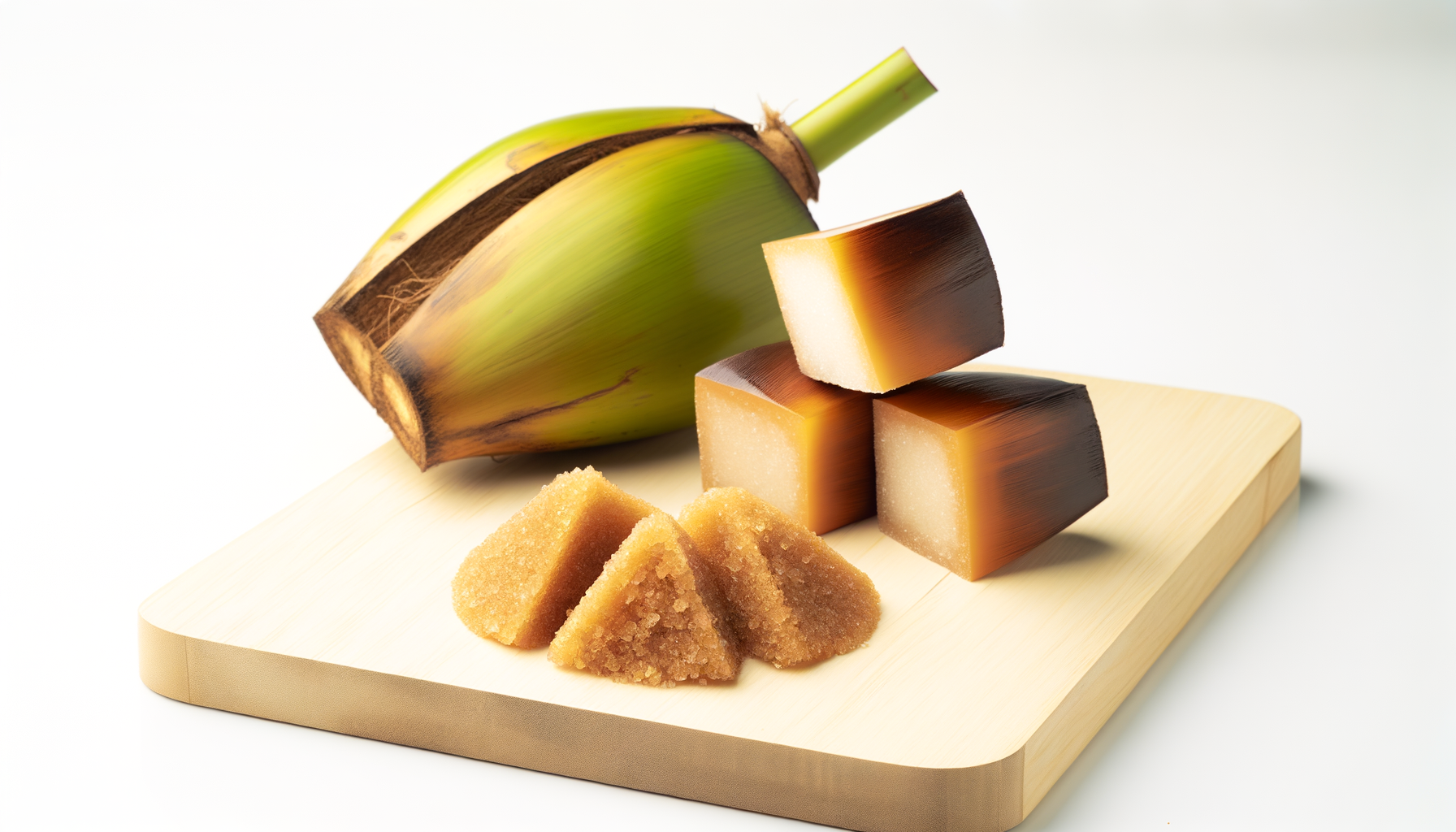
Palm Sugar
Cocos nucifera
Sensory Profile
Tastes
Basic flavor profiles
Aromas
Scent characteristics
Stimuli
Sensory sensations
Textures
Physical properties
About Palm Sugar
Palm sugar offers a rich, caramel-like sweetness with subtle hints of butterscotch and a mild, earthy undertone. Its complex flavor is less cloying than refined white sugar, making it a versatile sweetener that enhances rather than masks other flavors in dishes. Widely used in Southeast Asian cuisine, palm sugar is a staple in desserts, sauces, and marinades. It dissolves easily in liquids, making it ideal for beverages like Thai iced tea or coconut milk-based drinks. In savory dishes, it balances spicy and salty elements, commonly found in curries and stir-fries. Additionally, it can be used in baking as a natural sweetener, imparting a unique flavor profile to cookies and cakes. Palm sugar is derived from the sap of various species of palm trees, predominantly the sugar palm (Arenga pinnata) and the coconut palm (Cocos nucifera). It has been produced for centuries in tropical regions of Southeast Asia, particularly in countries like Indonesia, Thailand, and the Philippines, where traditional methods of harvesting and processing the sap are still practiced. Palm sugar is typically sold in solid blocks, granulated form, or as a syrup. Its color ranges from light golden to deep brown, depending on the processing method and the type of palm used. Unlike refined sugars, palm sugar retains some of the
Associated health effects(46)
- Blood Sugar Spikes
- Limited Nutritional Advantages
- Micronutrient Density
- Chronic Disease Risk
- Antioxidant
- Dose-Dependent Effects
- Cardiovascular Risk
- Nutritional Advantages
- Metabolic Syndrome Protection
- Metabolic Dysfunction
- No Unique Nutritional Advantage
- General overconsumption risks
- Blood Sugar Regulation
- Sugar Content
- All-Cause Mortality Risk Elevation
- Obesity, type 2 diabetes, CVD
- Gout and Metabolic Disorders
- Flavor and Culinary Use
- Anti-obesity Activity
- Iron Content Support
- No Evidence of Toxicity, Heavy Metals, or Contaminants
- At-Risk Populations
- Mineral Content
- Rapid Energy Provision
- Obesity and Weight Gain
- Bone Health
- Caloric Excess
- Lower Glycemic Impact
- Anemia Prevention
- Heart Disease and Diabetes Risk
- Dental Caries Risk
- Antioxidant Immunity Support
- Fructose-Induced Liver Strain
- Weight Management
- Nervous System and Energy Support
- Trace Mineral Content Support
- Potassium
- Tooth Decay
- Weight Gain
- Digestive Prebiotic Support
- Heart Health
- Magnesium
- Type 2 Diabetes Risk
- Digestive Aid
- Digestive Health
- Anticancer Potential
Nutrition per 100 g(4)
- Energy: 370 kcal
- Protein: 0.4 g
- Fat: 0.1 g
- Fiber: 0.5 g