
Pantothenic acid Sensory Map
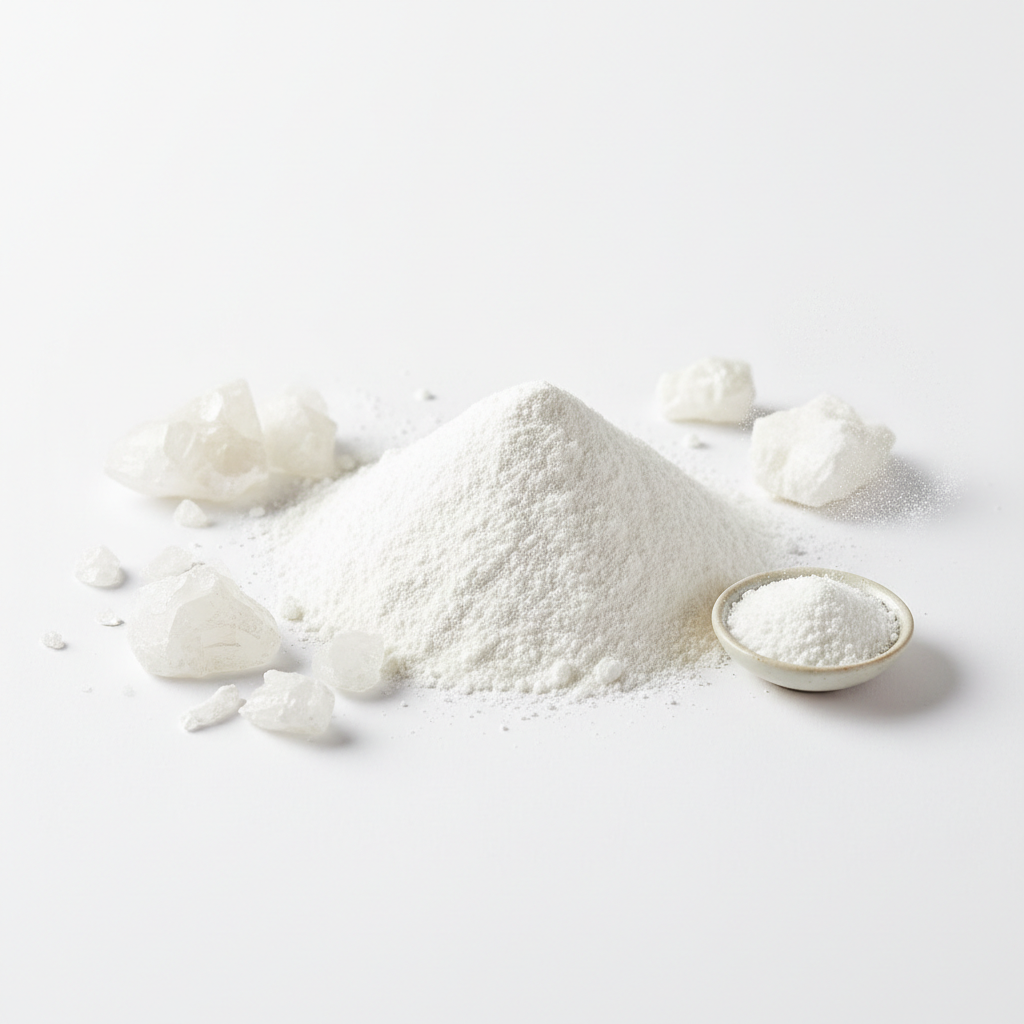
Pantothenic acid
Acidum pantothenicum
Sensory Profile
Tastes
Basic flavor profiles
Aromas
Scent characteristics
Stimuli
Sensory sensations
Textures
Physical properties
About Pantothenic acid
Pantothenic acid (Acidum pantothenicum), while primarily recognized as Vitamin B5, functions in the professional kitchen as a subtle yet vital biochemical catalyst, presenting as a fine, hygroscopic white crystalline powder with a neutral to slightly bitter flavor profile and a faint, vinegar-like acidic aroma. In high-level culinary applications, it is indispensable for the synthesis of Coenzyme A, which facilitates the oxidative decarboxylation of pyruvate—a critical step in the Maillard reaction that deepens the savory complexity of slow-roasted meats like *Canard à l'Orange* or the rich, umami-dense crust of a traditional *Bistecca alla Fiorentina*. Historically sourced from organ meats, whole grains, and legumes across diverse global cuisines, modern culinary grade pantothenic acid is often produced through the chemical synthesis of pantoic acid and beta-alanine to ensure high purity and thermal stability. What distinguishes this ingredient is its technical role in lipid metabolism; when integrated into fermented doughs or aged charcuterie, it supports the enzymatic breakdown of fats into flavorful volatile fatty acids, enhancing the structural integrity of proteins and ensuring a supple, moist crumb in long-fermented sourdoughs.
Associated health effects(8)
- Fatty Acid Metabolism Support
- Deficiency Prevention
- B Vitamin Enrichment
- General nutrient support
- Coenzyme A Synthesis Support
- Acetylation Reaction Facilitation
- Pantothenic Acid Deficiency Prevention
- B-Complex Vitamin Provision
Nutrition per 100 g(4)
- Energy: 89 kcal
- Protein: 1 g
- Fat: 0.5 g
- Fiber: 0 g