
Papalo Sensory Map
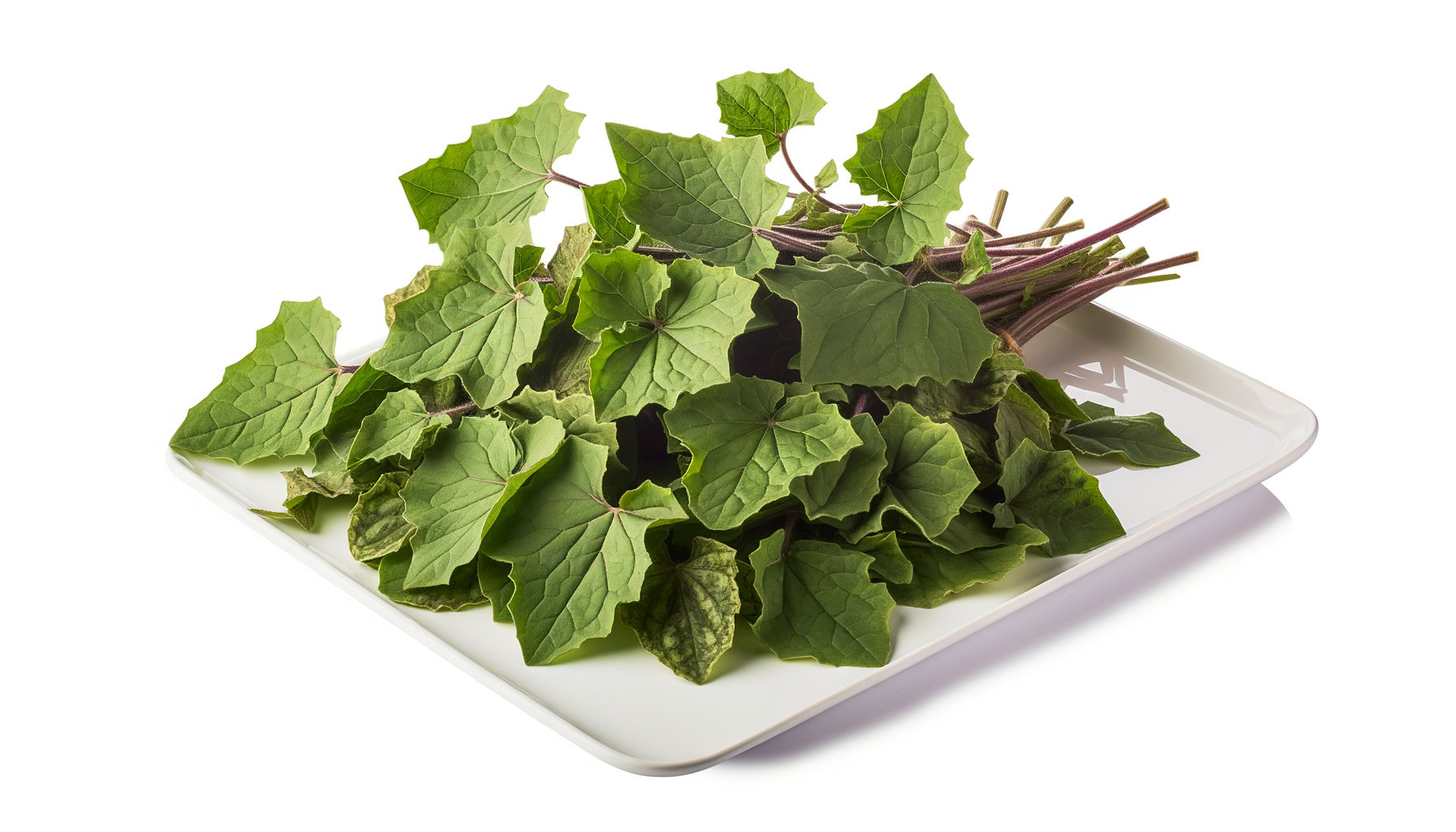
Papalo
Porophyllum ruderale
Sensory Profile
Tastes
Basic flavor profiles
Aromas
Scent characteristics
Stimuli
Sensory sensations
Textures
Physical properties
About Papalo
Papalo (Porophyllum ruderale) is a vibrant herb native to Mexico and Central America, celebrated for its distinctive flavor profile that combines a bold, citrusy brightness with a slightly peppery, almost anise-like undertone. The leaves possess a tender, succulent texture that releases an invigorating aroma reminiscent of fresh cilantro but with a more pronounced earthy depth. This unique sensory experience makes Papalo an essential ingredient in traditional dishes such as Tacos de Pescado, where its fresh notes complement the rich, fatty flavors of grilled fish, enhancing the overall palate through a chemical synergy that balances oils and acids. Additionally, it plays a crucial role in the preparation of Salsas and Guacamoles, where its aromatic qualities elevate the dish's freshness and complexity, providing a refreshing contrast to the creamy avocado and the acidity of lime. Originating from the warm climates of Mexico, Papalo holds cultural significance in various regional cuisines, often used in traditional markets and street food, where it is harvested fresh to maintain its vibrant flavor. The herb is typically cultivated in well-drained soils, often grown alongside other culinary staples, and is best used fresh due to its volatile oils, which diminish significantly upon drying. What sets Papalo apart is its unique chemical composition; it contains compounds that can enhance the perception of sweetness in dishes, making it an excellent pairing for spicy or savory ingredients. This herb's ability to elevate flavors without overwhelming them, combined with its tender texture, makes it a prized addition to both traditional and contemporary culinary applications.
Associated health effects(15)
- Safety and Toxicity
- Blood Pressure Support
- Antioxidant
- Analgesic Activity
- Blood Pressure Reduction
- Nephroprotection
- Nutritional Advantages
- Liver Support
- Immune Booster
- Dietary Fiber
- Antibacterial
- Emmenagogue Activity
- Laxative Activity
- Digestive Aid
- Anti-inflammatory
Nutrition per 100 g(4)
- Energy: 24 kcal
- Protein: 2 g
- Fat: 0.9 g
- Fiber: 2 g