
Papaya Sensory Map
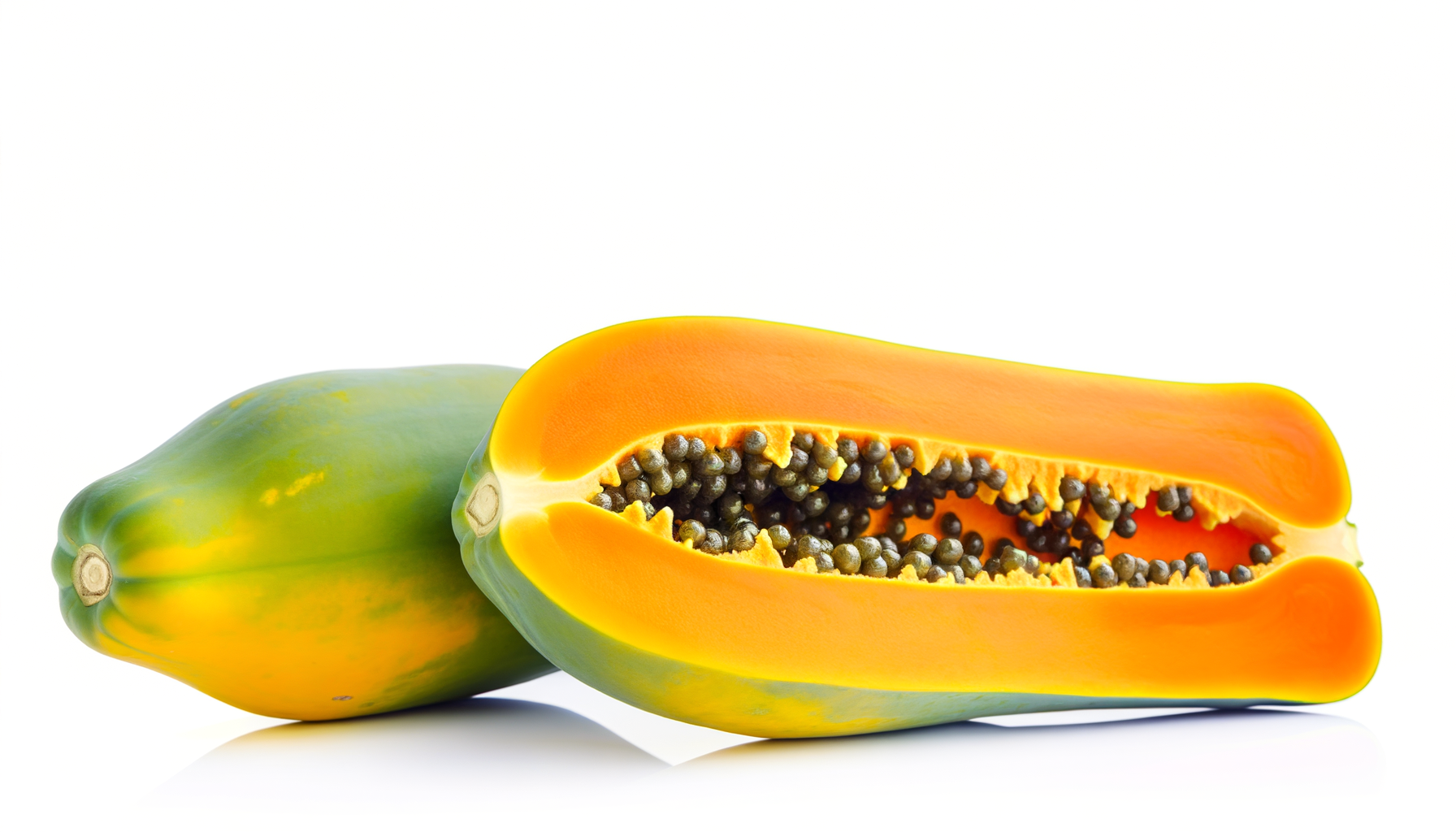
Papaya
Carica papaya
Sensory Profile
Tastes
Basic flavor profiles
Aromas
Scent characteristics
Stimuli
Sensory sensations
Textures
Physical properties
About Papaya
Papaya boasts a sweet, tropical flavor with a hint of muskiness. Its flesh is juicy and soft, offering a delicate balance between sweetness and a mild, slightly tangy undertone. The flavor intensifies as the fruit ripens, making it a versatile ingredient in both sweet and savory dishes. Papaya is commonly enjoyed fresh, often in fruit salads, smoothies, and desserts. It can also be used in savory dishes, such as salsas and salads, where its sweetness complements spicy elements. The unripe green papaya is a staple in Southeast Asian cuisine, particularly in dishes like Thai green papaya salad (Som Tum), where it adds a crunchy texture and absorbs flavors well. Additionally, papaya is utilized in marinades and tenderizing sauces due to its natural enzyme, papain, which breaks down proteins. Native to the tropical regions of the Americas, papaya is believed to have originated in southern Mexico and Central America. It has since spread to tropical and subtropical regions worldwide, thriving in warm climates. Today, it is cultivated in various countries, including India, Indonesia, and the Philippines, making it a global fruit. Papaya is characterized by its vibrant orange to yellow flesh and a smooth, green to yellow skin when ripe. The fruit contains numerous black seeds, which are edible and have a peppery
Associated health effects(35)
- Vitamin C Source
- Fermentation-Derived Antioxidant Activity
- Lycopene-Mediated Anticancer Activity
- Fermentation-Enhanced Anti-inflammatory Activity
- Beta-Carotene Source
- Vitamin C Content Support
- Fermented Fruit Antioxidant Activity
- Beta-Carotene-Mediated Vitamin A Support
- Photoprotection
- Cardiovascular Protection
- Antioxidant
- Allergic Reactions
- Blood Pressure Reduction
- Folate Source
- Liver Support
- Blood Cholesterol Reduction
- Papain-Mediated Protein Digestibility Enhancement
- Latex-Fruit Syndrome
- Immune Booster
- Anti-obesity Activity
- Mineral Content
- Hepatoprotection
- Polysaccharide Immune Modulation
- Dietary Fiber
- Skin Health
- Skin health and anti-aging
- Potassium
- Fiber Content
- Neuroprotection
- Heart Health
- Digestive Aid
- Cholesterol Improvement
- Papain-Mediated Digestive Enzyme Activity
- Anticancer Potential
- Anti-inflammatory
Nutrition per 100 g(4)
- Energy: 43 kcal
- Protein: 0.5 g
- Fat: 0.4 g
- Fiber: 1.7 g