
Parsley Sensory Map
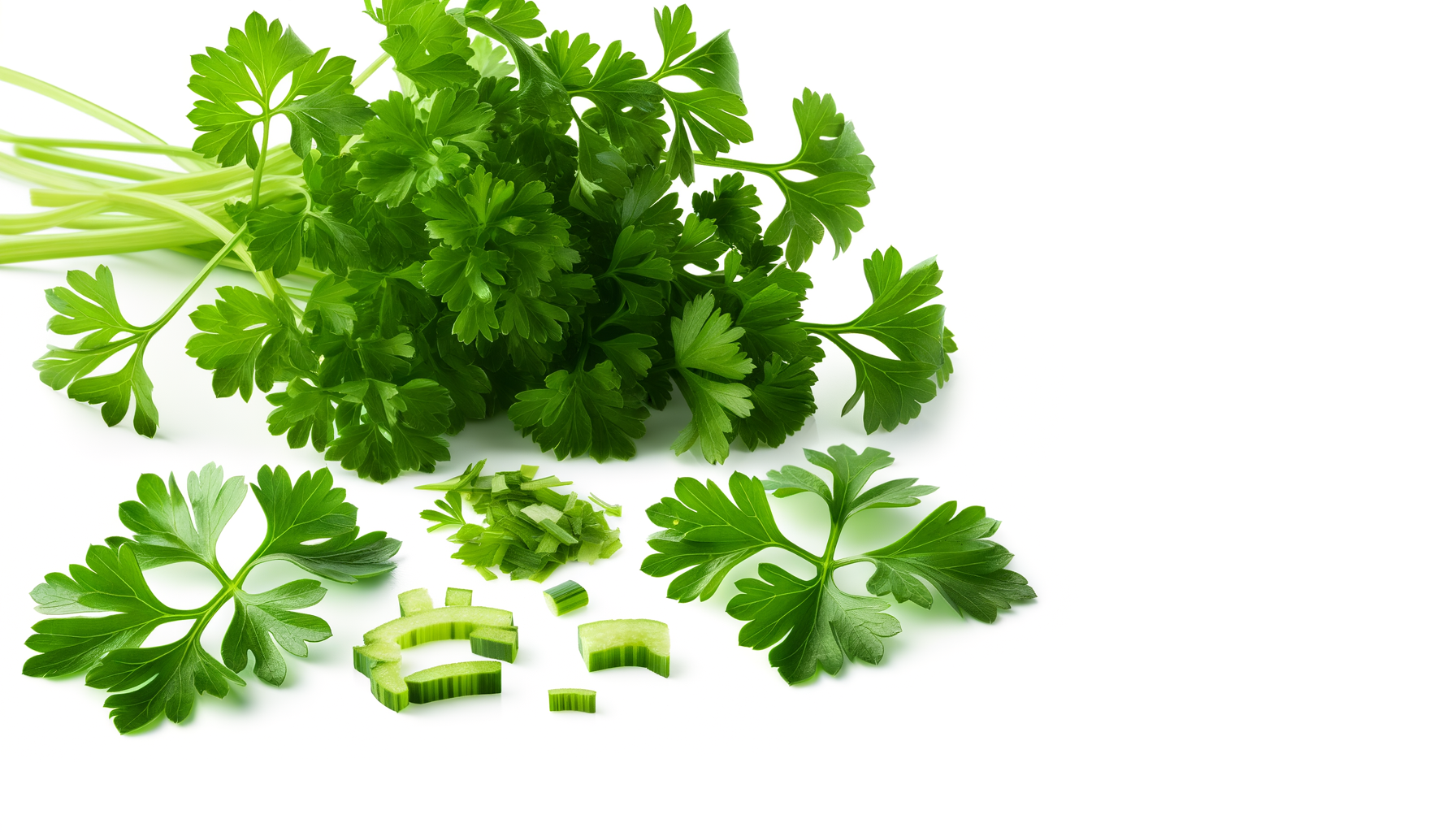
Parsley
Petroselinum crispum
Sensory Profile
Tastes
Basic flavor profiles
Aromas
Scent characteristics
Stimuli
Sensory sensations
Textures
Physical properties
About Parsley
Parsley offers a fresh, bright flavor with a mild, slightly peppery undertone. Its taste is often described as clean and herbaceous, making it a versatile herb that complements a wide range of dishes without overpowering them. Widely used in various cuisines, parsley is a staple in Mediterranean, Middle Eastern, and European cooking. It is commonly employed as a garnish, adding a pop of color and freshness to soups, salads, and entrees. Parsley is also integral to sauces like chimichurri and tabbouleh, and it can be blended into pestos or used to enhance the flavor of roasted vegetables and meats. Native to the Mediterranean region, parsley has been cultivated since antiquity. It was revered by the ancient Greeks and Romans, who used it both as a culinary herb and for medicinal purposes. Today, it is grown worldwide, thriving in temperate climates. Parsley is characterized by its vibrant green, serrated leaves, which can be either flat (Italian parsley) or curly (French parsley). The plant is biennial, typically harvested in its first year for culinary use. Rich in vitamins A, C, and K, parsley not only enhances flavor but also contributes nutritional benefits, making it a valuable addition to a balanced diet. Its aromatic oils are released when chopped, intensifying its flavor
Associated health effects(63)
- Safety and Toxicity
- Vitamin C Source
- Blood Pressure Support
- Micronutrient Density
- Toxicity at high doses
- Anti-ulcer Activity
- Antithrombotic Activity
- Drug Interactions
- Apigenin-Mediated Cancer Cell Suppression
- Cardiovascular Protection
- Antioxidant
- Diabetes Management
- Allergic Reactions
- Cardiovascular Health
- Allergy Risk
- Muscle Cramp Reduction
- Kidney Protection
- Blood Pressure Reduction
- Folate Source
- Nephroprotection
- Nutritional Advantages
- Liver Toxicity
- Cancer-Preventive
- Antifungal
- Myricetin-Mediated Insulin Sensitivity Enhancement
- Blood Sugar Support
- Vitamin K Source
- Vitamin K Interaction
- Renal Toxicity
- Oxalate Content
- Gastrointestinal Mucosal Protection
- Antidiabetic Activity
- Blood Sugar Regulation
- Oxalate Nephrolithiasis Risk
- Immune Booster
- Immune Modulation
- Vision Protection
- Chemotherapy Drug Interaction
- Flavor and Culinary Use
- Kidney Support
- Hepatoprotection
- Interaction with Medications
- Bone Health
- Anemia Prevention
- Diuretic Activity
- Gastroprotection
- Muscle Cramp Relief
- Myricetin-Mediated Antioxidant Activity
- Antibacterial
- Potassium
- Emmenagogue Activity
- Apiol Toxicity
- Homocysteine Reduction
- Osteoporosis Prevention
- Laxative Activity
- Neuroprotection
- Magnesium
- Eye Health
- Lipid Metabolism Support
- Digestive Aid
- Vitamin A Source
- Anticancer Potential
- Anti-inflammatory
Nutrition per 100 g(4)
- Energy: 36 kcal
- Protein: 3 g
- Fat: 0.8 g
- Fiber: 3.3 g